The United States is renewing its efforts to ease escalating tensions between Israel and Lebanon as border clashes persist. This new proposal emerges at a pivotal time, with escalating military actions despite prior attempts to calm the situation. Officials are optimistic that this initiative can prevent further escalation and foster a more secure environment.
Reports indicate that this American plan emphasizes a gradual cessation of hostilities. It suggests that Hezbollah cease its attacks against Israel, while Israel refrains from extending military operations into Beirut. Supporters argue that these measures might create opportunities for wider negotiations and reduce the likelihood of a more extensive conflict.
This initiative underscores the increasing concern among global leaders regarding the Israel-Lebanon border situation. Previous ceasefire agreements have momentarily reduced tensions, but ongoing violations and mutual blame have eroded trust between the parties, complicating efforts for a lasting resolution.
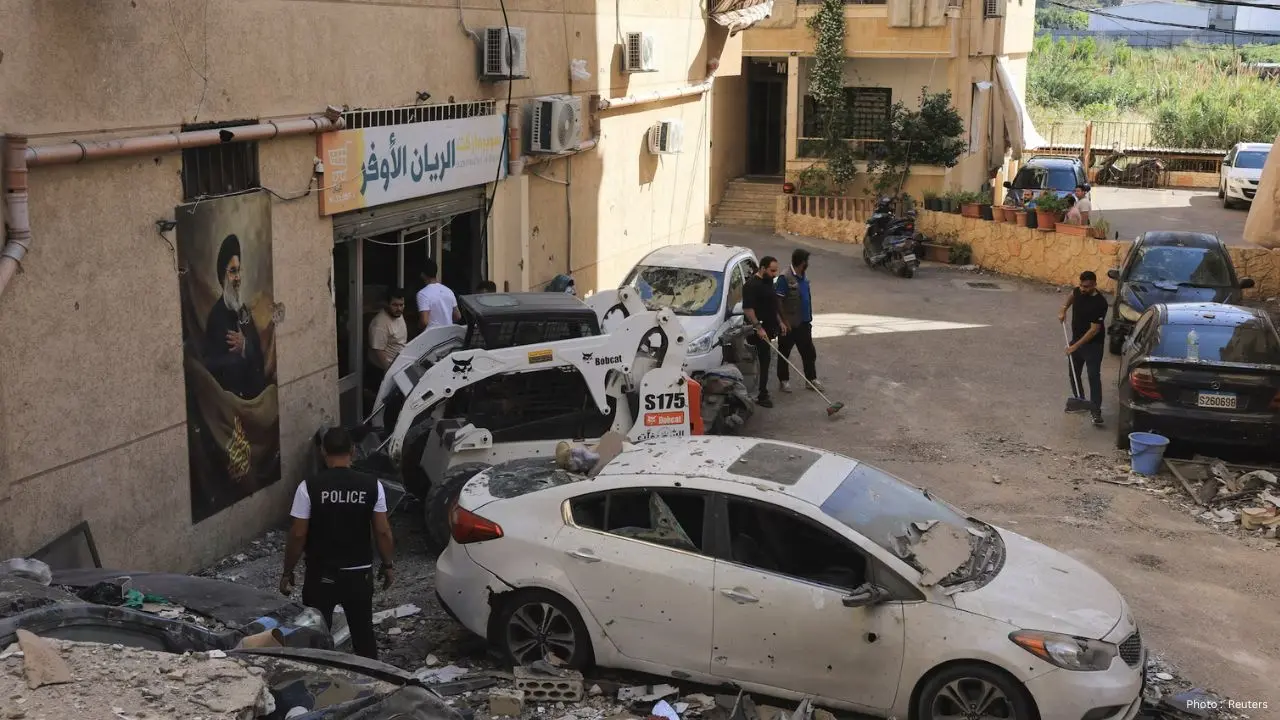
Recent military actions have intensified the urgency for diplomatic solutions. Israeli forces have reportedly intensified their operations in southern Lebanon following rocket attacks targeting northern Israeli towns. Security challenges have led to significant disruptions in daily life across both borders, heightening risks for residents.
For Washington, averting a broader regional confrontation is crucial. Continuous skirmishes risk involving more entities in the conflict, potentially escalating into a significant crisis. Policymakers believe that reducing tensions now could avert severe impacts on both regional stability and international security.
Lebanese officials have expressed their willingness for diplomatic talks, though substantial disagreements linger. Leaders in Beirut contend that military actions must cease before any meaningful progress can occur. These divergent perspectives underline the complexities of negotiations and the challenge of rebuilding trust after extended conflicts.
The humanitarian repercussions of the violence are becoming increasingly apparent. Affected communities face displacement, infrastructure destruction, and economic difficulties. Families are left grappling with uncertainty after being forced from their homes, while local businesses and public services struggle to provide under harsh conditions.
Israeli authorities emphasize their commitment to civilian protection. Government representatives assert that security operations are a necessary response to attacks on towns near the border. This viewpoint continues to influence Israel's military stance.
The situation has garnered global attention due to potential economic ramifications. Rising tensions in the region can ripple through energy markets and international trade channels. Investors and decision-makers are acutely aware that ongoing instability poses risks to economic confidence worldwide.
Many governments advocate for diplomatic efforts to preempt a broader conflict, encouraging dialogue and practical measures to reduce violence. Although the path to negotiations is fraught with difficulties, there is a consensus that sustained communication is vital for progress.
This proposed ceasefire may not address all the underlying conflicts between Israel and Lebanon, yet it signifies a critical step towards de-escalation. Its success hinges on cooperation, responsible implementation, and a genuine commitment from all parties to reduce tensions.
The upcoming weeks are crucial and could significantly shape the conflict's trajectory. Choices made by political leaders, military officials, and international mediators will determine whether the region advances toward stability or plunges into further uncertainty. For those living at the border, there remains hope that diplomacy will triumph where violence has not, paving the way to a peaceful resolution.