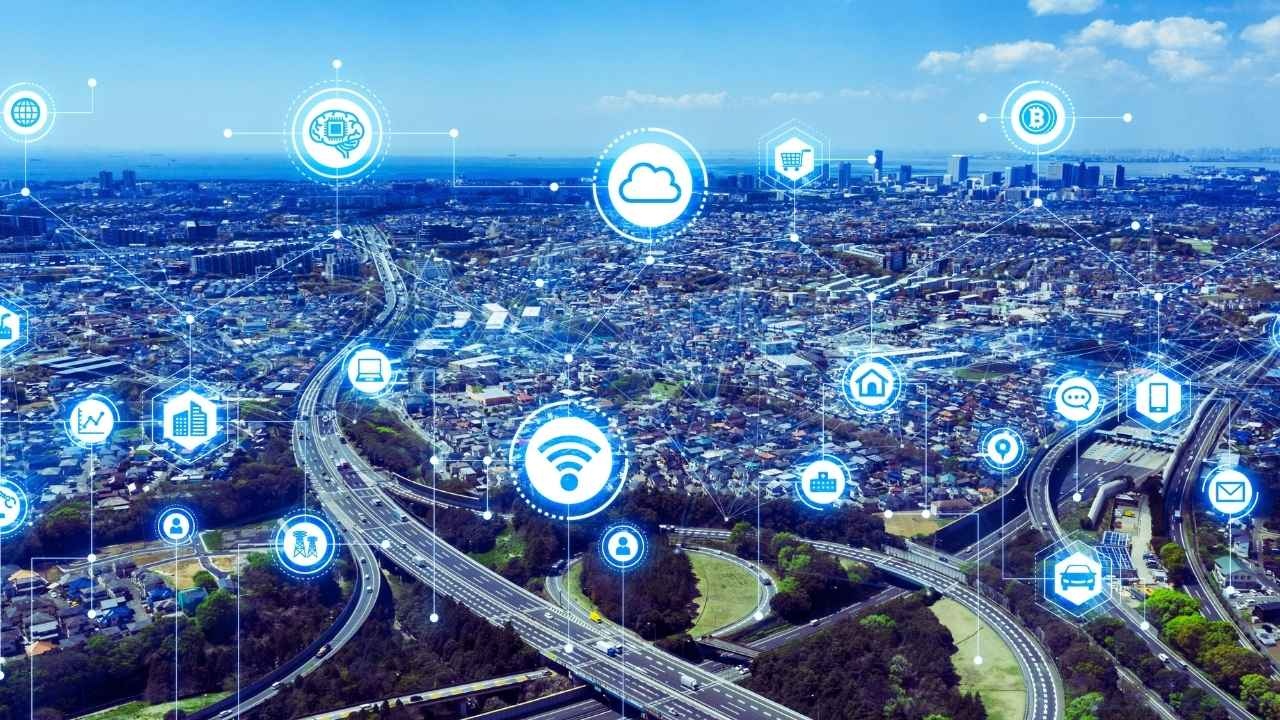
Urban landscapes in India thrive on movement — from the lively markets and morning commutes to late-night chai runs. However, soaring populations and the rise in vehicle ownership have placed immense strain on traffic systems, leaving many to grapple with notorious congestion.
What was once a bustling rhythm has turned into a cacophony of honking horns and enduring delays.
Yet, a technological evolution is on the horizon.
Recognizing the necessity for smart solutions rather than treating it as an indulgence, Indian cities are increasingly turning to innovative technologies like AI, IoT monitoring, and adaptive traffic lights. These advancements transition from traditional, reactive traffic control to proactive and predictive management systems that adjust in real-time, learning continually to optimize mobility.
The dawn of intelligent transportation is here, reshaping daily commutes, enhancing urban living, and setting the stage for India’s future functionalities.
Importance of Smart Traffic Management
Urban Sprawl & Vehicle Surge
As Indian metros and growing cities expand, an increase in car ownership has surged hand-in-hand with economic growth. Road development, however, has not kept pace, leading to chronic congestion challenges.
Time & Economic Impact
Time wasted in traffic equates to tiredness, economic slowdown, and diminishing productivity, with the stress of commuting affecting mental well-being.
Environmental Concerns
Idle engines not only contribute to elevated pollution levels but also intensify urban heat. Smarter traffic systems help curb unnecessary idling and lower emissions.
Enhanced Road Safety
Data-driven traffic systems proactively maintain road safety by monitoring for speed violations and managing traffic effectively during emergencies.
Future-Ready Urban Spaces
Cities are gearing up for electric vehicles, autonomous technologies, and interconnected transport options. AI stands as the backbone of this robust future.
AI's Impact on Traffic Management in India
Smart Adaptive Traffic Management
Forget about fixed timers. These intelligent signals:
-
Adjust timings based on real-time traffic conditions
-
Give priority to emergency services
-
Balance traffic among main and alternate routes
-
Synchronize across interconnected junctions
The outcome? Smoother transit and reduced noise from honking.
AI-Integrated Traffic Surveillance
Modern cameras are smarter than ever; they can:
-
Identify speeding vehicles
-
Spot wrong-way drivers
-
Log violations at traffic signals
-
Document unusual behaviors on the road
-
Facilitate automated ticketing
-
Monitor pedestrian traffic
Technology enhances enforcement, filling gaps where manual policing may falter.
Predictive Traffic Analysis
AI analytics track traffic trends to forecast:
-
Rush hour traffic
-
Increased weekend congestion
-
Rush during holidays and events
-
Weather-triggered delays
-
Traffic diversions due to construction
This allows cities to plan proactively, rather than respond reactively.
Emergency Traffic Solutions
Ambulances and fire trucks are granted automatic pathway clearance, ensuring timely responses that could save lives.
Integrated Public Transit Innovations
The transport ecosystem—buses, metros, taxis—integrates real-time data for:
The outcome? A public transportation system that is more intelligent, efficient, and reliable.
The Technology Powering Smart Traffic
IoT Monitoring Devices
Placed strategically along streets to gather data on:
-
Traffic volume
-
Foot traffic
-
Speed monitoring
AI Processing Algorithms
Assess live surveillance input for essential insights, like rule violations or traffic jams.
Cloud-Based Data Systems
Facilitate storage and analysis of extensive traffic datasets to comprehend long-term trends.
GPS and Mobile Connections
Navigation applications, delivery services, and rideshare platforms contribute live mobility insights to form a comprehensive urban intelligence framework.
Command and Control Centers
Central hubs oversee real-time traffic conditions, ensuring effective emergency responses and signal synchronization.
Smart Parking Solutions: Alleviating Urban Stress
Intelligent Parking Technologies
-
Digital mapping of parking spaces
-
App services for space reservations
-
Automated payment systems
-
Cameras controlling vehicle entry and exit
Fewer loops around the block lead to reduced emissions and enhanced user satisfaction.
Enforcing Parking Discipline
Geofencing solutions prevent unauthorized parking and enhance pedestrian pathways.
Enhanced Safety for Pedestrians & Cyclists
AI-Managed Crosswalks
Signal timings adapt based on pedestrian flow.
Cycle Lane Monitoring Systems
Establish safe pathways, preventing vehicle interference.
Smart School Zones
Speed alerts and monitoring near schools protect children.
Encounters with Real-World Situations
Traffic Management During Storms
AI systems can redirect vehicles and issue emergency alerts.
Event Preparedness
Predictive models support authorities in preemptive planning.
Pollution Mitigation Strategies
During smog episodes, systems can adjust traffic patterns to minimize emissions.
Implications of Smart Urban Mobility
Reduced Commute Times
Daily gridlock could diminish from 45 minutes to 20 minutes of smooth travel.
Lower Stress Levels
Predictable travel enhances overall well-being.
Improved Air Quality
Less congestion translates into healthier urban environments.
Increased Road Safety
Data-driven governance cuts down accidents and reckless behaviors.
More Walking & Cycling
Safe, accessible infrastructure promotes healthier commuting options.
Challenges of AI-Driven Urban Infrastructure
Initial Investment Costs
Implementing technology necessitates substantial financial commitment.
Privacy Issues
Monitoring setups have to adhere to stringent privacy standards.
Integration Challenges
Merging legacy systems with modern technology poses difficulties.
Bridging the Digital Gap
Systems must be user-friendly to ensure widespread accessibility and usability.
Encouraging Behavioral Compliance
Effective technology pivot relies heavily on civic cooperation and adherence to regulations.
The Path Forward: AI in India’s Mobility Landscape
Road Readiness for Autonomous Vehicles
Cities will implement smart lanes, digital signage, and AI communication pathways.
Integration of Smart Traffic and EV Systems
Creating charging stations and energy distribution systems with balanced grid loads.
Utilizing Drones for Traffic Oversight
Aerial monitoring ensures more effective traffic management.
AI-Regulated Highway Corridors
Enhancing logistics and freight route management.
All-In-One Smart Mobility Dashboard
A centralized platform showcasing:
-
Traffic data
-
Parking availability
-
Metro schedules
-
Bus tracking
-
Pollution metrics
-
Weather updates
A unified approach to urban mobility.
Final Thoughts
India’s urban future will not merely expand but evolve to be smarter, quicker, cleaner, and more humane. The integration of AI into traffic systems heralds a shift from chaotic commuting to synchronized urban movement. The clamor of honking horns will quieten, longer lines will diminish, and the urban experience will become a source of excitement rather than a burden.
Smart mobility signifies not just technical improvements; it directly impacts quality of life, reducing commute times, minimizing stress, enhancing air quality, and ensuring safer streets.
We’re just beginning this transformative journey towards intelligent urban living.
Disclaimer
This article aims to provide a general overview of advancements in technology and mobility. Local smart-city projects and their timelines may differ; citizens and planners should consult official resources for the latest updates.