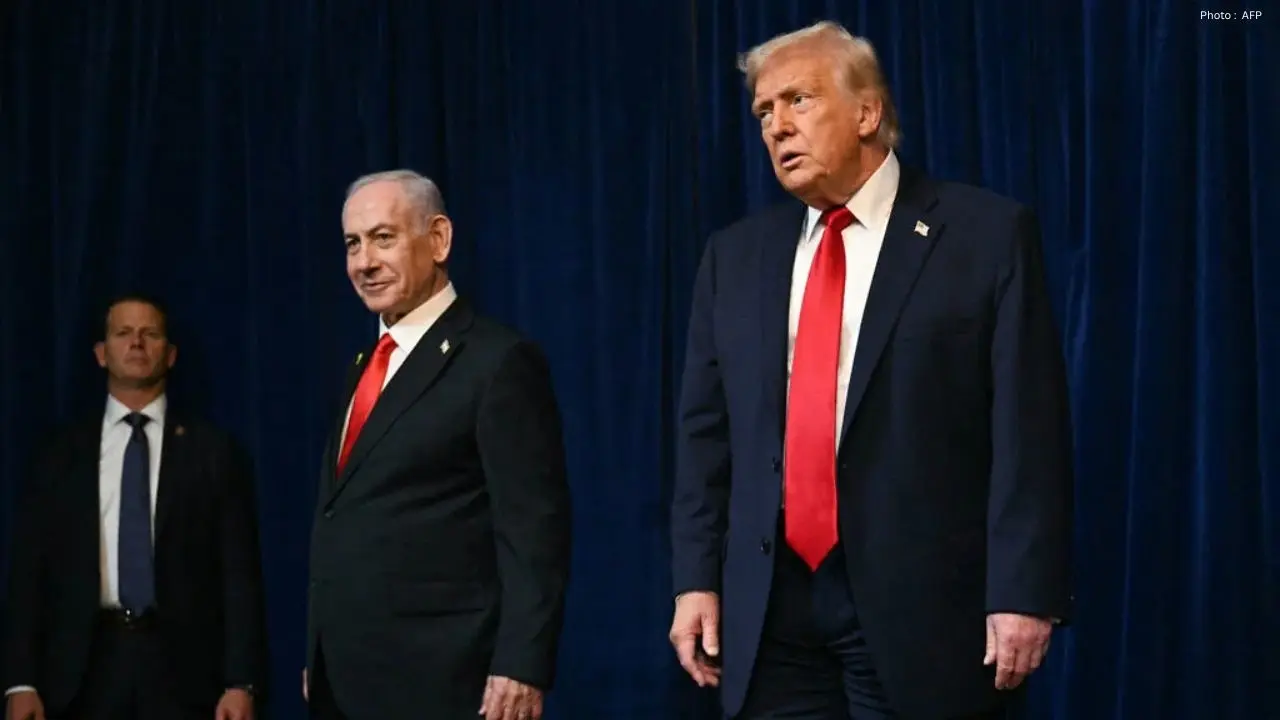
The current dynamics in the Iran conflict have sparked renewed debate regarding Israel's role as diplomatic talks between Washington and Tehran intensify. The shifting political landscape prompts expert discussions on the potential repercussions these agreements might have on security alignments and overall stability in the Middle East.
Historically, the United States and Israel have shared a robust partnership, particularly concerning Iran’s nuclear ambitions and regional authority. Their collaboration entailed coordinated diplomacy, intelligence sharing, and shared concerns about Tehran's expanding influence.
However, recent advancements in diplomatic negotiations have complicated the scenario. As American and Iranian officials continue their discussions, there has been an uptick in debates within Israel over how emerging agreements could potentially alter the regional balance of power and impact long-term security strategies.
Israeli leaders have consistently voiced that Iran's nuclear program represents a paramount national security threat. Across different administrations, there have been strong warnings that any deal allowing Iran to maintain advanced nuclear capabilities might pose significant risks in the future.
Simultaneously, Washington seems increasingly motivated to nip potential military escalations in the bud. Advocates for dialogue contend that ongoing negotiations could pave the way for reduced tensions, steering the region clear of another significant conflict.
Political analysts argue that this moment underscores the intricate nature of global alliances where allies may share long-term objectives while differing in their diplomatic approaches and strategies.
Discussions surrounding sanctions, uranium enrichment, and security assurances have become focal points within Israeli political discourse. Opposition members, security analysts, and commentators are actively debating how the government might respond should diplomatic relations between Washington and Tehran advance swiftly.
Meanwhile, Iranian officials continue to assert that their nuclear endeavors are geared towards peaceful purposes, such as energy generation, scientific research, and civil development. However, Western nations remain vigilant concerning enrichment levels and compliance with oversight measures.
Regional players are also closely watching these negotiations, as the results may greatly influence defense alignments, economic relations, and political ties throughout the Middle East. Countries in the Gulf, energy sectors, and international investors are particularly sensitive to developments stemming from these discussions.
The latest diplomatic initiatives follow a lengthy history of confrontation, sanctions, disputes, and military incidents involving various Middle Eastern stakeholders. Past attempts to establish broader agreements have frequently faltered due to political rifts and a lack of trust.
Within Israel, discussions have taken a political turn, with differing factions deliberating on how to safeguard national security amidst a backdrop of evolving diplomacy. Some advocate for more autonomous actions, whereas others prioritize continued collaboration with Washington despite differences in negotiation methods.
Experts note that any future agreement with Tehran could significantly alter military strategies, alliance frameworks, and geopolitical considerations across the region. Enhanced diplomatic interactions may furthermore impact collaboration among regional entities concerning defense, trade, and energy security.
Economic factors are also entering the broader dialogue. A reduction in tensions could enhance investment opportunities, stabilize shipping routes, and boost confidence in energy markets, while prolonged uncertainty may continue to hinder global economic conditions.
This evolving landscape reveals how swiftly political climates can shift in the Middle East. Diplomatic conversations, once deemed improbable, are now shaping strategic discussions across the region and urging governments to reconsider their future policy choices.
Whether these ongoing negotiations will culminate in a long-term agreement remains an open question. Nevertheless, the latest developments have undoubtedly intensified international scrutiny on regional diplomacy and the fluctuating power dynamics among Washington, Tehran, and Jerusalem.