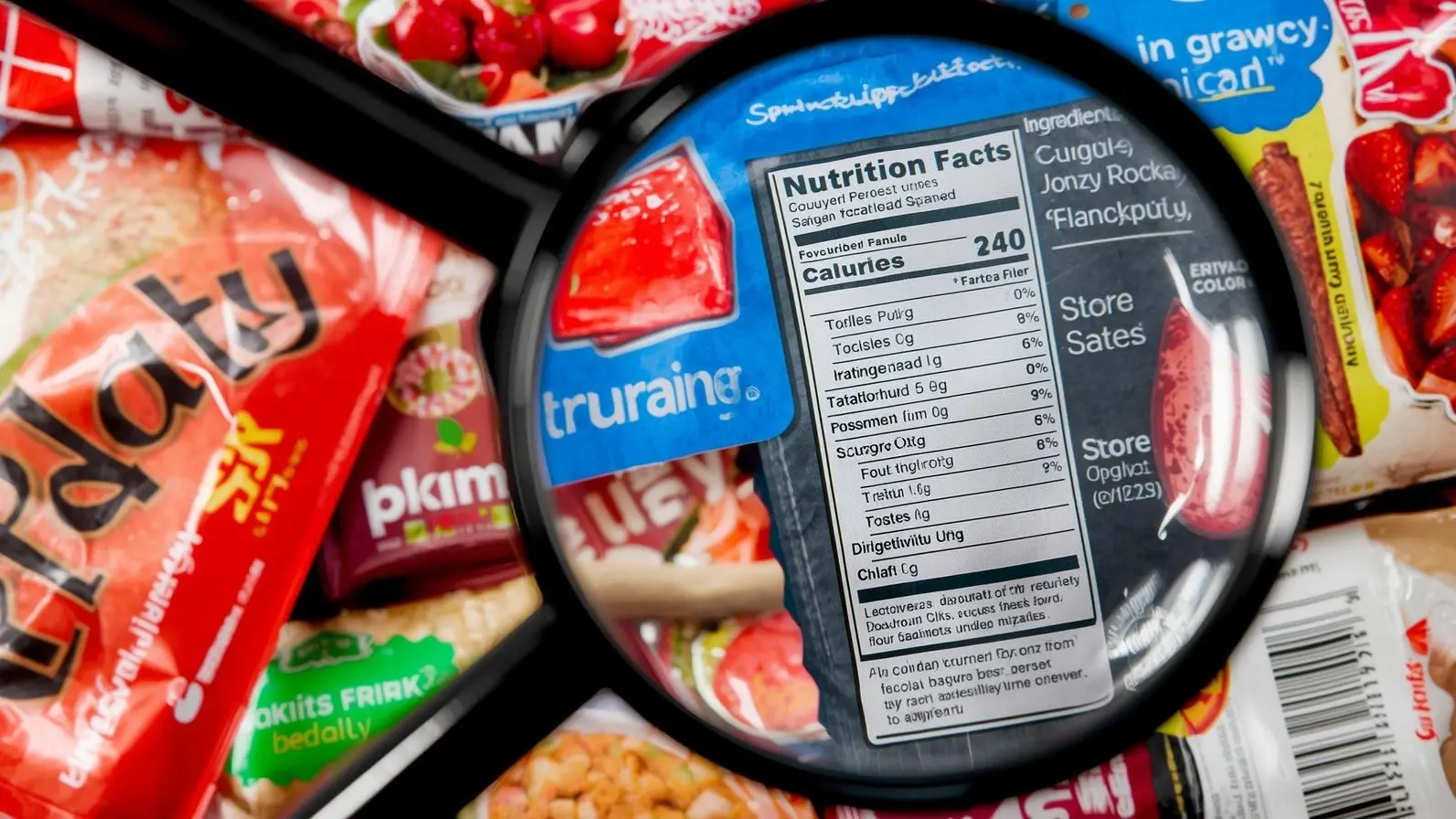
Understanding Misleading Labels on “Healthy” Packaged Foods
Enter any grocery store today, and you'll encounter an array of products boasting labels like natural, low-fat, organic, and immunity-boosting. These marketing buzzwords dominate the aisles, steering consumers' choices. By 2026, these packaged foods have been designed to create a health halo, suggesting benefits that may not be present.
This article dissects the realities of “healthy” packaged foods, discussing the tactics behind marketing, the significance of ingredients, and strategies for making informed dietary decisions.
How Packaged Foods Appear Healthier
Food manufacturers have a keen understanding of consumer desires for convenience without compromising health. As busy lives demand quicker meal solutions, companies adapt product designs to enhance their perceived nutritional value.
Typical elements that contribute to the appeal of packaged foods include:
-
Visually appealing packaging with green and minimalist designs
-
Terms like “clean,” “natural,” and “wholesome”
-
Endorsements by celebrities or influencers
-
Claims of added vitamins or protein
-
Comparisons to less nutritious options
However, the perception of health doesn’t equate to actual health.
Marketing Terms vs. Real Nutrition
There lacks a standard definition for “healthy” in the context of packaged foods, and many claims are legally ambiguous.
Commonly Misleading Claims
-
Natural does not equate to unprocessed
-
No added sugar doesn’t imply sugar-free
-
Low fat may actually mean high sugar content
-
High protein doesn’t guarantee balanced nutrition
-
Organic ingredients don’t make the product inherently healthy
These phrases are crafted to shape perceptions rather than to inform.
Ingredient Lists Tell the True Story
The ingredient list is the most revealing aspect of a food package, yet it often receives little attention.
Decoding Ingredient Lists
-
Ingredients are often arranged by weight
-
The top three ingredients typically account for the bulk of the product
-
Be wary—sugar may be listed under various names
If sugar, refined flour, or oils are prominent in the list, the product is likely nutritionally inadequate.
The Issue of Hidden Sugars in “Healthy” Options
Many products marketed as healthy surprisingly contain high levels of sugar.
Examples include:
-
Breakfast cereals
-
Granola bars
-
Protein bars
-
Flavored yogurts
-
Fruit juices and smoothies
Manufacturers might use names such as glucose syrup, cane juice, or rice syrup to disguise sugar content. Remember, your body doesn’t discriminate—sugar is sugar.
The Low-Fat Myth
The low-fat product trend emerged from the misconception that fat is the root of weight gain.
The Reality of Low-Fat Products
-
Fat is often removed
-
Sugar or additives are replaced for flavor
-
Caloric content may stay the same or even rise
Low-fat snacks can spike blood sugar and lead to increased hunger, making them more detrimental to metabolic health.
Recognizing Ultra-Processed Foods
Many so-called “healthy” foods fall within the category of ultra-processed products, despite added nutrients.
Identifying Ultra-Processed Products
-
Extended ingredient lists
-
Presence of artificial flavors or colors
-
Usage of emulsifiers and stabilizers
-
Inclusion of modified starches
-
Preservatives to ensure shelf longevity
Ultra-processed items have been linked to health problems such as inflammation and imbalanced gut bacteria, even when marketed as beneficial.
The Protein Buzz: More Isn’t Always Best
Protein has been elevated as a health staple in recent years.
Understanding Protein Content
-
Some protein bars may have more sugars than protein
-
Protein powders can contain artificial additives
-
Excess protein does not guarantee improved health
The quality of protein, along with its balance with fibers and fats, is crucial.
Fortification: The Nutrition Trade-Off
Many processed foods strip natural nutrients during the manufacturing process and later reintroduce synthetic vitamins.
Why This is Deceptive
-
Synthetic nutrients often have lower absorption rates
-
Fortified products do not compensate for poor quality
-
Whole foods provide nutrients in their natural forms
A sugar-laden cereal with added vitamins remains just that: sugary.
Serving Size Distortions
Another tactic used is unrealistic serving sizes.
How This Misrepresents Nutrition
-
Nutrition figures appear lower per serving
-
Actual consumption often exceeds these amounts
-
Caloric, sugar, and salt intakes can quickly accumulate
It’s wise to check values per 100g rather than just by serving.
The Misleading Nature of “Clean Labels”
Even brands that remove artificial additives may utilize refined ingredients.
Products claiming clean labels may still be:
Health Halos and Their Psychological Impact
When consumers view a food as healthy, they tend to:
Who Profits from “Healthy” Packaged Foods?
In reality, the main beneficiaries of these products include:
-
Food companies looking to enhance profit margins
-
Busy consumers seeking quick meal solutions
-
Brands driven by marketing strategies
These foods rarely foster long-term health when consumed regularly.
Identifying Acceptable Packaged Foods
Not every packaged food is detrimental.
Suitable choices may involve:
-
Plain nuts and seeds
-
Unsweetened oatmeal
-
Single-ingredient products
-
Frozen vegetables without extras
-
Ingredients with minimal processing
The focus should be on transparency and minimal processing.
Smart Decision-Making Without Overthinking
Practical Tips
-
Opt for products with shorter ingredient lists
-
Avoid those with various sugar derivatives
-
Select fiber-rich alternatives
-
Disregard front-label promotions
-
Balance packaged foods with home-cooked meals
Striving for perfection isn’t necessary—awareness is key.
The Greater Perspective: Convenience vs Nutritional Integrity
Packaged foods prioritize longevity over health. The more a food is altered, the more it diverges from its original form. Heavy reliance on labeled “healthy” options fosters a false sense of security, potentially jeopardizing long-term wellness.
The Bottom Line on “Healthy” Packaged Foods
The reality is stark yet clear: most packaged foods aim to sell rather than nourish. Health claims often serve as marketing tactics with no nutritional guarantees. Authentic health emerges from whole foods, consistent habits, and understanding product labels—not from eye-catching packaging.
Being informed empowers consumers to make smarter choices and serves as the ultimate enhancement to health.
Disclaimer
This article is strictly for informational and educational use and doesn't offer medical or dietary counsel. Nutritional requirements differ based on individual factors like age, health status, and lifestyle. Always consult with a qualified healthcare professional before making significant dietary shifts.