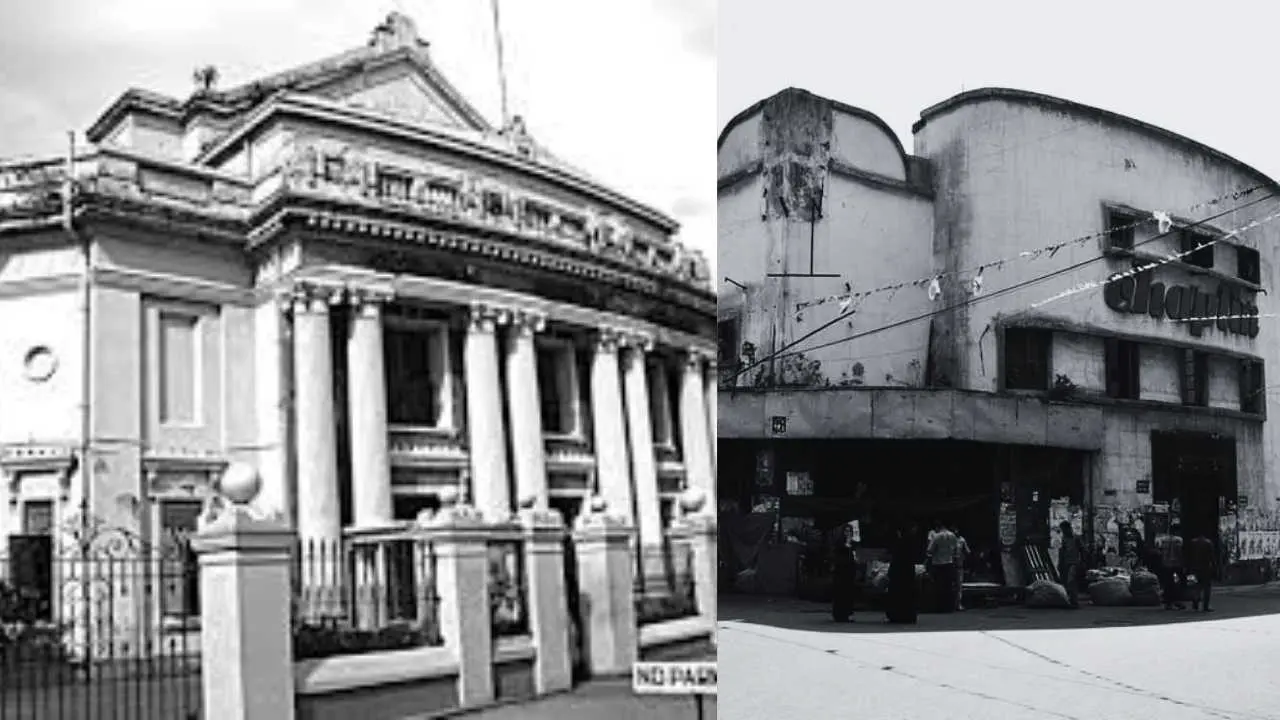
Uncovering the Birthplace of India’s First Cinema Hall
Cinema holds a special place in Indian life, encompassing a broad spectrum from modern multiplexes to quaint single-screen theatres. But how many truly know where and when India’s inaugural cinema hall opened and its monumental role in transforming how stories are viewed by the Indian public?
This tale isn’t merely about films; it’s a narrative of curiosity, technological innovation, and the dawn of a captivating entertainment form. Crafted in simple and relatable English, this article aims to be accessible even to 8th-grade students.
The Introduction of Cinema to India
Cinema made its debut in India in the late 19th century, shortly after its emergence in Europe. The concept of moving images was entirely novel, sparking amazement among viewers who had never encountered such a spectacle.
The first cinematic exhibition in India took place in 1896 at Watson’s Hotel in Bombay (now Mumbai), featuring short films created by the Lumière Brothers. The audience was enthralled, yet film was still perceived as a fleeting novelty rather than a staple of entertainment.
For many years following this notable event, films were exhibited in makeshift tents, theatres, or halls intended primarily for stage performances. At this juncture, India lacked a dedicated cinema hall.
The Emergence of India’s First Cinema Hall
A pivotal moment occurred in 1907 when India’s very first permanent cinema hall came to life in Calcutta (now Kolkata). This landmark was known as Elphinstone Picture Palace, which subsequently earned the moniker Chaplin Cinema.
Initiated by Jamshedji Framji Madan, a prominent theatre proprietor and film distributor, this cinema was a bold assertion in favor of the future of Indian cinema and the necessity for a regular venue for screenings.
Elphinstone Picture Palace was distinctive as it was exclusively constructed for cinematic presentations. Unlike its predecessors, which were makeshift, this establishment represented the authentic beginning of cinema in India.
The Rise of Calcutta as the First Cinema Hub
During the early 1900s, Calcutta stood as the capital of British India, a vital cultural and social nucleus. The city boasted a rich theatrical legacy and a populace receptive to new ideas and technologies.
This forward-thinking attitude positioned Calcutta as the ideal location for India’s inaugural cinema hall. A diverse audience flocked to Elphinstone Picture Palace, turning cinema visits into a collective societal norm.
The Nature of Early Film Screenings
Initially, the films presented at Elphinstone Picture Palace (later Chaplin Cinema) were silent and brief, lacking dialogue or recorded sound. To enrich the experience, live music accompanied film showings.
Most of the films were sourced from Europe, with Indian productions emerging later. Nevertheless, these early showings cultivated a budding interest in cinema among Indian audiences and facilitated its gradual evolution.
The Transformative Effect of One Cinema Hall on Indian Entertainment
The establishment of India’s first cinema hall rewrote the narrative of entertainment. Prior to this, the populace was primarily reliant on live stage shows, folk performances, and traditional acts. Cinema introduced a fresh perspective—stories portrayed through moving visuals.
As enthusiasm surged, more cinema halls sprouted across various cities. Local filmmakers began to create Indian films, embedding cinema into the cultural and storytelling fabric of the nation.
Spanning from silent films to sound creations, transitioning from black-and-white to vibrant colors, and ultimately arriving at digital cinema, the expansive journey of Indian cinema traces back to that singular hall in Calcutta.
Evolution from Single Screens to Multiplexes
Elphinstone Picture Palace (later Chaplin Cinema) heralded the era of single-screen theatres in India. For numerous years, these establishments served as the primary venues for communal film-watching experiences. Families, friends, and neighbors gathered, celebrating cinema together.
Over time, technological advancements paved the way for multiplex theatres. Although cinema halls have transitioned in design and comfort, the thrill of viewing a film on the big screen endures.
The Lasting Significance of This Historical Account
Understanding the narrative of India’s first cinema hall offers insight into the emergence of Indian cinema and the immense efforts invested in cultivating this sector. It serves as a reminder that monumental transformations often commence from modest yet impactful actions.
What initiated in 1907 with Elphinstone Picture Palace (later Chaplin Cinema) gradually evolved into one of the globe’s largest film industries.
Today, as audiences revel in the experience of modern theatres, it’s essential to reflect on the origins of this journey—one cinema hall, one screen, and a simple aspiration to narrate stories in a novel fashion.
Disclaimer
This article is intended for general information and educational use only. The historical facts presented are based on widely accessible records, publications, and public sources, which may present variations across references. While utmost care has been taken to provide accurate information, readers are encouraged to consult validated history texts, academic research, museum archives, or official cultural documents for in-depth study and confirmation. The publisher does not claim absolute authority over historical interpretation and is not accountable for any updates, revisions, or differing perspectives that may arise post-publication.