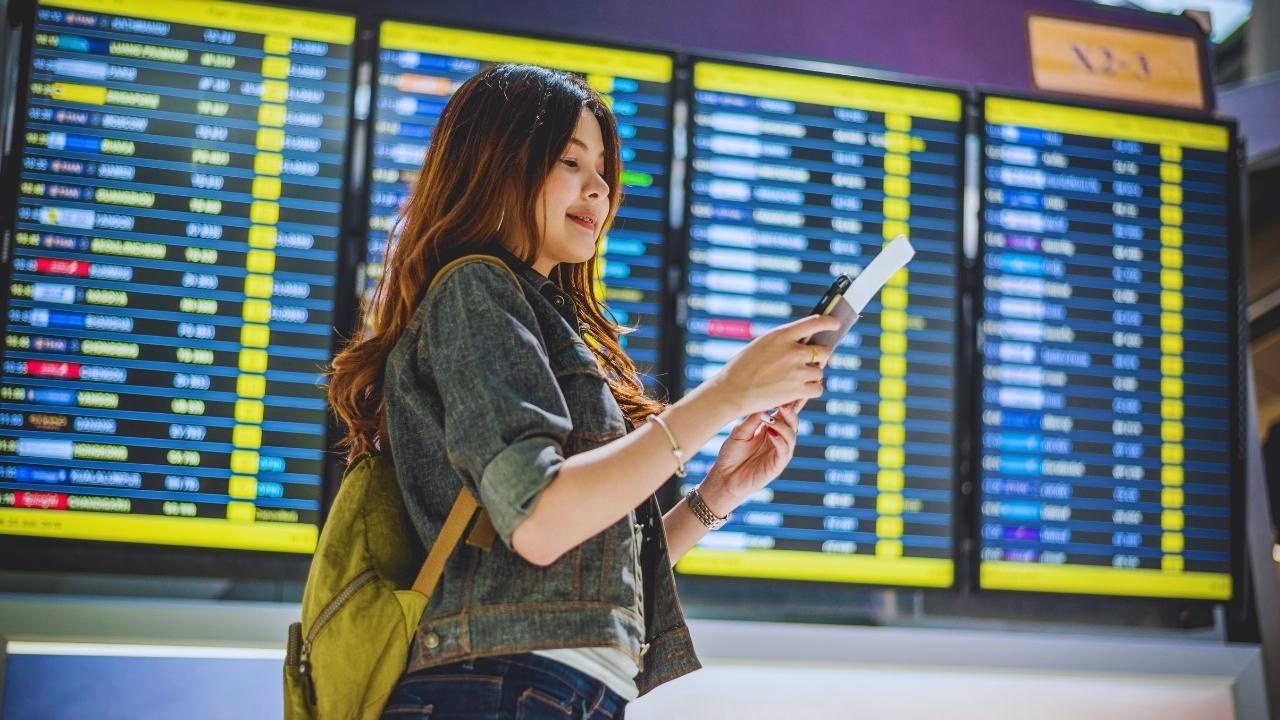
The unpredictability of air travel has reached new heights. Recent weeks have seen major airports grappling with sudden delays, staffing shortages, adverse weather conditions, and terminal overcrowding. In light of these challenges, relying solely on airport displays or hastily made announcements is no longer viable. Today's travellers need advanced solutions.
Fortunately, technology has become an indispensable ally. From live flight trackers to intelligent analysis of potential delays, modern tools are designed to keep travellers well-informed, ready, and relaxed. These applications provide real-time updates on not just flight delays, but also gate shifts, baggage tracking, flight turnaround analytics, alerts about lengthy immigration lines, weather updates, and itinerary modifications.
This article reviews the most practical tech tools available, distinguishing between trendy gimmicks and genuinely beneficial resources. Whether you're a frequent flyer, travelling with family, heading for a work commitment, or planning a vacation, these tools can be a lifesaver, allowing for seamless travel experiences instead of frantic terminal dashes.
The Necessity of Delay Tracking
1. Unpredictable Weather Patterns
Abnormal weather occurrences such as unexpected rains, thunderstorms, fog, and strong winds are causing increased delays across various regions. Short spells of severe weather can instigate further disruptions.
2. Limitations in Airline Staffing
Crew scheduling inaccuracies and ground handling challenges can hinder efficient turnarounds. Delays in one flight can cascade into multiple subsequent ones.
3. Crowded Terminals
Busy travel periods can overstress airport infrastructures, leading to long security and immigration lines that may affect departure schedules.
4. Altered Operational Procedures
New checks, system upgrades, or terminal maintenance can temporarily bog down airport operations.
5. Surge in Passenger Traffic
With a growing demand for travel, even minor glitches can create widespread delays across multiple flights.
For today’s traveller, leveraging tracking tools is becoming a crucial necessity.
Top Tech Tools for Real-Time Flight Delay Monitoring
The following tools are currently among the most reliable, efficient, and user-friendly available.
1. Airline Mobile Applications: Your First Defense Against Disruptions
Why Are They Essential?
Airline apps offer the fastest and most precise insights into delays, pulling data directly from airline management systems.
What They Offer
-
Instantaneous delay notifications.
-
Information on gate alterations.
-
Updates on boarding procedures.
-
Aircraft rotation data.
-
Status of baggage upon arrival.
-
Revised flight schedules.
-
Options for rebooking.
Expert Tips
-
Activate push notifications.
-
Pre-add all travel itineraries.
-
Opt for SMS and email notifications.
-
Utilize the app’s live chat feature for prolonged delays.
For countless travellers, this app serves as a one-stop solution—if properly managed.
2. Global Flight Trackers: Independent and Trustworthy
Certain applications track flights utilizing international aircraft data, radar information, and airport logs. They provide broader context, particularly useful when airline notifications lag.
Key Features
-
Live aircraft tracking map.
-
Historical delay analytics.
-
Data on the aircraft model and tech specifications.
-
Real-time arrival estimates.
-
Timeline of the previous flight (to verify if the plane landed late).
-
Gate and terminal forecasts.
-
Insights into airport congestion.
These applications empower users to comprehend why a delay occurs rather than simply confirming its existence.
3. Smart Widgets and Watch Alerts
Why They Are Important
Widgets available on home screens and smartwatches allow for immediate updates without needing to access applications.
Tracked Information
-
Flight countdown timers.
-
Amendments to delays.
-
Gate notifications.
-
Boarding alerts.
Optimal Situations for Use
-
While managing luggage.
-
When accompanying children.
-
When transitioning between terminals.
-
When facing poor Wi-Fi connectivity.
A quick glance can avert unnecessary anxiety.
4. Airport-Specific Applications for Tailored Updates
Many prominent airports now provide dedicated applications that deliver in-depth information:
Key Features for Delay Management
-
Security wait estimates.
-
Immigration line forecasts.
-
Ground congestion information.
-
Lounge occupancy details.
-
Walking times from gate to gate.
-
Weather alerts.
-
Traffic conditions to the airport.
Importance of These Updates
Sometimes, although your flight may not be delayed, the airport might face overwhelming crowds. Understanding this can inform your arrival strategy, terminal choice, and time allocation.
5. Comprehensive Travel Apps Featuring Flight Tracking
Travel booking applications are now incorporating innovative tracking features and real-time notifications.
Practical Functions
-
Alerts for integrated flight, hotel, and transfer arrangements.
-
Notifications for price reductions on rebooking due to missed connections.
-
Trip dashboards showcasing timelines.
-
Reminders for automated check-in.
-
Suggestions for alternative flight options.
Why They’re Beneficial
Managing all aspects of your trip within a single app simplifies adjusting plans due to delays.
6. Weather Applications with Aviation-Level Forecasting
Importance of Weather Applications
Delays often result from adverse weather conditions—fog, thunderstorms, high winds, rain, or visibility challenges. Weather forecasts can enhance your preparedness.
Key Features
-
Hourly weather forecasting.
-
Airport-specific weather warnings.
-
Storm tracking capabilities.
-
Fog forecasts.
-
Wind speed alerts.
Real-World Impact
If you are preparing for an early winter flight, fog alerts can inform you about possible delays even before your departure.
7. AI Chatbots and Virtual Assistants from Airlines
A number of airlines have started using AI-driven virtual assistants capable of:
-
Instantly access your booking information.
-
Notify you about any delays.
-
Recommend alternate routes.
-
Assist in rebooking missed connections.
-
Update you on baggage tracking.
These resources alleviate stress in pressing situations.
8. Baggage Tracking Applications and Bluetooth Monitors
Recent travel disruptions have underscored the ease of losing luggage in transit.
Functionality of These Tools
-
Trace your luggage's exact whereabouts.
-
Alert you if your luggage does not board.
-
Notify you when your bag arrives on the carousel.
-
Provide the last known airport data.
Importance of Tracking After Delays
During terminal shifts or tight turnarounds, luggage may not sync with your movement. Trackers bring certainty to the process.
9. Advanced Smart Airline Cards and Loyalty Tools
Regular flyers receive timely updates and tailored notifications regarding delays.
Benefits from Loyalty Apps
-
Priority delay notifications.
-
Updates on lounge availability.
-
Dedicated customer support lines.
-
Weather alerts.
-
Help with rebooking processes.
For regular travellers, this significantly lessens last-minute challenges.
10. Family Travel Applications with Features to Mitigate Delays
Such apps are proving to be essential for families travelling with kids or elderly relatives.
Core Features
-
Group notifications.
-
Shared timelines for itineraries.
-
Location sharing within airports.
-
Updates synced across devices in real-time.
Why They Matter During Delays
Families often find themselves separated in airports for various reasons, like buying snacks for kids or bathroom breaks. A coordinated update system helps maintain alignment.
How These Tools Aid During Actual Delays
1. Facilitating Early Alerts
Being alerted to a delay even a quarter-hour early allows for calmer adjustments:
-
Request lounge access.
-
Adjust arrival time to the airport.
-
Avoid rushing unnecessarily.
-
Manage children more efficiently.
2. Identifying Patterns Preceding Airline Announcements
If your aircraft is stationed elsewhere, tracker applications will reveal this status.
When your plane lands late, you will have a better understanding of impending boarding delays.
Weather apps can warn of incoming storms, letting you predict possible operational interruptions.
3. Alleviating Gate-Related Anxiety
Many last-minute delays occur at the gate. Receiving updates in real-time lessens the need for:
4. Helping Travellers Rebook with Ease
Certain aggregator and airline apps allow for quick rebooking during extended delays.
5. Lowering Emotional Strain
Not knowing what to expect can be more exasperating than the delay itself.
Digital tools help mitigate uncertainty.
Maximizing the Use of These Tools
1. Activate ALL Notifications
Missing a single update can hinder your planning.
2. Monitor Aircraft, Not Just Flights
Most consumers focus only on flight data.
Astute travellers check the status of the incoming aircraft.
3. Observe Airport Conditions
If the terminal is heavily populated, delays are likely.
4. Utilize Multiple Apps for Comprehensive Tracking
No application excels entirely.
Blend functionalities of:
-
Airline app.
-
Flight tracker.
-
Airport app.
-
Weather application.
5. Review Delay Patterns
Some flights are routinely delayed.
Assess historical trends before booking.
Why It's Critical for Travellers to Adopt These Tools Now
1. Increased Disruptions
Seasonal conditions, air traffic constraints, and operational hurdles are leading to frequent irregularities.
2. Tighter Aircraft Turnarounds
Minor issues can drastically affect scheduled timelines.
3. Record-Breaking Travel Demand
An uptick in passengers equals longer lines and more delay risks.
4. Evolution in Airline Operations
The majority of updates are now initially issued digitally, rather than through public announcements.
5. Reducing Missed Connections Saves Financial Resources
Tracking delays allows for immediate actions to:
Final Thoughts
In the current fluctuating travel environment, depending on airport screens or sporadic announcements no longer suffices. Delays, gate modifications, weather complications, and terminal issues are becoming increasingly prevalent. Travellers must possess reliable, up-to-the-minute information—delivered in a straightforward and timely manner.
The tools detailed in this article—ranging from flight trackers and airline apps to weather updates and family travel tech—create an essential buffer against unpredictable travel conditions. They empower passengers to stay informed, manage their time more effectively, sidestep panic, communicate with loved ones, and make well-informed choices during abrupt changes.
While these tools won't entirely eradicate delays, they can significantly enhance the travel experience—from uncertainty and frustration to clarity and tranquility.