Kyiv – As the war engulfed Ukraine in February 2022, many residents found themselves at a crossroads: escape, conceal themselves, or engage in combat. For Kseniia Kalmus, a former florist, the answer was evident. She transitioned from creating flower designs to assembling drone components, transforming her modest workshop into a productive site that churns out hundreds of drones monthly for the Ukrainian forces.
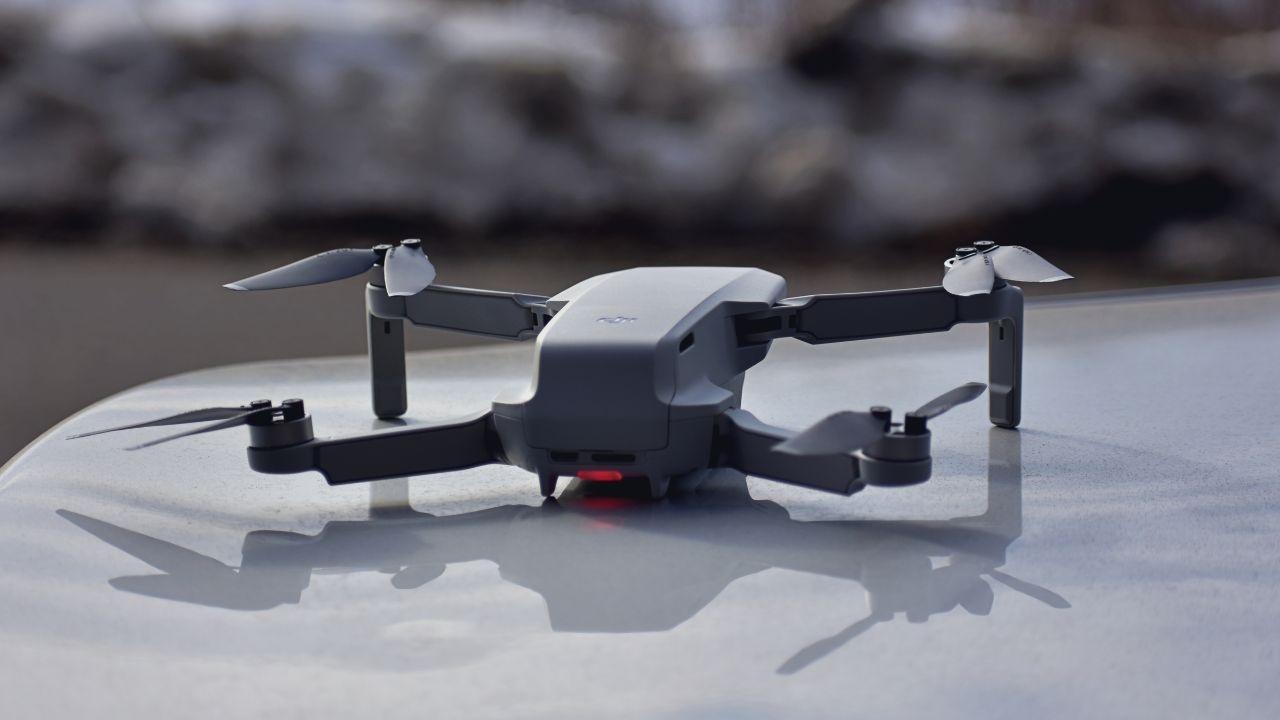
“My aim was simple — to support my country, aid my people, and assist the military,” she explained. What began as efforts to gather funds for medical supplies, vehicles, and uniforms quickly evolved into drone production — small quadcopters initially intended for photography, now reengineered to deliver explosives on the front lines.
Dubbed the world’s first extensive drone conflict, Ukraine estimates that drones account for roughly 75% of Russian losses, marking a monumental shift from conventional warfare involving artillery and tanks.
From Residential Workshops to Industrial Hubs
Prior to 2022, Ukraine had a mere handful of drone manufacturers. Today, the landscape has drastically changed, with hundreds of small businesses, garage team-ups, and volunteer groups actively developing drones. Individuals like Kalmus have become integral to this initiative, crafting and donating devices directly to the frontline.
The utilization of drone warfare transcends Ukraine. Regions like the Middle East, Myanmar, and Sudan are increasingly adopting drone technology, prompting nations worldwide to explore both offensive and defensive capabilities. Belgium, for instance, recently rushed to secure anti-drone technologies following airport disruptions caused by drone sightings.
Growth of the Drone Industry
The escalation of drone warfare has fueled a rising demand for advanced military drones and counter-drone solutions. Major global defense firms like Lockheed Martin and Boeing, as well as smaller entities such as AeroVironment in the U.S. and Tekever in Portugal, are ramping up production. Additionally, Stark of Germany is establishing a new facility in the UK to address the burgeoning European demand.
The drone boom has also led to the emergence of a counter-drone industry. Companies like DroneShield from Australia and Munin Dynamics from Norway are developing portable systems designed to detect and neutralize small drones, catering to both military installations and civilian infrastructure. Countries across Europe, Asia, and Latin America are increasingly seeking their innovations.
Looking Ahead
Currently, most operational drones are manually piloted; however, experts anticipate that the next evolution will involve artificial intelligence. Drones managed by a single operator, working in unison or autonomously, have the potential to revolutionize aerial warfare once more.
For Kalmus and her fellow volunteers, this conflict hits close to home. “I deeply miss flowers and my previous life,” she confides. “But this is fundamentally about survival — for our nation, our continued existence, and our cultural heritage.”
The narrative of Ukraine’s drone industry reflects a story of resilience and transformation, illustrating how ordinary individuals can play crucial roles in contemporary warfare, and demonstrating how technology has become a fundamental aspect of national defense.