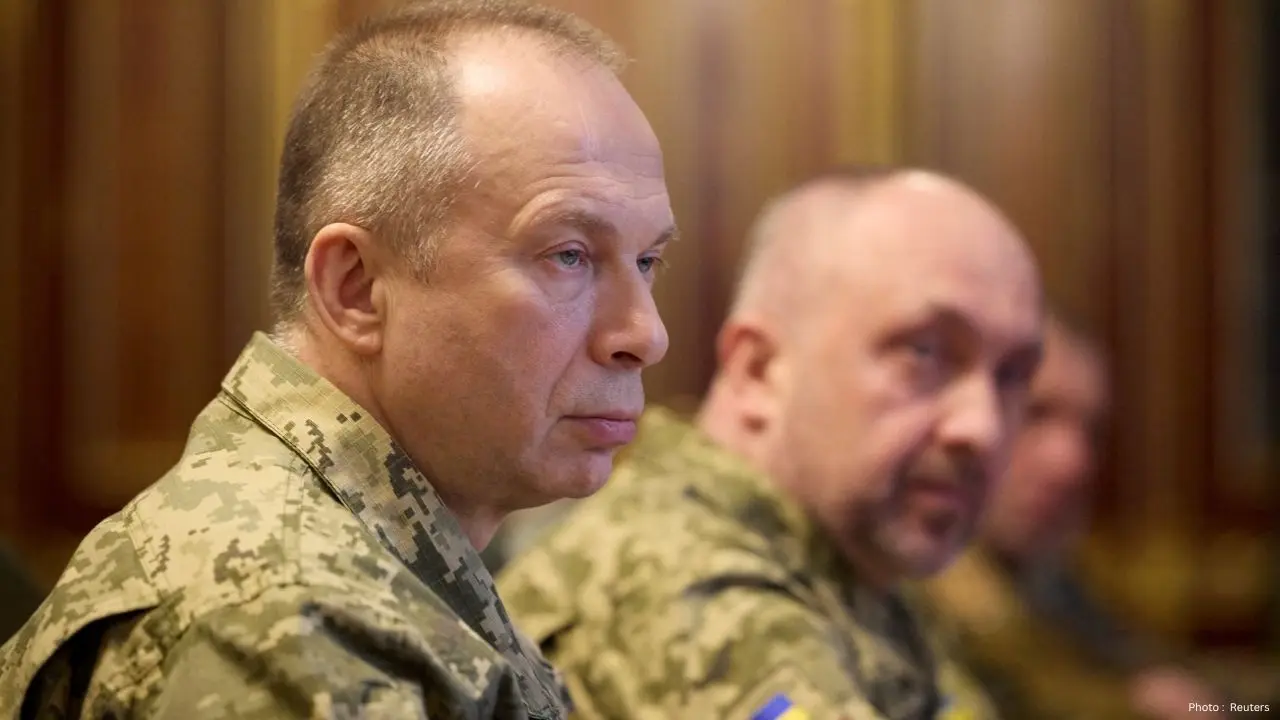
The leadership of Ukraine's military has announced a pivotal regulation aimed at limiting the time soldiers can spend on the frontline. This directive, initiated by Oleksandr Syrskyi, seeks to shield troops from the extreme stress and weariness that come with prolonged warfare.
According to the new protocol, soldiers will serve fixed periods on the frontline, with timely rotations to allow for recuperation. This strategy arrives as the conflict drags on, plunging troops into relentless peril and high-pressure combat situations.
Life on the battlefront is notably arduous. Soldiers endure long hours under constant threat, leaving little room for rest. Such sustained exposure adversely affects both physical and mental well-being, with fatigue impairing focus and operational effectiveness during critical military engagements.
A significant driver for this new directive lies in the evolving landscape of modern warfare. Today's battlefields are intensely demanding, featuring advanced weaponry and drone technology that perpetuates risks. Soldiers rarely receive adequate recovery time, escalating the challenges of extended deployments.
By instituting limits on frontline assignments, the military aims to enhance troop health and operational efficiency. Frequent rotations not only facilitate recovery times but also bolster morale, a vital factor in enduring conflicts.
Additionally, managing personnel effectively is crucial. As the war persists, ensuring a robust and prepared military force becomes increasingly challenging. Long, exhausting stints can diminish the available effective fighting force. The introduction of this new system addresses these concerns by preventing troop burnout.
This decision underscores the importance of human considerations in warfare. Soldiers are not merely combatants; they are individuals requiring rest, care, and support. Prioritizing their well-being could enhance performance and promote long-term health.
Nonetheless, operationalizing this system presents challenges. Coordinated planning and timely troop rotations are essential. Training for newcomers must be expedited to ensure seamless transitions into combat roles. Any delays might jeopardize battlefield effectiveness.
The conflict remains fierce, with relentless pressures on both factions. Although this initiative may not immediately alter the trajectory of the war, it stands to improve soldiers' capacity to manage its strains.
This shift offers potential solace for soldiers' families. The knowledge that loved ones will not remain in perilous zones for extended durations may help alleviate anxiety and stress.
This approach highlights a growing awareness that 21st-century warfare encompasses not just strategy and strength but also resilience and care. Thoughtful management of human resources is now crucial, rivaling traditional tactics and armaments in importance.
As circumstances evolve, such strategies are likely to influence military operations in sustained conflicts significantly.