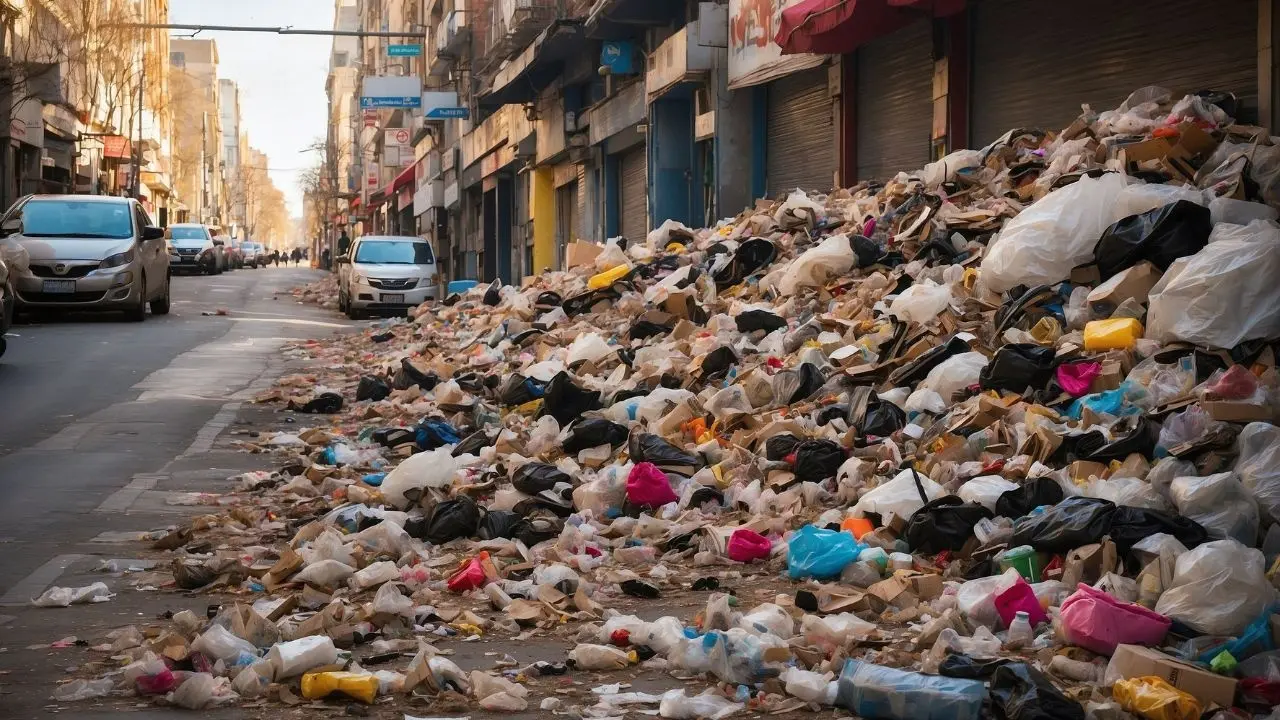
Bali, a renowned tourist hotspot, is currently facing a significant waste management emergency following the recent shutdown of its major landfill. This closure has resulted in alarming amounts of trash accumulating in various locations, prompting concern among locals, authorities, and tourists alike.
With the landfill's closure disrupting established waste disposal processes, proper alternatives have not been implemented, causing a slowdown in garbage collection. As a result, waste is increasingly building up in public areas, streets, and homes.
Residents are expressing dissatisfaction with the deteriorating conditions as waste proliferates. This escalating situation presents not only challenges for daily living but also environmental threats including health risks and pollution.
Given that tourism plays a crucial role in Bali's economy, the ongoing garbage crisis poses a substantial risk. Unblemished beaches and picturesque spots are vital to attracting visitors, and litter proliferation threatens to tarnish the island's reputation as a preferred travel destination.
Authorities are facing mounting pressure to devise prompt and effective solutions. Initiatives are currently underway to manage the crisis, including short-term waste handling strategies and the examination of new landfill sites or recycling measures.
Environmental specialists have stressed the necessity for sustainable long-term solutions. They advocate for Bali to invest in comprehensive waste management options, emphasizing recycling initiatives and the reduction of plastic consumption.
The current predicament underscores the significance of public education. Residents and businesses are being urged to minimize waste and embrace eco-friendly practices to alleviate strain on the existing system.
While Indonesia has been making strides in enhancing waste management nationally, challenges persist, particularly in rapidly developing tourist regions like Bali. The existing situation highlights the urgent need for improved infrastructure and strategic planning.
Failure to address these issues promptly could result in prolonged repercussions on public health, the environment, and the economy. Authorities are anticipated to implement more robust measures in the upcoming weeks to stabilize the situation and restore normalcy.