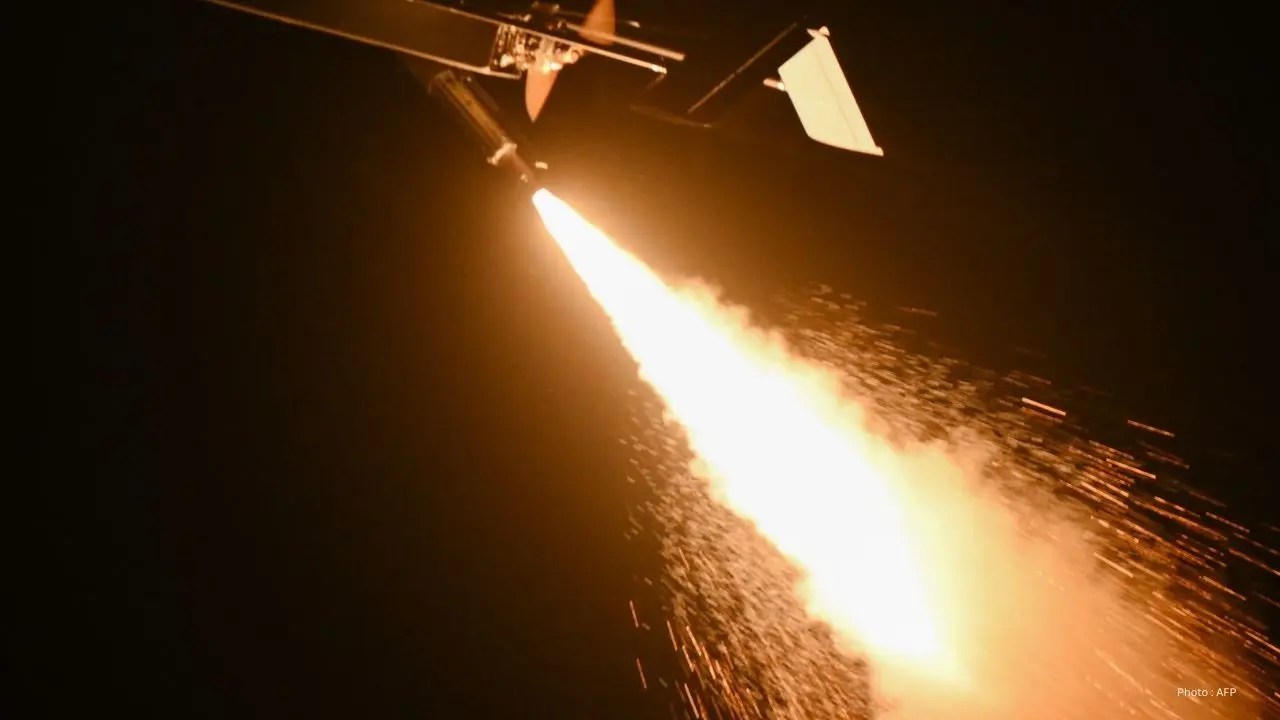
Drone attacks targeting the Moscow region have once again highlighted the growing role of unmanned aerial warfare in the ongoing conflict between Russia and Ukraine. Russian authorities reported multiple drone strikes near Moscow, with air defense systems activated to intercept incoming aerial threats.
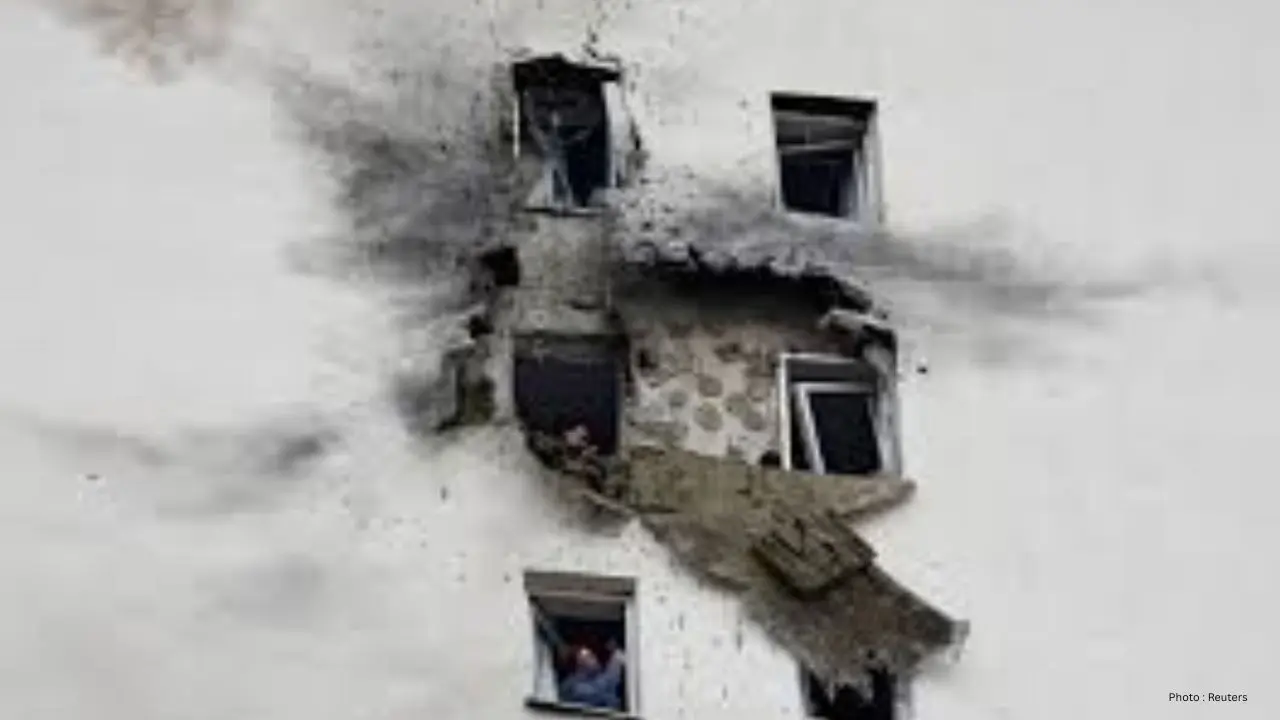
Officials said several drones were either destroyed or intercepted before causing major damage, though some areas reportedly experienced temporary disruptions and security alerts. Airports in and around the Moscow region also faced temporary flight restrictions as authorities responded to the situation.
The attacks demonstrate how drone warfare has become one of the most important tactical tools in the conflict. Both Russia and Ukraine have increasingly relied on drones for surveillance, intelligence gathering, and long-range strikes against military and infrastructure targets.
Security analysts say the ability of drones to travel long distances and avoid traditional defenses has changed the nature of modern warfare. Smaller unmanned aircraft can now target fuel depots, military facilities, communication centers, and transportation networks far from frontline combat zones.
Russian officials accused Ukraine of carrying out the drone attacks, though Ukrainian authorities often avoid publicly confirming direct responsibility for operations inside Russian territory. Kyiv has previously argued that military-related targets connected to the war are legitimate objectives.
The growing frequency of drone incidents around Moscow has increased pressure on Russian air defense systems and raised concerns about domestic security inside Russia. Authorities have strengthened monitoring around important government buildings, transport hubs, and strategic infrastructure following earlier attacks.
Military experts believe drone warfare offers several advantages, including lower operational costs, reduced risk to pilots, and the ability to conduct rapid precision strikes. However, experts also warn that expanding drone use increases the risk of escalation and creates new security challenges for civilian areas.
The conflict between Russia and Ukraine has already become one of the largest modern examples of large-scale drone warfare. Both sides have used domestically produced drones as well as imported technology for reconnaissance and attacks throughout the war.
International observers continue monitoring the conflict closely as both countries intensify military operations. Analysts warn that continued strikes deep inside Russian territory could increase tensions further and potentially influence future military strategies on both sides.
The war in Ukraine has caused widespread destruction, displacement, and economic disruption since the conflict escalated in 2022. Drone attacks such as those seen near Moscow reflect how rapidly military technology is reshaping battlefield tactics and national security concerns in modern conflicts.