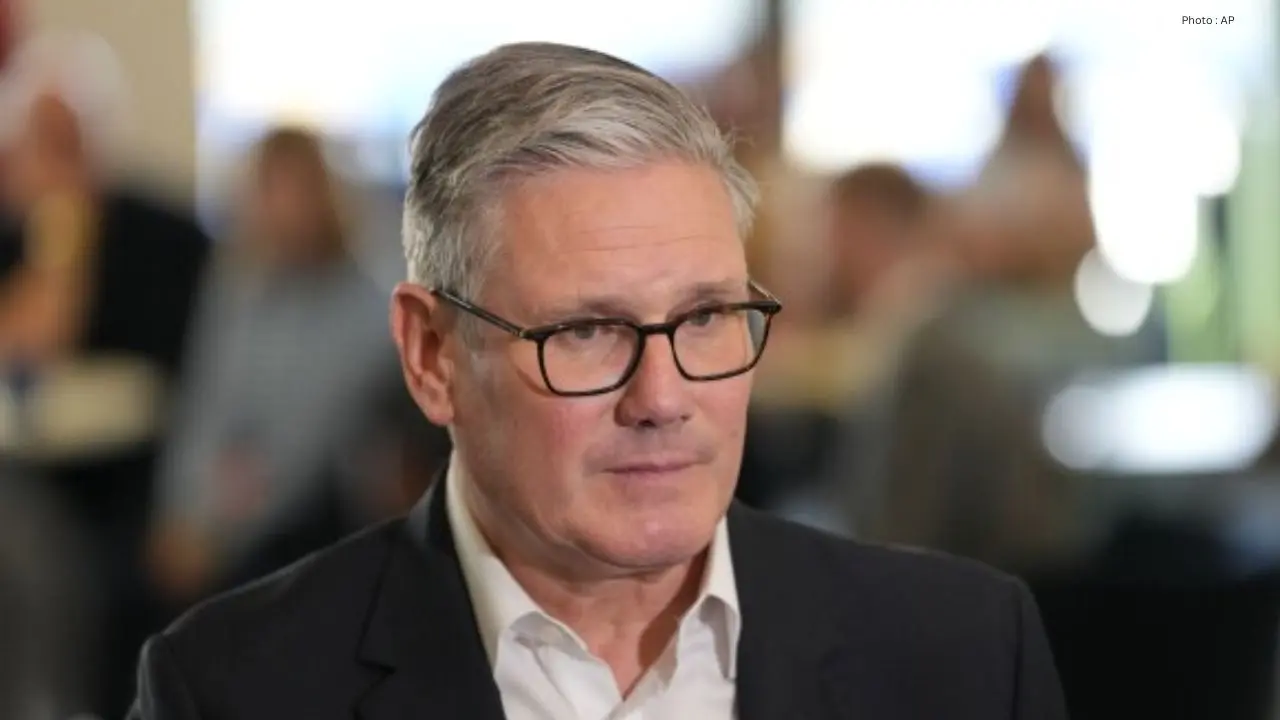
King Charles III formally opened the new session of the British Parliament on Tuesday by delivering the King’s Speech, outlining Prime Minister Keir Starmer’s government agenda at a time of growing political and economic pressure in the United Kingdom. Financial markets, especially bond investors, reacted cautiously as concerns continue over the government’s spending plans, economic growth and political stability.
The King’s Speech is one of the most important constitutional events in British politics and officially presents the government’s legislative priorities for the coming parliamentary session. Although the speech is read by the monarch, the policies are written by the elected government. This year’s ceremony carried extra attention because Prime Minister Starmer’s Labour government is facing increasing political challenges after months of economic difficulties and declining public support.
During the speech, King Charles outlined plans focused on economic growth, housing reform, public services, clean energy investment and changes to financial regulation. The government also promised new measures aimed at improving infrastructure, boosting industrial investment and strengthening Britain’s energy security. Ministers said the agenda is designed to restore confidence in the economy after years of slow growth and high inflation.
However, financial analysts warned that investors remain nervous about Britain’s economic position. Bond markets have recently shown signs of instability as traders worry about rising government borrowing, weak productivity and the possibility of slower tax revenues. Analysts say investors are especially sensitive after the political and financial turmoil that followed former Prime Minister Liz Truss’s economic plans in 2022, which caused major disruption in UK bond markets.
Government borrowing costs in Britain have increased in recent weeks, putting additional pressure on the Treasury. Economists say the Labour government now faces a difficult balance between funding public services and maintaining market confidence. Several analysts warned that if investors believe spending is rising too quickly without strong economic growth, borrowing costs could climb even further.
Political uncertainty has also added to market concerns. Starmer’s government has recently faced criticism over internal divisions, falling approval ratings and pressure from both opposition parties and members of his own Labour Party. Some political observers believe the government appears weaker than expected despite winning power with promises of economic stability and reform.
The King’s Speech included proposals to speed up housing construction, reform planning laws and increase investment in renewable energy projects. Ministers argue these policies could help stimulate economic growth and attract long-term investment into the UK economy. The government also promised further support for the National Health Service and education systems, both of which remain major political issues across the country.
Opposition parties reacted differently to the speech. Conservative politicians accused the Labour government of lacking a clear economic strategy and warned that increased public spending could damage Britain’s financial stability. Meanwhile, smaller parties argued the government was not moving fast enough on housing affordability, social care and climate policy.
Despite the criticism, government ministers insisted that Britain’s economy is gradually improving and said the policies announced in the King’s Speech are designed to create long-term stability. Officials also stressed that maintaining investor confidence will remain a central priority while delivering promised reforms.