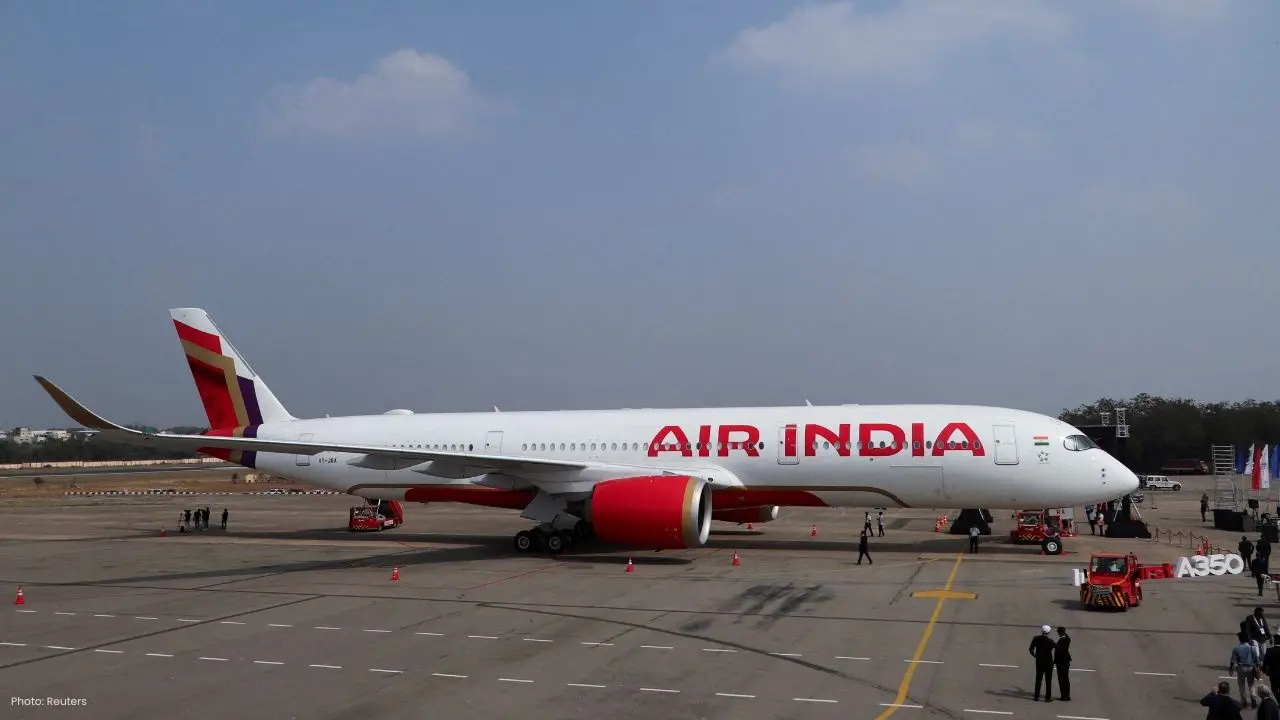
Thousands of passengers based in the UAE are bracing for disruptions as India’s leading airlines, Air India and IndiGo, announce significant cuts to domestic and international flights due to escalating jet fuel prices attributed to the ongoing crisis in Iran.
The reductions occur just as the summer travel season peaks, coinciding with many Indian expatriates returning to their homeland for family visits, school holidays, and international connections.
Between them, Air India and IndiGo control close to 90% of India’s domestic air travel market, making their flight reductions noteworthy for those traveling along the UAE-India corridor.
Sources indicate IndiGo has cut approximately 7% to 10% of its scheduled domestic flights for June and July, while Air India has decreased around 22% of its domestic services during the same months.
These cuts are likely to lead to limited seating availability and inflated ticket prices on many popular routes at this peak travel time.
Surge in Fuel Prices Linked to Middle Eastern Tensions
The airline industry is experiencing intense financial strain as jet fuel prices have surged following the tensions in the Middle East.
Typically accounting for nearly 40% of operational costs, the high cost of aviation fuel has compelled many airlines to withdraw from less lucrative routes while hiking fares.
Air India has confirmed it is temporarily tweaking operations on specific domestic routes from June to August in response to the rising fuel prices.
An airline representative disclosed that aviation turbine fuel costs for Air India spiked from approximately Rs 80,000 per kilolitre to over Rs 100,000 as a result of the Iran conflict.
This surge in prices is partly attributed to disruptions around the Strait of Hormuz, a crucial oil shipping route linking Gulf nations to global markets.
Delays and Limited Connections for UAE Passengers
The reductions in flights are anticipated to affect UAE travellers who usually connect through major Indian airports such as Delhi and Mumbai.
According to Air India, the diminished international operations have resulted in reduced demand for domestic feeder flights, further complicating travel plans.
As a consequence, those departing from Dubai, Abu Dhabi, and Sharjah might face fewer connecting options, extended transit times, and pricier tickets.
Numerous UAE residents utilize Indian airports as budget-friendly transit points for flights to North America, Europe, and Asia. However, the recent international cancellations may restrict these travel possibilities.
Cutbacks on International Services
Air India has already ceased or scaled back several international services through August.
Notably, flights between Delhi and Chicago have been entirely suspended. Moreover, Delhi-San Francisco services have been reduced from ten to seven weekly flights.
Similarly, frequencies have been cut back on routes to cities such as Toronto, Vancouver, Paris, Singapore, and numerous European and Asian destinations.
Challenges Pipe Up for IndiGo
IndiGo, India's largest airline by market share, is also feeling the pressure operationally despite its expansion aspirations.
Currently, it operates over 2,200 flights daily, encompassing both domestic and international journeys. Nevertheless, previous reductions in some long-haul operations were attributed to airport congestion and operational hurdles.
These latest cuts highlight how susceptible the aviation industry is to global fuel price fluctuations, even amidst strong passenger demand and rapid market growth.
Experts suggest airlines are shifting their focus towards profitability and fuel efficiency rather than aggressive expansion.
High Airfares Expected
Travel analysts predict that ticket prices for routes between the Gulf and India will remain elevated throughout the summer due to robust travel demand and reduced seat availability.
This situation may increase interest in Gulf carriers such as Emirates, Etihad Airways, and flydubai, as passengers seek more consistent schedules and direct international routes.
However, these Gulf airlines are also grappling with higher fuel costs stemming from ongoing energy market disruptions.
Airlines Facing Financial Burdens
Air India is contending with broader financial issues, having reported annual losses exceeding $2 billion recently.
In addition to rising fuel prices, the airline faces challenges from Pakistan’s ongoing airspace closure for Indian carriers and a stronger U.S. dollar.
Owned by Tata Group and Singapore Airlines, Air India stated that passengers affected by the alterations will receive alternative travel arrangements, complimentary date changes, or refunds where necessary.
The airline emphasized that it will continually review operations based on fuel prices, passenger demand, and overall conditions.
Industry analysts caution that further flight reductions could occur if Middle Eastern tensions persist, impacting global oil markets and aviation supply chains.
For UAE passengers, this implies ongoing uncertainty regarding flight schedules, fares, and seating availability even beyond the summer season.