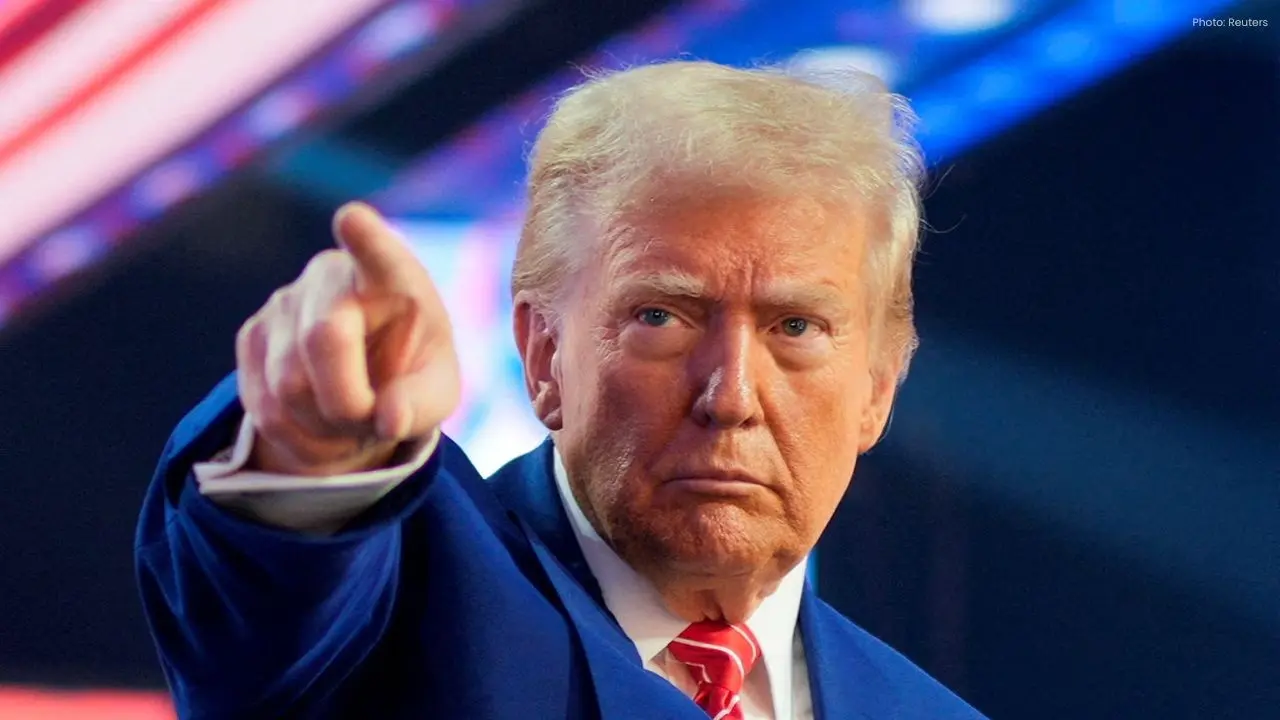
U.S. President Donald Trump has again captured global headlines by connecting his interest in acquiring Greenland to his disappointment over not winning the Nobel Peace Prize. His comments have sparked worries throughout Europe, hinting at a potential resurgence in trade tensions between the United States and European nations.
Trump stated that he no longer thinks “purely of peace,” implying a shift in his perspective on global affairs. He reiterated his belief that his diplomatic efforts warranted more international acknowledgment and affirmed that the absence of the Nobel recognition has altered his approach to global politics.
When questioned about the possibility of using military force to take control of Greenland, Trump avoided giving a definitive answer. While he neither confirmed nor denied the use of force, many leaders and analysts are troubled by the ambiguity, perceiving it as a serious implication concerning a peaceful territory.
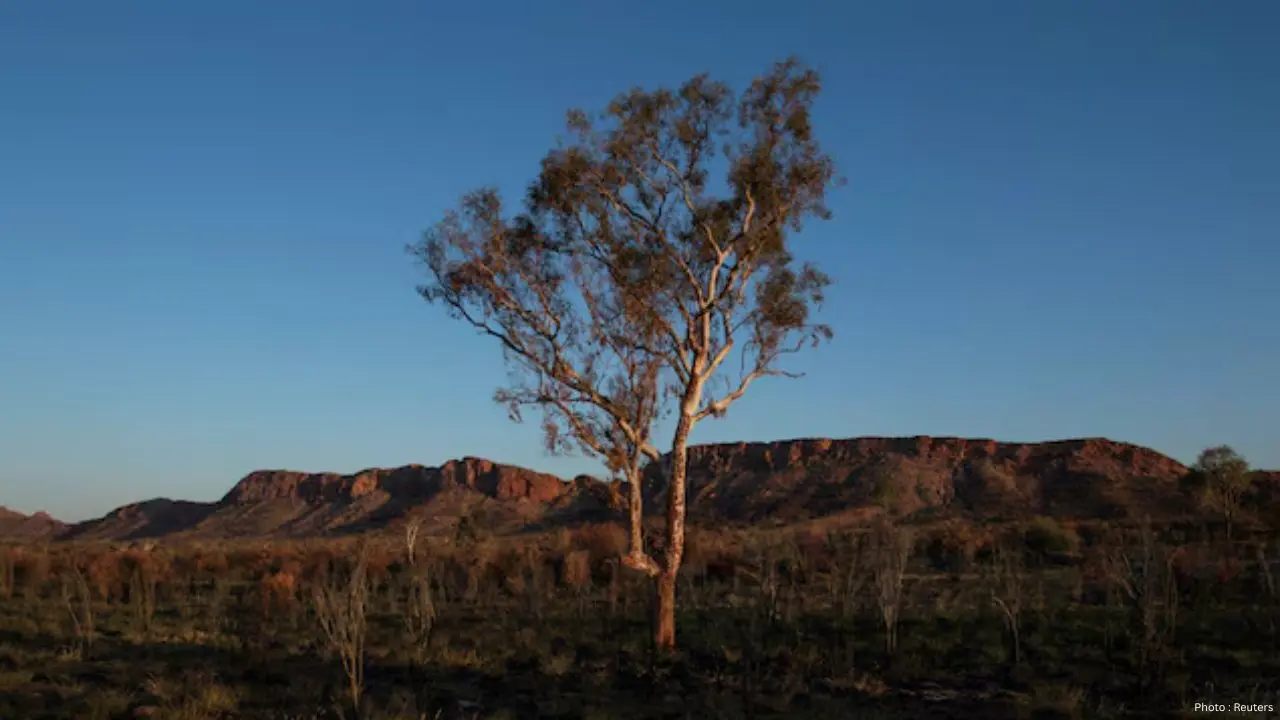
Greenland, governed semi-autonomously under Denmark, has become increasingly strategic. Its Arctic location and abundant natural resources make it an area of interest for global powers, especially as climate changes pave the way for new shipping lanes and mineral access.
Additionally, Trump reiterated that European nations could face heightened tariffs if trade negotiations falter. This remark has rekindled memories of prior trade frictions between the U.S. and Europe, which had previously led to economic unpredictability on both continents. European officials fear these new tariffs could negatively impact jobs, businesses, and long-established partnerships.
Danish and other European officials have firmly rejected any notion of Greenland being up for sale. They assert that the future of Greenland should be determined by its residents and not influenced by external pressures.
Trump's mention of the Nobel Peace Prize is particularly notable. Critics argue it indicates a personal frustration affecting significant foreign policy decisions, while supporters claim it reflects his acknowledgment of how recognition and power shape international dynamics.
Experts caution that such declarations could undermine trust among allies and elevate global unpredictability. Threats of tariffs may hamper trade, while the mention of force could lead to significant diplomatic and legal consequences.
Despite no formal actions being initiated, Trump’s comments have revived Greenland as a focal point of international discourse. World leaders and markets are closely monitoring whether these statements will transform into tangible policies or remain mere political rhetoric.