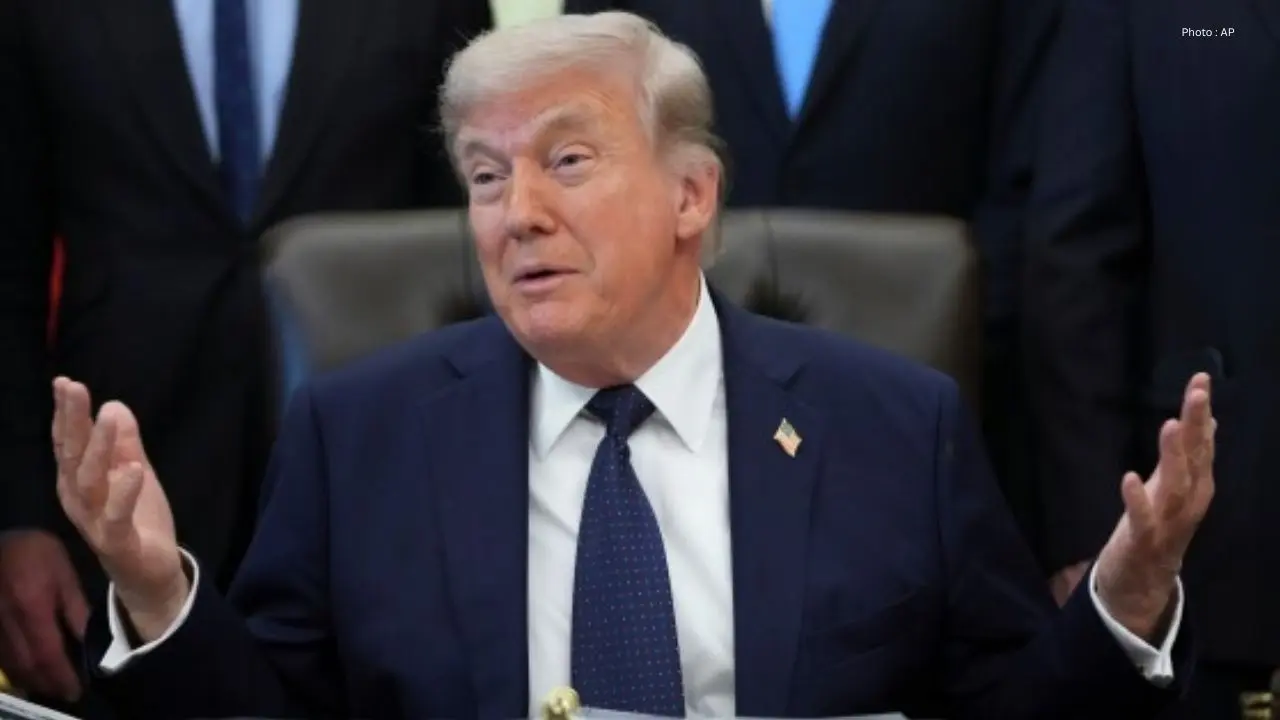
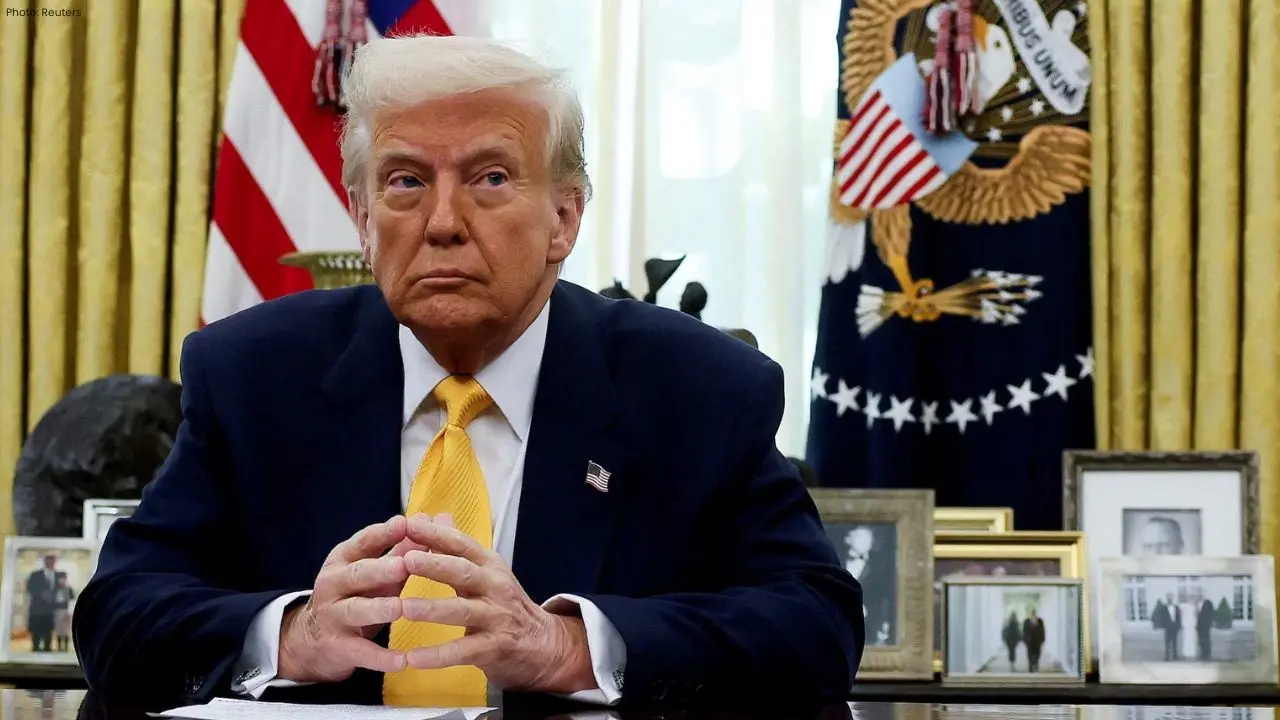
Donald Trump has announced a major new agreement with Regeneron aimed at reducing prescription drug prices in the United States. This deal is part of a broader government effort to introduce “most-favored-nation” (MFN) pricing, which ensures that Americans pay prices similar to the lowest rates offered in other developed countries. The agreement is described as the 17th such deal made with leading pharmaceutical companies, covering a large portion of the branded drug market.
Under this agreement, all State Medicaid programs across the country will gain access to lower drug prices for new Regeneron medicines. This is expected to save hundreds of millions of dollars and improve affordability for patients, especially those who depend on government healthcare support. The policy also aims to prevent other countries from benefiting from lower prices while Americans pay more, a situation often criticized by policymakers.
One of the most important outcomes of this deal is a significant price reduction for Regeneron’s cholesterol drug, Praluent. The cost will drop from $537 to $225 for patients who purchase it directly through a government-supported platform. In addition, all future medicines developed by the company will follow the MFN pricing model, ensuring long-term cost control for new treatments entering the market.
Another major highlight is the announcement of a new gene therapy called Otarmeni, designed to treat a rare genetic form of deafness. This treatment will be provided at no cost to eligible patients in the United States. The therapy was approved through a fast-track review system by the Food and Drug Administration, which is intended to speed up access to critical and innovative treatments.
The agreement also includes a large financial commitment from Regeneron. The company plans to invest $27 billion in the United States by 2029 to expand research, development, and manufacturing. This move is expected to strengthen domestic pharmaceutical production and reduce reliance on foreign supply chains.
Overall, the deal reflects ongoing efforts by the administration to lower healthcare costs, improve access to medicines, and encourage pharmaceutical companies to invest more within the United States. Officials say these agreements could reshape global drug pricing and bring long-term benefits to American patients.