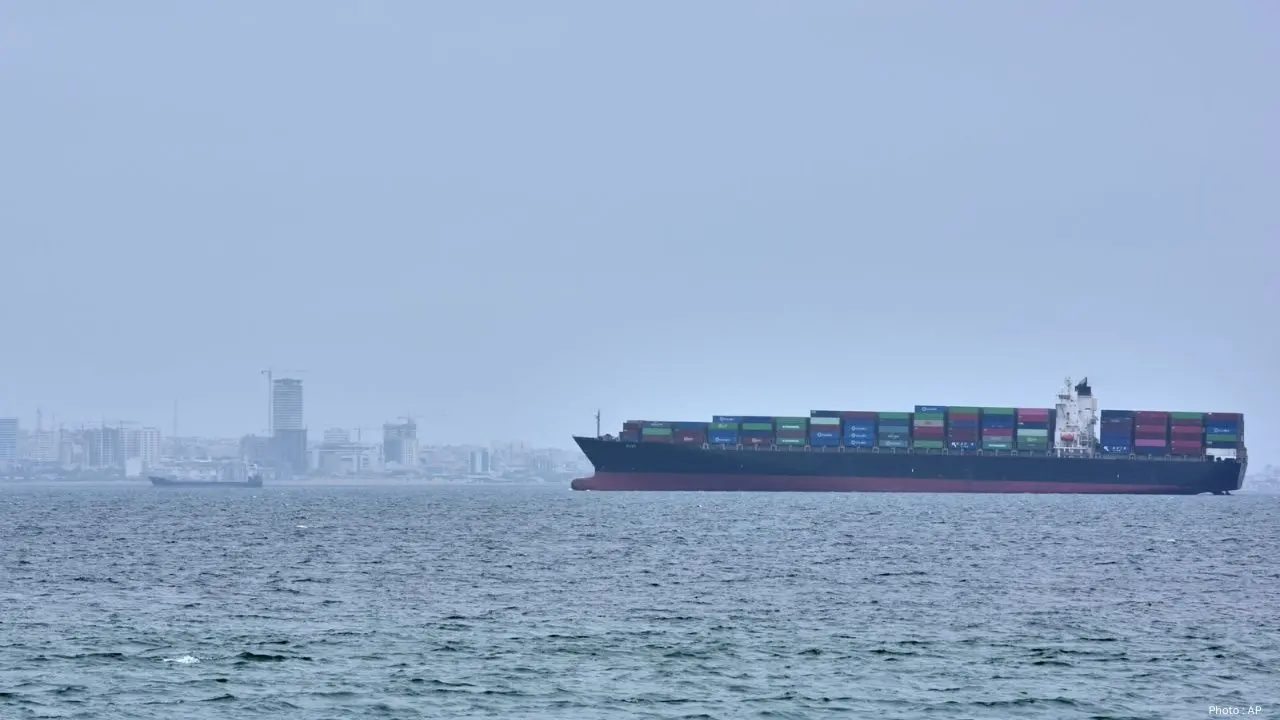
The Strait of Hormuz has emerged as a focal point of international anxiety, with increasing hostilities between Iran and the United States. As a crucial passage for oil transport globally, any disruption here poses risks to energy supply and economies around the world.
Shipping activity has noticeably diminished as security concerns mount. Affected by this precarious situation, oil tankers and cargo vessels are operating with greater caution, prompting some businesses to seek alternative routes. Such shifts have injected uncertainty into global markets, contributing to rising oil prices.
The strait accounts for a significant portion of the world's oil transportation. When this vital flow is compromised, repercussions ripple outward, particularly impacting nations reliant on oil imports, leading to increased costs that affect transportation, food prices, and everyday expenses.
This ongoing crisis is directly tied to escalating tensions between Iran and the US, as both nations bolster their military presence in the region. While the US aims to safeguard shipping routes, Iran remains assertive in its capacity to challenge maritime navigation in the strait, leading to a standoff without apparent resolution.
From an editorial perspective, the current crisis underscores the vulnerability of global trade routes. A minor disturbance in such key areas can yield extensive consequences for the global economy, exemplifying the tight interconnection between energy markets and geopolitical events.
Experts argue that ensuring security in the Strait of Hormuz presents formidable challenges. The narrow, busy waterway is difficult to manage fully, and evolving tactics such as the use of small boats and drones complicate the ability of significant naval forces to guarantee the safety of vessels.
Escalation remains a pressing worry; sustained tensions could incite a more extensive conflict that would disrupt both oil supplies and trade, exacerbating economic strain on various nations.
While some businesses consider alternative routes to bypass the strait, these options often prove costlier and less viable, ensuring that the Strait of Hormuz retains its status as a pivotal corridor for global energy.
The implications for developing nations are particularly dire; surging oil prices can trigger inflation, driving the cost of essential goods higher, thereby placing strains on families and hindering economic growth.
This crisis also highlights the necessity for robust diplomatic initiatives. While a military presence can manage immediate concerns, long-term stability hinges on open dialogue and collaborative efforts between nations.
The intensifying situation in the Strait of Hormuz transcends regional boundaries, becoming a pressing global issue that influences energy security, trade dynamics, and economic stability. The forthcoming days will play a crucial role in determining whether the tensions subside or escalate further.