President Donald Trump has intensified the debate surrounding the historic U.S. government shutdown, now in its 31st day, by publicly urging Senate Republicans to end the filibuster and force passage of a funding bill. The filibuster, a long-standing Senate rule, requires 60 votes to break debate and move to a final vote, effectively allowing the minority party—in this case, Democrats—to block legislation.
In a late-night social media post, Trump demanded Senate Republicans "INITIATE THE ‘NUCLEAR OPTION,’ GET RID OF THE FILIBUSTER," arguing that Democrats are leveraging the rule to prolong the shutdown while insisting on an extension of federal healthcare subsidies. With the Senate split 53-47 in favor of Republicans, the party lacks the supermajority needed to bypass Democratic obstruction.
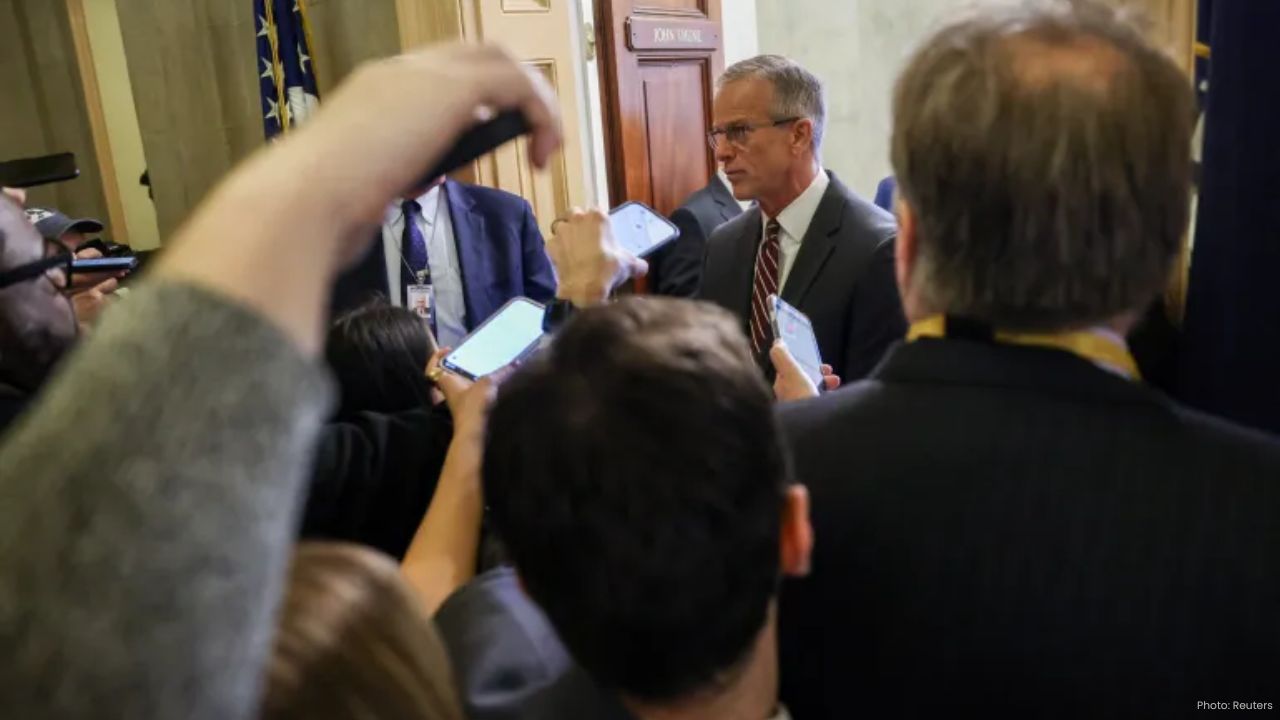
However, Trump’s call was swiftly rejected by key Republican leaders, many of whom have consistently opposed eliminating the filibuster. Senate Majority Leader John Thune and other senior GOP figures, including Senator John Barrasso and former leader Mitch McConnell, emphasized the importance of the filibuster in preserving Senate integrity and balance. They maintain that abolishing the rule would set a dangerous precedent, allowing future majorities to ram through partisan policies.
House Speaker Mike Johnson echoed this sentiment, acknowledging that while he understands Trump’s frustration, the filibuster remains a crucial safeguard in the legislative process. Utah Republican Senator John Curtis further emphasized that the rule compels lawmakers to seek bipartisan compromise, cautioning against short-term political gain at the expense of democratic principles.
Despite his public stance, Trump has not been actively engaged in direct negotiations to break the deadlock. Meanwhile, behind-the-scenes talks continue among bipartisan senators, but divisions remain stark. Democrats refuse to support reopening the government unless healthcare subsidies are extended, while Republicans insist that negotiations can only begin once the shutdown ends.
As the standoff continues, the impacts are cascading across the nation. Federal workers have missed paychecks, vital programs like SNAP food assistance face disruption, and airport delays are becoming widespread. Rising healthcare insurance costs—central to the current policy dispute—are amplifying public anxiety.
Senator Lisa Murkowski of Alaska voiced growing urgency from constituents, saying, “We are well past time to have this behind us.” But with no breakthrough in sight, the political impasse threatens to become the longest and most divisive shutdown in U.S. history.