The ongoing standoff between the United States and Iran is creating growing political and military pressure on President Donald Trump as the conflict continues without a clear victory or long-term solution. More than two months after the fighting and tensions sharply escalated, the Trump administration is still struggling to achieve many of its major war goals, raising concerns in Washington and among US allies.
According to recent reports, the United States and Iran remain locked in a tense deadlock despite repeated military operations, sanctions, and diplomatic efforts. While American and Israeli airstrikes reportedly weakened parts of Iran’s military infrastructure, several important objectives announced by the Trump administration remain unfinished. These goals included stopping Iran’s nuclear ambitions, reducing Iran’s regional influence, reopening the Strait of Hormuz fully, and increasing pressure for political change inside Iran.
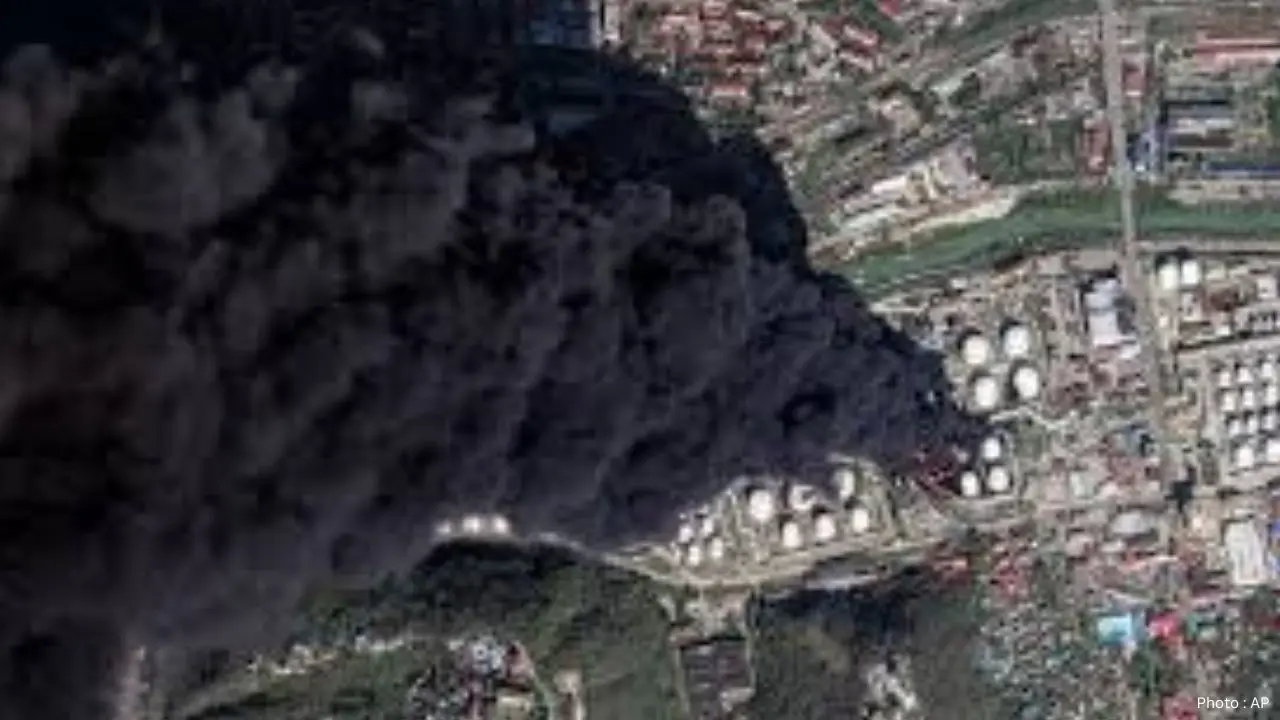
The conflict has also caused major economic concerns worldwide. Iran’s continued disruption around the Strait of Hormuz, one of the world’s most important oil shipping routes, has affected global energy markets and increased fuel prices internationally. Rising gasoline prices inside the United States are now becoming a political problem for Trump as Americans continue dealing with higher living costs and economic uncertainty. Analysts say prolonged instability in the Middle East could further damage public support for the administration ahead of the upcoming midterm elections.
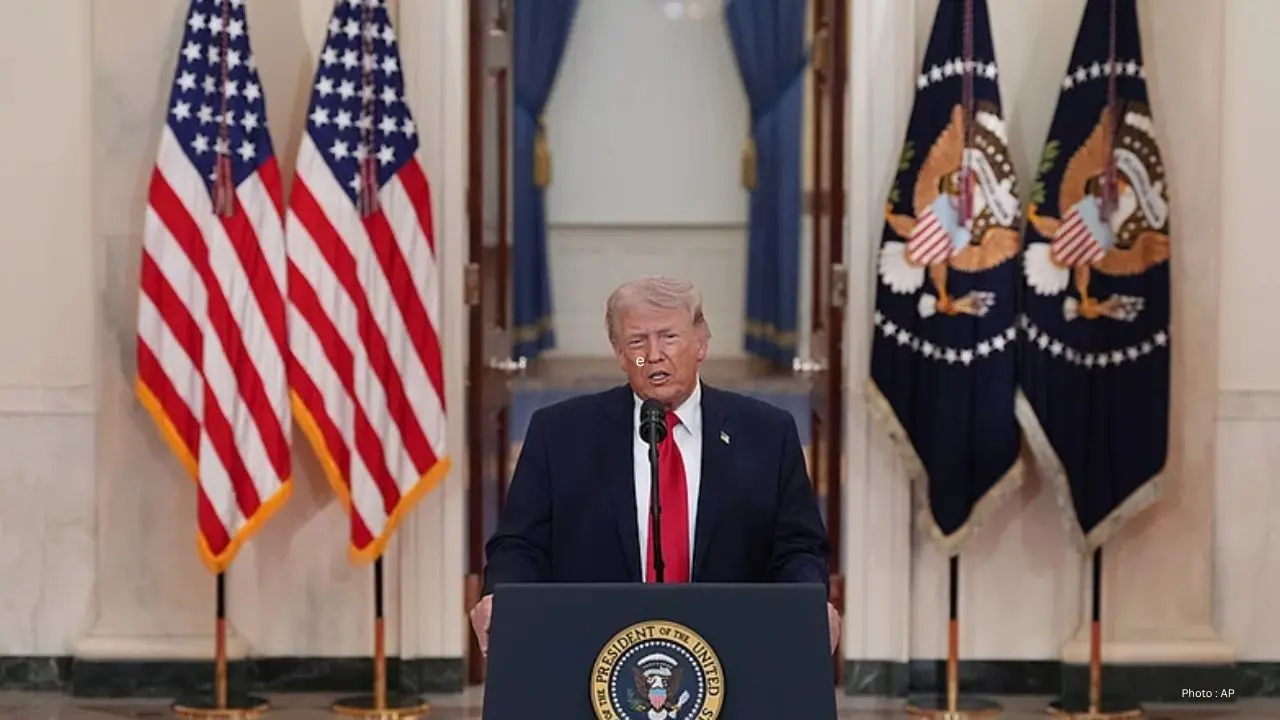
Even though Trump recently informed Congress that hostilities with Iran had “terminated” after a ceasefire agreement, critics argue that the situation remains far from resolved. US naval forces are still involved in operations linked to the blockade around Iran, and tensions remain high across the region. Several lawmakers from both political parties questioned whether the administration has a clear long-term strategy for ending the crisis.
Diplomatic efforts have also struggled to produce progress. Iran recently submitted a new proposal through Pakistani mediators in an attempt to restart negotiations with Washington. However, Trump publicly rejected the proposal, saying it failed to properly address concerns about Iran’s nuclear program and regional actions. Reports suggest Tehran wanted discussions about nuclear restrictions delayed until after a formal end to the conflict and reopening of maritime trade routes.
Political experts say the war has become increasingly difficult for Trump because expectations of a quick resolution have not been met. Some analysts believe the administration underestimated Iran’s ability to maintain pressure through regional influence, maritime disruption, and resistance to negotiations. Experts also warn that a long-term military and economic standoff could further strain US relations with allies in Europe and the Middle East.
At the same time, Iran continues to face serious internal economic problems caused by sanctions, military damage, inflation, and falling trade. However, Iranian leaders have remained publicly defiant and insist they will not accept conditions they consider unfair or threatening to national sovereignty. Iranian officials continue demanding the easing of sanctions and guarantees regarding future US military actions.
The conflict has also triggered debate inside the United States over presidential war powers. Some lawmakers argued that Trump bypassed Congress when military operations against Iran were expanded earlier this year. Although the administration claims the ceasefire paused the legal countdown requiring congressional approval, legal experts and opposition politicians continue challenging that interpretation.
International observers say there is currently no clear path toward either full peace or decisive military victory. Instead, the situation appears to be turning into a prolonged “no-war, no-peace” confrontation where both sides continue applying pressure without reaching a final settlement. Analysts believe this uncertainty could keep global markets unstable and increase security risks across the Middle East for months ahead.
As diplomatic negotiations remain stalled and military tensions continue, President Trump now faces increasing pressure to show results from a conflict that has already become one of the most difficult foreign policy challenges of his current presidency.