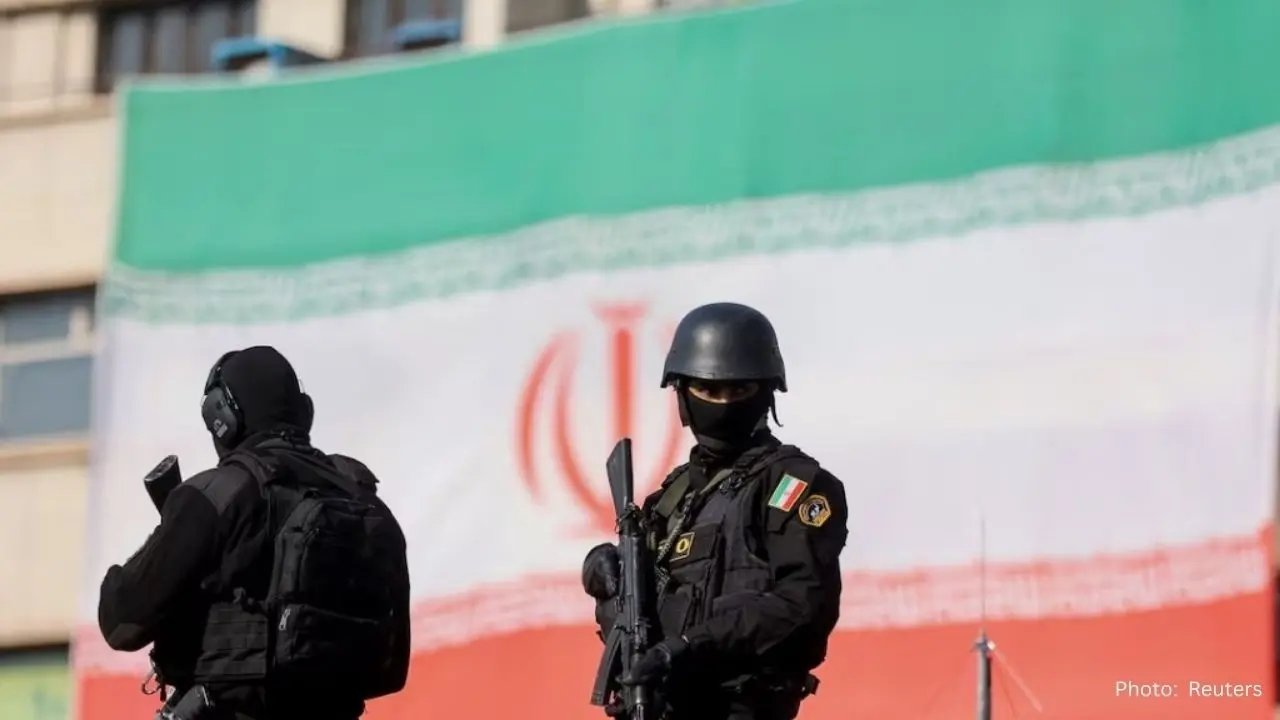
Iran is experiencing a significant internal upheaval, marked by nationwide protests challenging its clerical regime, which has drawn the attention of the United States. U.S. President Donald Trump is currently evaluating various response options, balancing warnings of military action with the possibility of diplomatic engagement.
Reports indicate that Iran has maintained communication with Washington, even as Trump considers a broad range of reactions to Tehran's violent crackdown on protesters. The ongoing demonstrations are considered one of the gravest challenges to Iran’s leadership since the 1979 Islamic Revolution.
The protests began in late December, sparked by soaring prices that have made life increasingly difficult for Iranians. What started as a protest against economic distress has evolved into calls for an end to clerical governance. Protests have erupted in multiple cities, with large turnouts observed despite government-imposed security measures.
Human rights organization HRANA reports at least 646 fatalities, with over 500 of those being protesters. Although these figures haven't been independently verified, distressing videos and reports from within Iran indicate a dire situation. Families of victims are reportedly gathering at cemeteries, voicing their dissent against the government.
In response, President Trump has issued strong statements and increased pressure, declaring that any nation conducting business with Iran may face a 25% tariff on exports to the United States. He has also cautioned Iranian officials that military action could occur if security forces persist in attacking protesters.
While Trump maintains that diplomacy is his preferred route, he has not ruled out other alternatives. These options could potentially encompass cyber actions, more stringent sanctions, or even military interventions, all of which carry significant risks given the proximity of military installations to civilian areas.
Amidst the harsh rhetoric, Iran's leaders assert that discussions with the U.S.are ongoing. Foreign Minister Abbas Araqchi confirmed that dialogue with U.S. envoy Steve Witkoff has continued before and after the protests, although he noted that Washington's threats complicate these conversations.
Iran blames the unrest on external forces, alleging that the U.S. and Israel are instigating violence. State media has focused on the assaults against security personnel, asserting that several mosques and ambulances have been vandalized. Officials claim that the situation is under control.
Thus far, there have been no evident fractures within Iran’s leadership or security apparatus. The protest movement itself lacks a central figure and is dispersed among various groups, making it difficult to organize and equally challenging to suppress.
This crisis is raising alarms beyond Iran’s borders, with oil prices surging due to fears that unrest and possible U.S. intervention could impede Iranian oil exports. Countries like China, which is a significant buyer of Iranian oil, have condemned Washington's unilateral sanctions.
Iran is still recuperating from last year's short yet intense conflict with Israel and the United States, which has weakened its military leadership and diminished its regional clout. These challenges augment the pressure on a government already facing substantial public dissatisfaction.
For now, global attention is unwavering. Trump's forthcoming actions could impact not only the future of Iran but also regional stability in the Middle East. Although communication channels remain open, the interplay of protests, threats, and mortality rates renders the situation precarious.
This moment exemplifies how domestic unrest can swiftly escalate into an international crisis. The nature of the upcoming trajectory, whether it leads towards dialogue or confrontation, will largely hinge on decisions taken in Washington and Tehran in the imminent future.