Photo:Reuters
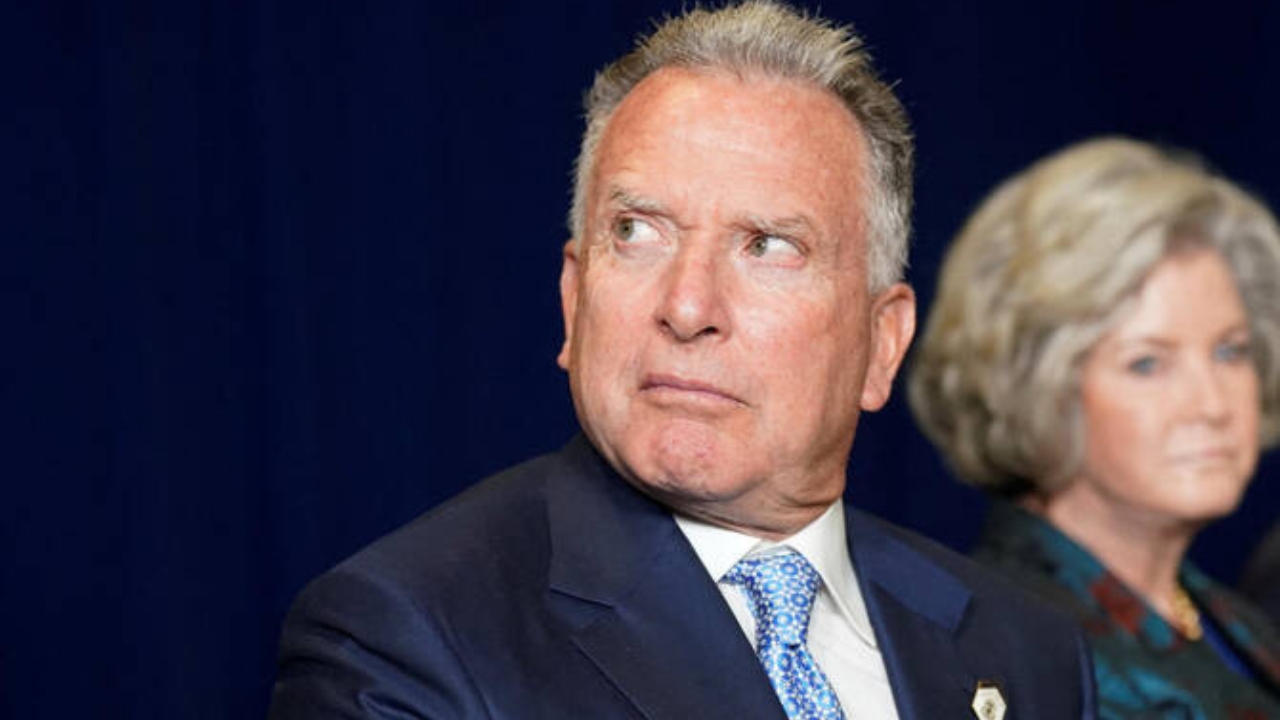
In recent weeks, signs of new diplomatic activity have emerged in the Middle East, and now Donald Trump’s special envoy, Steve Witkoff, has declared that a breakthrough could be close. His statement has brought fresh attention to efforts aimed at easing long-standing tensions in one of the world’s most unstable regions. While his words raised expectations, many are asking whether optimism will translate into concrete results.
A Region in Deep Conflict
For decades, the Middle East has been at the heart of some of the world’s most complex disputes. The conflict between Israel and the Palestinians has not only left generations scarred but also prevented genuine peace from taking root. Other issues, such as tensions with Iran, rivalries among Gulf states, and frequent outbreaks of violence, have further complicated the situation.
Any attempt at peace needs not just open communication but also trust, compromise, and the willingness of leaders to break away from years of political deadlock. Witkoff’s claim that progress is close suggests there has been movement behind closed doors — something the public rarely hears about until results appear.
The Role of Trump’s Team
Donald Trump, during his presidency, placed heavy importance on Middle East diplomacy. His administration oversaw the “Abraham Accords,” which normalized ties between Israel, the UAE, and Bahrain, followed later by Sudan and Morocco. That, at the time, was described as a major victory for U.S. diplomacy and was one of Trump’s most significant achievements in foreign policy.
As Trump now positions himself again on the international stage, continuing his influence through envoys like Steve Witkoff, it is clear that he wants to expand these earlier efforts. The current discussions, according to Witkoff, are not limited to one issue but could involve multiple regional players. His remarks hint at wider efforts that might involve Israel, Arab nations, and Palestinian representatives.
Secrecy Around the Talks
While Witkoff has spoken of a “breakthrough,” little official detail has been made public. This secrecy is not unusual. Most peace negotiations in the region take place in private, shielded from media attention, to allow discussions without outside pressure. However, it also raises questions. Without transparency, it is difficult to judge how real the progress is, or whether it is more about creating momentum than announcing a near-term deal.
Still, leaks from those close to the talks suggest that the focus is on reducing hostilities, improving communication, and laying the foundation for broader agreements. Even small steps — such as easing restrictions, halting clashes, or setting up new security arrangements — could be viewed as progress in a region where mistrust dominates everyday politics.
Challenges to Peace
Despite the optimism from Trump’s envoy, experts warn that obstacles remain.
-
Deep Mistrust: Years of conflict between Israel and Palestinian groups, along with political divisions in both societies, mean achieving consensus is difficult. Hardliners on all sides remain opposed to compromise.
-
Regional Power Plays: Iran, Saudi Arabia, and other influential states often pursue their own strategic interests, making cooperation complicated.
-
Leadership Pressures: Political leaders face resistance at home. Any move toward concessions can trigger backlash, weakening their ability to push agreements forward.
-
Humanitarian Crisis: Violence has displaced countless families, and instability affects the daily lives of millions. Without addressing these realities, even strong agreements risk falling apart.
These challenges underline how fragile diplomatic efforts often are. It is one thing to bring leaders to the table and another to turn words into lasting results.
Why This Moment Matters
Even with obstacles, Witkoff’s comments highlight an important truth: momentum in peace processes is rare, and when it appears, it must be used quickly. With ongoing unrest in Gaza, rising tensions in Lebanon, and security threats faced by Israel and its neighbors, new dialogue is needed.
If Trump’s team can help establish even a partial breakthrough — such as a freeze on violence, humanitarian access, or renewed negotiations on statehood issues — it could begin to change the course of the conflict. Such steps may not resolve the crisis overnight, but they could create openings for deeper talks and trust-building.