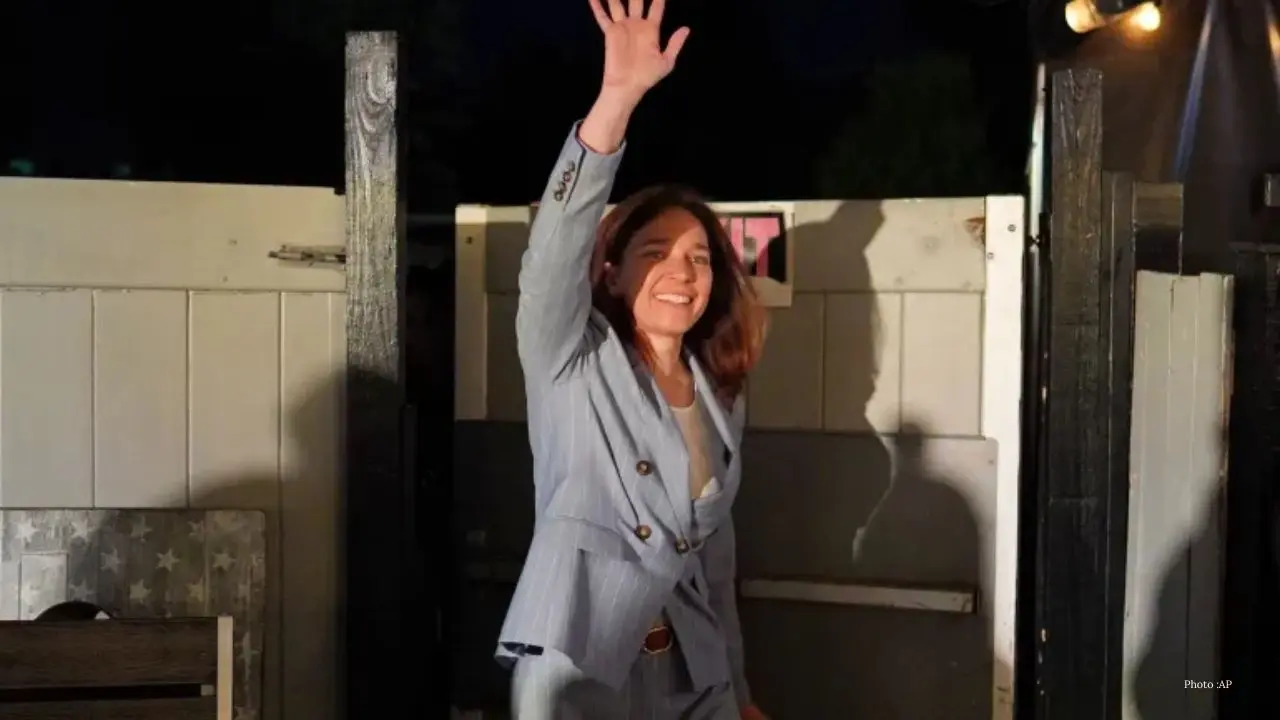
The latest round of primary elections across the United States has delivered an important political message as President Donald Trump's long-running endorsement success streak came to an end. While Trump continues to hold significant influence within the Republican Party, several races showed that his backing is no longer a guaranteed path to victory, highlighting changing dynamics ahead of the 2026 midterm elections.
For years, candidates endorsed by Trump have enjoyed strong support from Republican voters. His influence helped many contenders win party nominations and secure key positions at both state and national levels. However, the most recent primary contests produced a different outcome, with at least one high-profile Trump-backed candidate falling short despite receiving strong public support from the president. Political observers say the result is one of the clearest signs yet that Republican voters are beginning to focus more on local issues and candidate qualifications rather than endorsements alone.
The primary results do not suggest that Trump's political influence has disappeared. In many races, candidates he supported still performed strongly and won their contests. Nevertheless, the end of his winning streak has become a major talking point because it demonstrates that endorsements may have limits, particularly in highly competitive races where local concerns play a significant role in voter decision-making.
Analysts note that several factors contributed to the outcome. Voters in some states appeared more focused on economic issues, healthcare, education, and local governance than on national political debates. In addition, some candidates successfully built independent campaign identities, allowing them to appeal to a broader group of voters beyond traditional party loyalists. This strategy helped certain challengers overcome the advantages normally associated with a presidential endorsement.
The results also offer insight into the current state of the Republican Party. While Trump remains the party's most influential figure, the primaries showed that there is room for different political voices and approaches within the GOP. Some candidates emphasized strong alignment with Trump's agenda, while others focused on regional priorities and practical policy solutions. The mixed outcomes suggest that Republican voters are weighing multiple factors when choosing their representatives.
Democrats are also closely studying the results. Party strategists believe that competitive Republican primaries could create opportunities in upcoming elections, especially in districts where moderate and independent voters may play a decisive role. However, many political experts caution against reading too much into a single election cycle, noting that Trump continues to command a loyal voter base and remains one of the most powerful figures in American politics.
Another key takeaway from the primaries is the growing importance of grassroots campaigning. Candidates who spent significant time engaging directly with voters, addressing local concerns, and building community support often performed better than expected. This trend reflects a broader shift in American politics, where personal connections and local credibility can sometimes outweigh national endorsements and media attention.
As the United States moves closer to the 2026 midterm elections, both Republicans and Democrats will analyze these results for clues about voter priorities and political momentum. For Trump, the end of his endorsement streak may represent a temporary setback rather than a major defeat. Even so, the outcome serves as a reminder that electoral success depends on a combination of factors, including campaign strategy, candidate quality, voter engagement, and local political conditions.
The latest primaries have therefore provided an early glimpse into the challenges and opportunities that lie ahead. While Trump's influence remains strong, the results suggest that voters are increasingly making independent choices, setting the stage for a highly competitive election season across the United States.