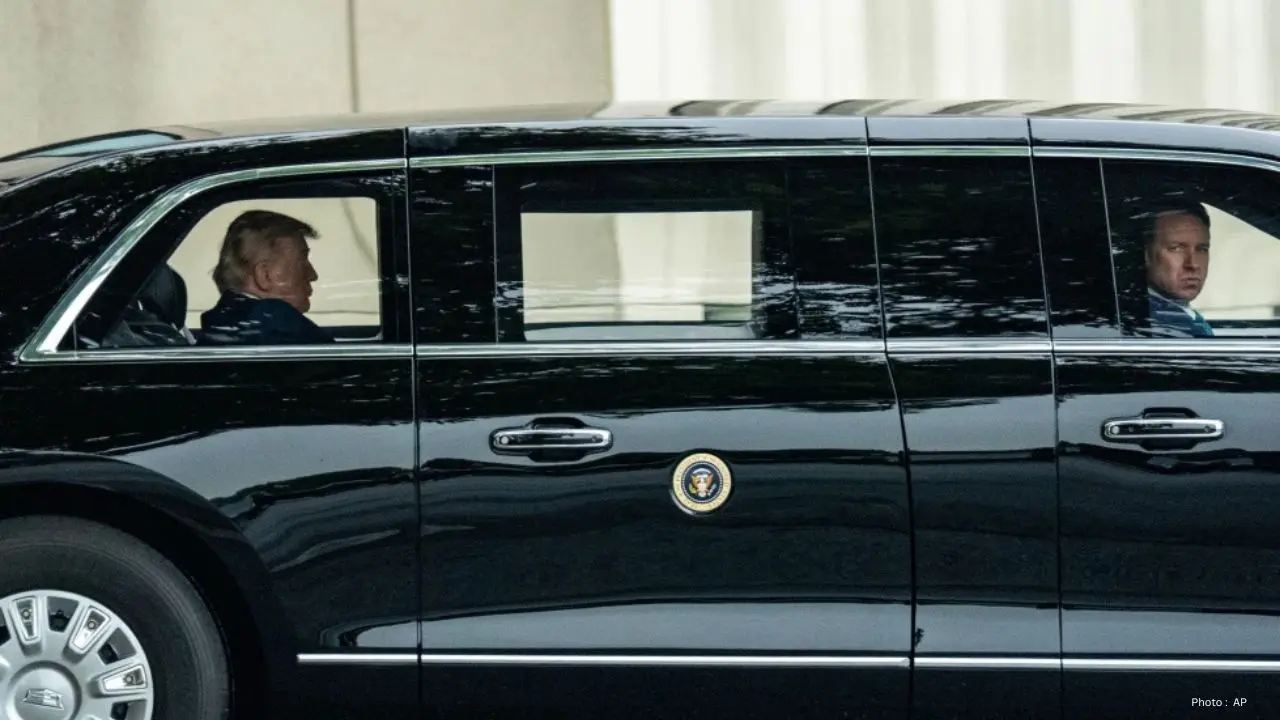
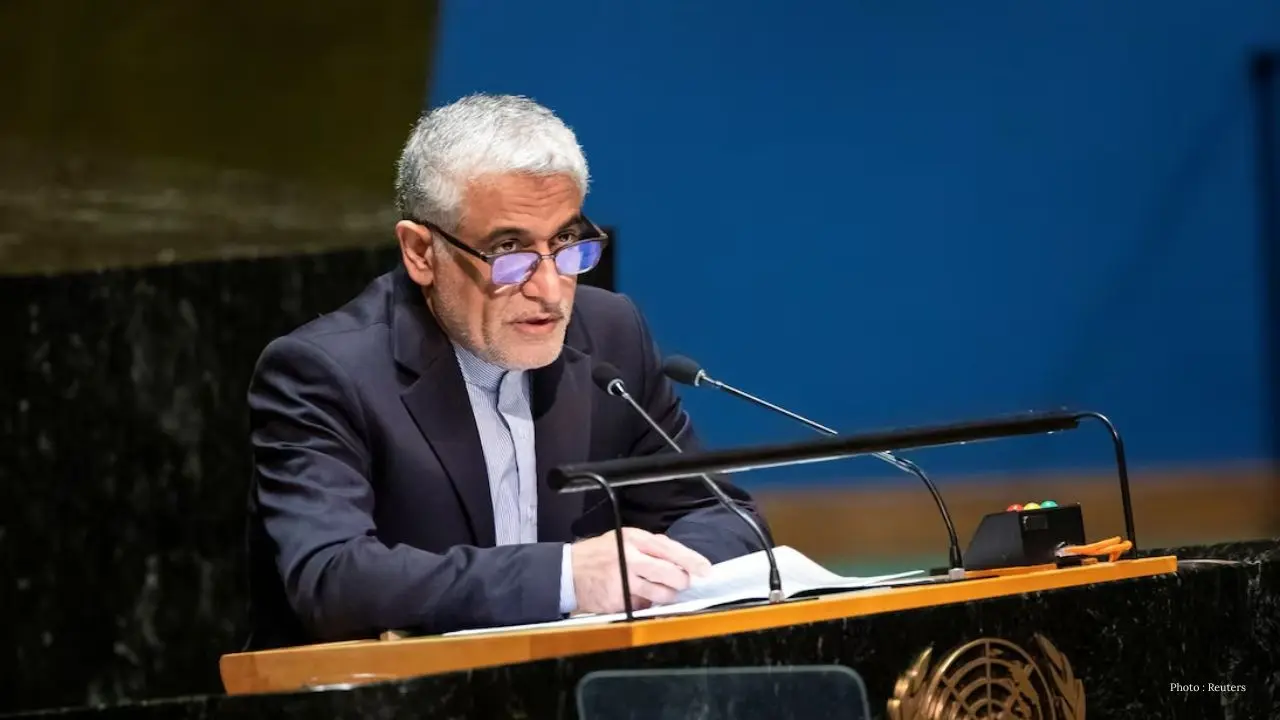
In a recent cabinet session, Donald Trump took time to address the pressing issue of Iran's nuclear program, highlighting the growing concerns about international security and regional stability that surround this sensitive topic. The discussions underscored nuclear policy as a critical focal point in the realm of global politics.
The meeting revolved around updates related to Iran's nuclear initiatives and their potential effects on international relations. U.S. officials are closely monitoring developments due to worries about uranium enrichment and the broader impacts on regional security and future diplomatic talks.
For years, Iran's nuclear ambitions have been at the forefront of global diplomatic discourse, with various nations expressing trepidation over the potential for heightened instability should negotiations fail to yield sustainable outcomes.
Topics discussed in the cabinet included strategies for diplomacy, sanctions enforcement, and international collaborative efforts. Experts in security emphasize the significance of such gatherings, as decisions related to nuclear policy can have far-reaching implications for military strategies, economic resilience, and international relations.
Washington's relationship with Tehran has long been fraught with complexity, as political differences, sanctions, and military tensions hinder diplomatic advancement between the two nations.
International accords concerning Iran's nuclear endeavors have encountered numerous hurdles over the years. Initial agreements aimed at curbing nuclear proliferation in exchange for lifted sanctions and economic relief faced instability due to compliance disputes and shifting political landscapes.
Global analysts stress the gravity of the issue, noting that any escalation could trigger rippling effects on not just regional security but also international trade and energy markets. Political unrest frequently translates to fluctuations in oil prices, transportation logistics, and investor confidence.
Imposed economic sanctions on Iran have significantly impacted trade dynamics and financial activities, affecting both local economic conditions and worldwide commercial relationships.
Political analysts suggest that high-level meetings focusing on nuclear matters showcase how seriously nations regard this issue. International security considerations typically necessitate collaboration among defense officials, diplomats, intelligence, and economic advisers.
The nuclear discourse intertwines with broader geopolitical shifts, including regional conflicts and alliances among major world powers. Ongoing events in adjacent regions continue to inform international diplomatic strategies.
Experts stress the necessity for dialogue and ongoing communication, asserting that negotiations typically remain essential to mitigating risks and preventing military confrontations, even amid disagreements.
Public sentiment in various nations shows division on how to approach Iran's nuclear ambitions. While some advocate for deeper diplomatic engagement and negotiated resolutions, others call for tougher sanctions and increased pressure.
International bodies have persistently advocated for peaceful negotiations and transparent monitoring systems designed to avert nuclear escalation, urging for restraint and diplomatic resolution.
Security analysts caution that prolonged uncertainty regarding nuclear policies may lead to heightened pressures on international markets and destabilize the region. Businesses and investors are vigilant about geopolitical dynamics, as these factors can influence trade routes, energy costs, and economic forecasting.
This discourse further underlines the relevance of foreign policy issues in American political discussions. Nuclear diplomacy remains closely tied to national security and broader strategic interests.
Observers predict that future negotiations will demand patience and robust international cooperation, highlighting the need for clear communication among all parties involved. Rebuilding trust following years of political discord represents one of the most daunting challenges in diplomatic initiatives.
Economic advisors point out that geopolitical strains often breed uncertainty for businesses and financial markets. Generally, stable diplomatic ties are considered essential for fostering long-term economic confidence and facilitating global trade.
The cabinet meeting illustrates that the matter of Iran's nuclear activities continues to pose a significant influence on international diplomacy and strategic decision-making. Governments worldwide remain dedicated to striking a balance between security imperatives and diplomatic outreach.