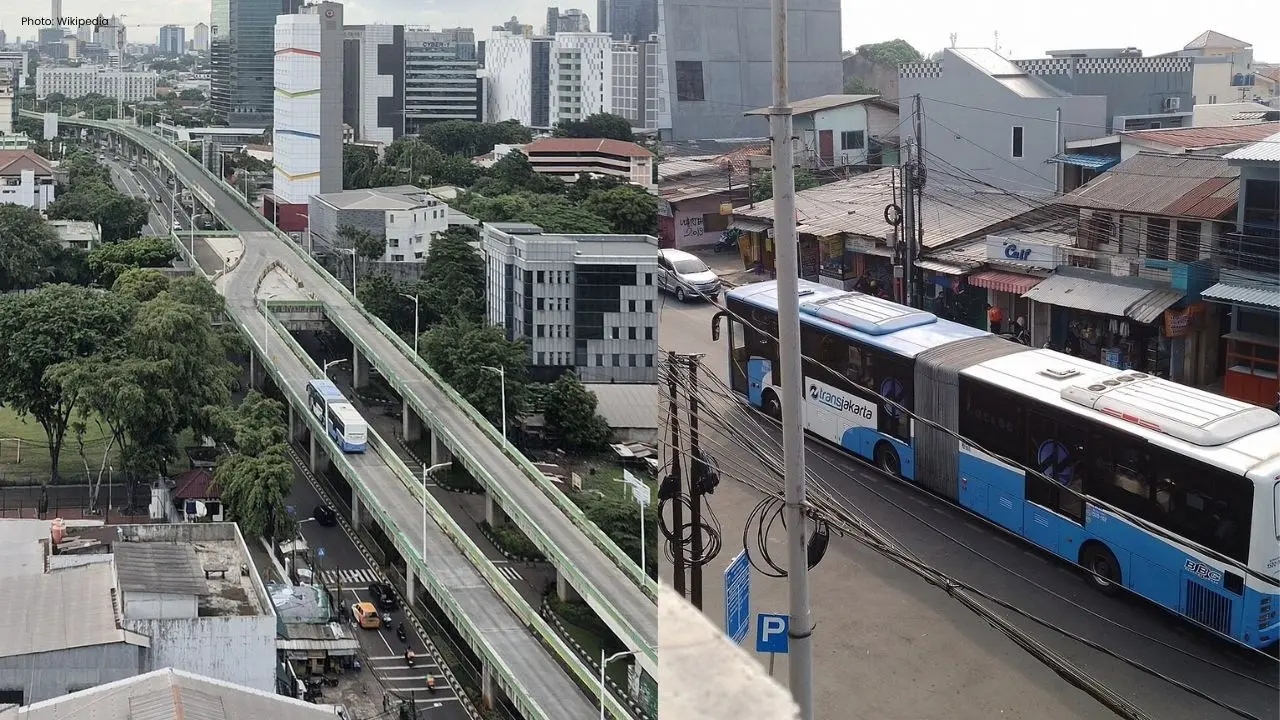
TransJakarta is evolving beyond its role as mere public transit; it's becoming a vital economic force in Indonesia. A recent analysis reveals the significant contributions of this network to the national economy while also alleviating the daily travel hassles faced by Jakarta commuters.
Research from the University of Indonesia’s Institute for Economic and Social Research shows that the economic returns provided by TransJakarta far exceed the subsidies it has accepted. From 2015 to 2024, the network will have received Rp 23.1 trillion in subsidies, yet it is poised to generate Rp 73.8 trillion in national economic output, along with Rp 33.9 trillion in added economic value—a clear demonstration of its multiplier impact.
For daily commuters, the advantages are both tangible and significant. Residents in Jakarta enjoy a noticeable reduction in transportation expenses, while those coming from nearby areas benefit from similar cost savings, making public transit a more appealing alternative to private car travel.
These findings question the conventional transport strategies in Indonesia, which have typically prioritized fuel subsidies and road expansions. While these policies may offer temporary solutions, they often exacerbate long-term challenges such as traffic congestion, environmental pollution, and increased reliance on foreign fuel sources.
TransJakarta presents a more sustainable approach that tackles diverse urban issues effectively. It not only enhance mobility but also mitigates environmental impacts and fosters economic growth across various sectors.
In addition to the direct savings for commuters, the network aids in job creation and enhances public health. It's estimated to generate tens of thousands of jobs every year while simultaneously lowering healthcare costs due to improved air quality from reduced emissions.
The success story of TransJakarta underscores the importance of investing in public transport infrastructure for broad-ranging economic and social enhancements. It calls for a reassessment of priorities among policymakers to emphasize integrated transit solutions that advocate for both economic and environmental advancement.