Revolutionary Dining: Embracing Technology
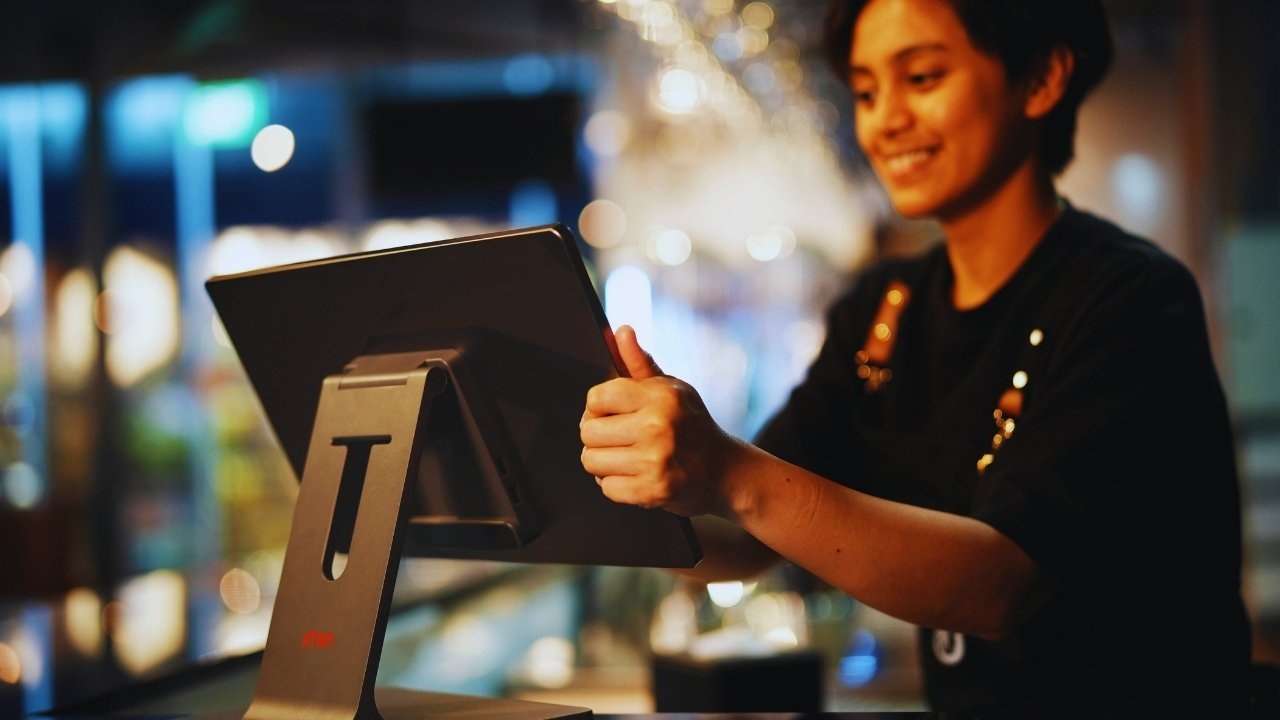
Recent restaurant unveilings show a clear pivot towards technology that enhances the dining experience. New patrons are discovering that traditional dining elements are undergoing a digital transformation, where choosing and ordering food is now linked to interactive digital tools.
While technology has always been part of restaurant operations, its role has significantly evolved. No longer just supportive, tech solutions are now integral to how diners explore menus, become engaged with brands, and soak in the dining atmosphere.
This season's focus is on innovations like contactless menus and AR tasting experiences, reshaping how customers browse, order, and understand their meals. These advancements infuse excitement and convenience into the act of dining out.
Cultural Shifts Fueling Tech-Driven Dining
Understanding the ascent of technology in restaurants requires insight into modern diner expectations. Today’s guests prioritize speed, hygiene, and clarity, while still valuing an enjoyable atmosphere and quality service. They demand seamless interactions, swift dish discovery, and greater autonomy over their dining experience.
Here are the key reasons behind the surge in tech adoption:
-
Familiarity with Digital Tools: Guests are adept at navigating menus via smartphones.
-
Hygiene Considerations: Guests prefer not to handle communal menu items.
-
Instant Updates: Restaurants can modify specials and pricing without delay.
-
Novel Experiences: Technology sparks curiosity and encourages discussions among diners.
-
Engaging Storytelling: AR offers creative presentations of menu items.
The result is a harmonious blend of hospitality and technology, fostering connections rather than replacing them.
Contactless Menus: A New Standard
Contactless menus have become a staple in modern dining establishments. Diners can scan a QR code on their table, allowing them to view the full menu on their devices, which goes beyond just convenience.
Benefits Enthusiastically Discussed by Diners
1. Hygiene and Cleanliness
Guests appreciate the cleanliness of not handling frequently touched menus, as scanning feels seamless and hygienic.
2. Accurate Information
Unlike printed menus, digital versions are always up to date, reducing the chance of ordering unavailable items.
3. Enhanced Visuals
Menus featured with sharp images and notes help patrons make better-informed decisions.
4. Language Options
Menus that adjust to different languages facilitate easier ordering for tourists and diverse groups.
5. Customization & Allergens Visibility
Features enabling diners to view ingredients and easily customize options are increasingly popular.
The Diner’s Experience with Contactless Menus
The scanning experience is rapid; within moments, the entire menu becomes accessible, often much clearer than a physical version. Patrons value the control this presents over their browsing—no more constant server interruptions.
While there is still affection for traditional menus, recent diners agree—the shift to contactless options enhances their overall experience.
AR Tasting: A Leap Forward in Dining
Augmented Reality (AR) adds a remarkable twist to traditional dining. It allows guests to visualize dishes in lifelike 3D before placing an order, eliminating guesswork regarding portion sizes and presentation.
Why AR Tasting Is Captivating Diners
1. Eliminating Uncertainty
With AR tasting, diners no longer need to wonder how their meal will appear; they can see an accurate representation.
2. Building Trust
Visual confirmation boosts confidence in what they’re ordering, enhancing their overall dining experience.
3. Engaging and Playful
This technology creates an atmosphere of fun as diners explore dishes interactively.
4. Dietary Clarity
Those with dietary restrictions appreciate the ability to virtually inspect ingredients.
5. Inspiring Culinary Exploration
AR tasting encourages customers to try new dishes by providing visual reassurance.
User Experiences of AR Tasting in Restaurants
Diners at new venues describe using AR as almost magical. Upon scanning a dish, an enticing 3D model appears—so lifelike that it evokes anticipation as if the meal is ready to serve.
Many enjoy being able to rotate and inspect dishes, gaining a deeper understanding of the artistry involved.
Sharing these AR moments on social media has become a trend, making dining an exciting blend of culinary delight and digital engagement.
The Impact of Tech on Ordering Behavior
Restaurants adopting these technologies have noticed a shift in customer behaviors: patrons take greater time engaging with visuals, often making selections they typically might overlook. The clarity afforded boosts the likelihood of adventurous ordering.
Observations of Evolving Ordering Habits
-
Patrons are more inclined to select premium offerings.
-
Shared dishes are increasingly common as diners confidently visualize portions.
-
Items accommodating allergens gain traction.
-
Rapid ordering emerges as diners grasp the menu layout.
-
Younger guests dive into diverse categories, driven by aesthetics.
Technology not only informs diners but actively shapes their selections.
The Emotional Reward: Tech Enhancing Hospitality
Even as digital elements become prevalent, the significance of personal service remains paramount. The aim is not to replace human interaction, but to enhance engagement and allow diners to feel empowered while enjoying their meal.
Balanced Sentiment from Diners on Human-Tech Interaction
-
Staff can prioritize providing service instead of repetitive explanations.
-
Fewer interruptions allow diners to summon help only when necessary.
-
Technology informs while the human element fuels warmth.
-
Restaurants can operate efficiently without losing their personal touch.
This balance reflects why customers at recent launches view these technological advancements as enhancements to their experience.
Business Perspective: The Significance of New Tools
On a business level, contactless menus and AR tasting effectively address longstanding challenges:
-
Eliminating the need for printed menus which lag behind price changes.
-
Reducing the time staff spend repeating menu descriptions.
-
Creating opportunities for natural upselling via visuals.
-
Fostering a stronger sense of engagement within diners, promoting brand loyalty.
-
Collecting data in real-time to monitor popular selections.
Restaurants harnessing these tools are recognized as contemporary and considerate—attributes greatly valued by diners.
Navigating Challenges in Adoption
Despite the advantages, eateries are contending with specific challenges:
1. Concerns Over Digital Fatigue
Some diners favor offline experiences and worry about an excessive reliance on screens.
2. Varied Tech Comfort Levels
While younger patrons adapt easily, older diners may have reservations.
3. Dependence on Connectivity
These features require stable internet access, which can pose limitations.
4. Balancing Expectations
It’s crucial that images and AR models accurately mirror actual dishes to prevent disappointment.
Restaurants are actively working on these challenges to ensure a smooth transition.
Forward-Looking: The Future of Dining
The current trend indicates a profound shift in dining culture, with the integration of interactive technology. As restaurants increasingly adopt these tools, diners will naturally anticipate more transparency, clarity, and innovative experiences.
Potential advancements may encompass:
-
Tabletop AR projections
-
Smart plates that recognize items
-
Virtual introductions from chefs
-
Interactive recommendations for pairings
-
Multi-sensory experiences enriched by technology
Dining will gradually transform into a uniquely engaging venture—melding culinary delight with storytelling and digital interaction.
Final Thoughts
The recent wave of restaurant openings underscores the importance of technology in enhancing the dining experience. Contactless menus improve hygiene and clarity, while AR tasting offers an exciting preview of meals, reducing uncertainties and promoting engagement.
These advancements don’t overshadow the essence of hospitality; they amplify it. By enriching the flow of information and visuals, staff can focus on delivering personal service.
As diners continue to embrace this fusion of technology and tradition, innovative restaurants will undoubtedly shape the future landscape of urban gastronomic culture.
Disclaimer:
This article serves general editorial purposes and reflects prevailing technological trends observed among recent restaurant openings. Individual experiences may vary.