Transform Your Fitness: The Complete Bodyweight Workout Guide
Disclaimer
This article is for informational and educational purposes only. Always consult a healthcare professional or certified fitness trainer before starting any new exercise routine, especially if you have pre-existing health conditions or injuries.
Introduction
Achieving fitness doesn’t require a gym membership or elaborate gear. In fact, the most effective exercises only require your own bodyweight.
Whether you're at home, on the road, or simply opting to stay away from crowded gyms, this bodyweight workout plan is here to help you build strength, enhance endurance, and increase flexibility—without any cost or the need to venture outside.
Let’s explore the science, framework, and strategy that make up the ultimate bodyweight workout plan to achieve real results.
Why Bodyweight Training is Effective
Bodyweight workouts highlight functional movements—actions imitative of real-life activities like pushing, pulling, or squatting. This approach not only fosters lean muscle development but also enhances mobility, balance, and coordination.
Key Advantages Include:
-
Natural strength gains: Engage multiple muscle groups simultaneously.
-
Endurance enhancement: Elevate cardiovascular fitness and stamina.
-
Flexibility improvement: Movement patterns enhance mobility and joint health.
-
No equipment needed: Workout anywhere, at any time.
-
Reduced injury risk: Gentler on joints compared to heavy weightlifting when executed properly.
Consequently, bodyweight training is suitable for everyone—from beginners to seasoned fitness fans.
The Core Approach: Gradual Challenge Without Weights
Just like at the gym, you must gradually challenge your muscles for growth.
With bodyweight workouts, difficulty can be ramped up by:
-
Increasing repetitions or sets
-
Altering the tempo of movements (time under tension)
-
Shortening rest intervals
-
Trying more challenging variations (e.g., moving from knee push-ups to full push-ups)
The aim is straightforward: progressively push your limits while maintaining proper form.
The Ultimate Bodyweight Workout Plan
This 5-day split effectively balances strength, endurance, and recovery. Repeat it each week and modify intensity as you progress.
Day 1: Upper Body Strength (Push Dominance)
Goal: Fortify chest, shoulders, and triceps.
Workout:
-
Push-ups – 4 sets of 12–15 reps
-
Incline Push-ups (hands on bench or wall) – 3 sets of 15 reps
-
Dips (using a sturdy chair or surface) – 3 sets of 10–12 reps
-
Pike Push-ups (for shoulders) – 3 sets of 10 reps
-
Plank Shoulder Taps – 3 sets of 30 seconds
Tip: Maintain a straight body alignment and control each repetition for optimal muscle engagement.
Day 2: Lower Body Power (Legs & Glutes)
Goal: Enhance leg strength, stability, and lower body endurance.
Workout:
-
Bodyweight Squats – 4 sets of 20 reps
-
Lunges (each leg) – 3 sets of 15 reps
-
Glute Bridges – 3 sets of 20 reps
-
Wall Sit – 3 rounds of 45 seconds
-
Calf Raises – 4 sets of 25 reps
Tip: Emphasize slow, deliberate movements. Add jumps to squats for an explosive effect.
Day 3: Core & Mobility
Goal: Fortify the core while enhancing flexibility and posture.
Workout:
-
Forearm Plank – 3 rounds of 45 seconds
-
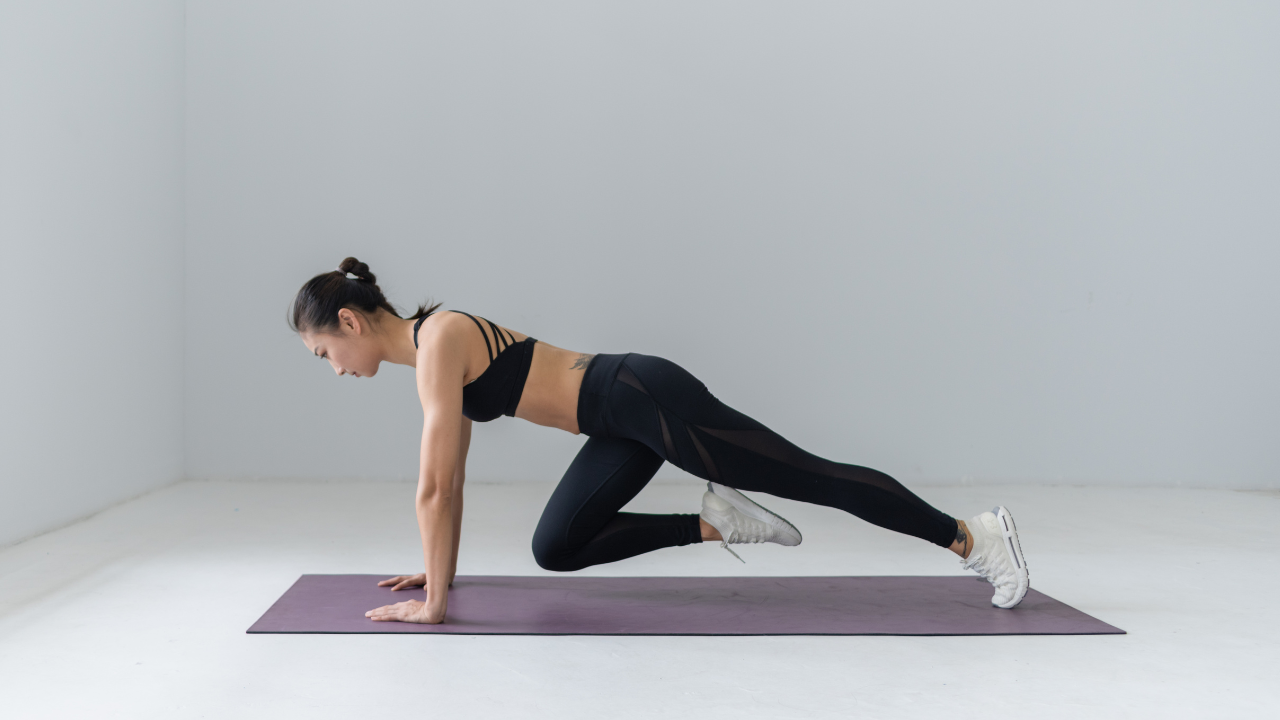
Mountain Climbers – 3 sets of 30 seconds
-
Flutter Kicks – 3 sets of 20 reps
-
Leg Raises – 3 sets of 15 reps
-
Bird-Dog – 3 sets of 12 reps per side
Conclude with 10 minutes of yoga-inspired stretches to relieve tight hips, back, and shoulders.
Day 4: Total Body Burn (Cardio & Conditioning)
Goal: Elevate heart rate and calorie expenditure efficiently.
Circuit (Repeat 3–4 rounds):
Tip: Rest for 1 minute between circuits. This mirrors a HIIT-style session—ideal for fat loss and endurance.
Day 5: Active Recovery & Stretch
Goal: Facilitate recovery, enhance flexibility, and promote relaxation.
Routine:
-
10-minute brisk walk or light jog
-
Dynamic stretches (arm swings, leg swings, torso rotations)
-
Static stretches (hamstrings, hips, back, chest)
-
Deep breathing or guided meditation
Tip: Never forgo recovery. Your muscles develop and mend during rest periods, not exclusively during workouts.
Weekly Schedule Example
| Day |
Focus |
| Monday |
Upper Body Strength |
| Tuesday |
Lower Body Power |
| Wednesday |
Core & Mobility |
| Thursday |
Cardio & Conditioning |
| Friday |
Active Recovery |
| Saturday |
Optional Light Workout |
| Sunday |
Rest |
Bonus: How to Maintain Motivation Without a Gym
-
Set achievable milestones: Monitor progress weekly—such as extending plank duration by 10 seconds.
-
Incorporate music or timers: Helps maintain a consistent rhythm and energy level.
-
Find a workout buddy or group: Building accountability fosters consistency.
-
Celebrate all victories: Every push-up or squat contributes to your long-term evolution.
Remember: discipline surpasses motivation. Short, regular sessions can yield better results than sporadic intense workouts.
Nutrition for Optimal Progress
Bodyweight training achieves its potential only when complemented by sound nutrition.
-
Focus on protein: Lean meats, eggs, tofu, or legumes support muscle recovery.
-
Stay hydrated: Dehydration diminishes performance and energy levels.
-
Choose whole foods: Avoid processed snacks; select complex carbohydrates and healthy fats.
-
Prioritize rest: Sleep is essential for recovery.
Conclusion
Strength training doesn’t necessitate weights or machines—it requires dedication, consistency, and strategic training.
This complete bodyweight workout guide gives you the power to steer your fitness journey from your living room, a park, or a hotel room.
Begin today, track your progress, and witness how your energy, posture, and confidence evolve—no gym needed.