Understanding the Significance of Makar Sankranti in India
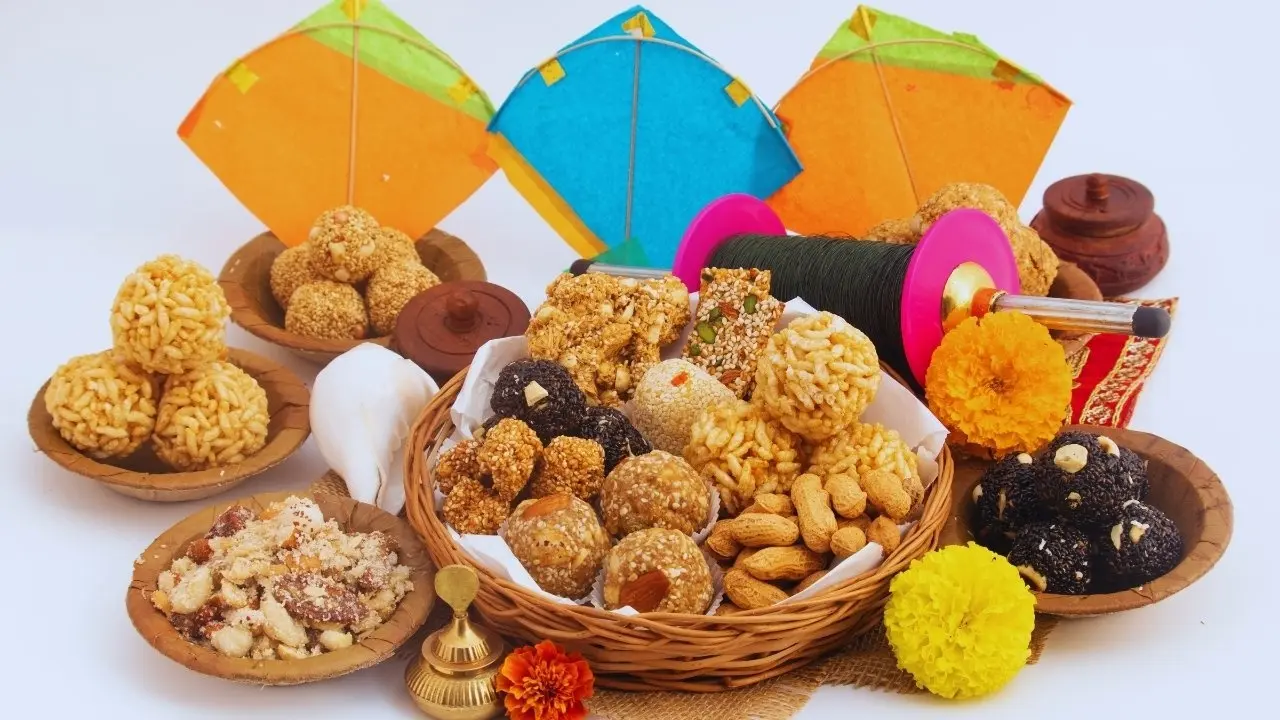
Makar Sankranti holds a special significance as it is celebrated based on the solar calendar, occurring each year around mid-January. The festival symbolizes the sun's northward journey, known as Uttarayan. This transition is deemed auspicious in Hindu culture and marks the conclusion of winter harvest, ushering in gratitude and optimism.
What sets Makar Sankranti apart is its flexibility to adapt to local cultures while maintaining its essential symbolism. Across India, the same celestial event is honored under different names and through various customs. While some regions engage in kite flying, others gather for sacred river rituals, and many focus on preparing celebratory harvest meals at home. Together, these diverse celebrations are a testament to India's rich cultural mosaic.
The six destinations detailed below beautifully represent the vibrant spirit of Makar Sankranti, making them perfect spots to witness the festivities.
Ahmedabad: A Sky Full of Kites
The Joy of Kite Flying
Makar Sankranti in Ahmedabad is all about kite flying, turning the city into a vibrant open-air celebration with its skyline dotted with colorful kites. From dawn to dusk, participants of all ages engage in friendly competitions, cheering each other on as kites soar through the air.
Kite flying transcends mere entertainment here; it's an ingrained cultural tradition. Families prepare days ahead, amassing kites and glass-coated strings while conversations fill the air across rooftops.
Community Spirit and Culinary Delights
Food plays a crucial role in the celebrations of Sankranti in Ahmedabad. Traditional winter dishes, rich in sesame, jaggery, and seasonal vegetables, are lovingly prepared and shared, reinforcing communal bonds that characterize the festival.
As night descends, illuminated lanterns and music energize the atmosphere, making Ahmedabad's Makar Sankranti a must-visit for anyone wanting to experience its visual splendor.
Chennai: Celebration of Pongal and Harvest
A Multi-Day Harvest Festival
In Tamil Nadu, Makar Sankranti is celebrated as Pongal—a multi-day festival that embodies respect for nature, agriculture, and the sun. This gradual unfolding of festivities allows families to partake in rituals that honor the earth and community bonds.
Homes are adorned with intricate kolam patterns, welcoming prosperity and setting an atmosphere filled with gratitude.
Cooking Pongal: A Symbol of Abundance
A significant event during Pongal is the cooking of the dish itself. Families gather to prepare rice, milk, and jaggery in clay pots outdoors, with the overflowing pot symbolizing prosperity.
In Chennai, this practice connects modern urban life with the agricultural roots of the festival, reminding everyone to appreciate the cycles of nature.
Jaipur: A Royal Kite-Flying Festivity
Kite Flying Amidst Historic Splendor
In Jaipur, Makar Sankranti is an experience where kite flying complements the heritage of forts and palaces. The stunning contrast of ancient structures against the colorful kites provides a unique setting characteristic of Rajasthan.
Residents don traditional attire and flock to terraces, blending together the competitive spirit of kite flying with respectful visits to temples for a sacred day filled with festivity.
Exchanging Sweets and Goodwill
Quality sweets made with sesame and jaggery are shared as symbols of hospitality and goodwill, fostering an atmosphere of harmony and fresh starts.
Jaipur's Sankranti festivities offer travelers a perspective on how royal heritage and local customs coexist, creating a rich blend of history and community.
Patna: A Celebration of Khichdi Parv
Emphasizing Simplicity
In Patna, Makar Sankranti is celebrated as Khichdi Parv, focusing on simplicity, nourishment, and spirituality. The day begins with prayers as devotees seek blessings of health and prosperity.
The highlight is the preparation of khichdi—rice and lentils cooked together—symbolizing warmth and comfort in winter.
Acts of Generosity
Khichdi Parv also emphasizes charity, with many families contributing to the needs of the less fortunate, reinforcing its themes of compassion.
Patna's quiet observance of Makar Sankranti stands out, offering visitors a spiritual and authentic celebration that values human connection over extravagance.
Prayagraj: A Sacred Experience
The Pilgrimage to Sacred Waters
Prayagraj is a key spiritual hub for Makar Sankranti. Thousands gather at the Triveni Sangam to partake in ritual baths that are believed to cleanse the soul and grant spiritual merits.
The environment is filled with devotion, as pilgrims brave the cold to engage in time-honored rituals.
A Vibrant Spiritual Gathering
The Makar Sankranti in Prayagraj coincides with large spiritual congregations, transforming the riverbanks into vibrant settings of collective faith and community.
Udaipur: Serene Celebrations by the Lakes
A Gentle and Intimate Approach
In the tranquil city of Udaipur, Makar Sankranti is observed with an intimate touch. Families partake in rituals at home, share festive meals, and engage in a relaxed kite-flying atmosphere.
The serene lakes and palaces provide a picturesque setting for reflection, perfect for travelers seeking deeper cultural experiences.
Harmony of Tradition and Scenic Beauty
Udaipur’s observance of Makar Sankranti showcases a harmonious blend of joy and spirituality, inviting individuals to appreciate both festival merriment and the artistry of Rajasthan’s heritage.
Common Threads in Regional Festival Traditions
Culinary Expressions
Throughout India, seasonal staples like sesame, jaggery, and rice characterize Sankranti cuisine. These ingredients symbolize warmth and prosperity, reflecting community values and sharing.
The Celebratory Spirit of Renewal
Makar Sankranti, at its essence, celebrates the life-giving energy of the sun. Through diverse rituals, communities express a shared veneration, whether through culinary offerings or temple prayers.
Despite varying regional practices, the festival’s central theme of renewal spans tradition, representing refreshed relationships and collective aspirations.
Considerations for Experiencing Makar Sankranti
Booking Ahead
Due to large crowds in popular destinations, early planning is advisable. Accommodations and transport tend to fill up quickly in these festive hotspots.
Participate with Respect
Engaging respectfully in local customs enhances visitors' experiences. Appreciating rituals and interacting politely can deepen one's connection to the celebration.
In Conclusion: One Festival, Many Faces
Makar Sankranti serves as a reminder of the diverse cultural expressions stemming from a single astronomical event. From Ahmedabad’s lively skies to Prayagraj’s sacred waters, each location offers a unique festival narrative.
These six destinations demonstrate India's rich ability to blend tradition with diversity. For travelers, experiencing Makar Sankranti is not merely about witnessing festivities but also understanding the cultural rhythms and shared human values at the heart of Indian life.
Disclaimer:
This article serves as a cultural reference. Festival timings and local customs may change annually. It’s advisable to confirm details locally before planning travel.