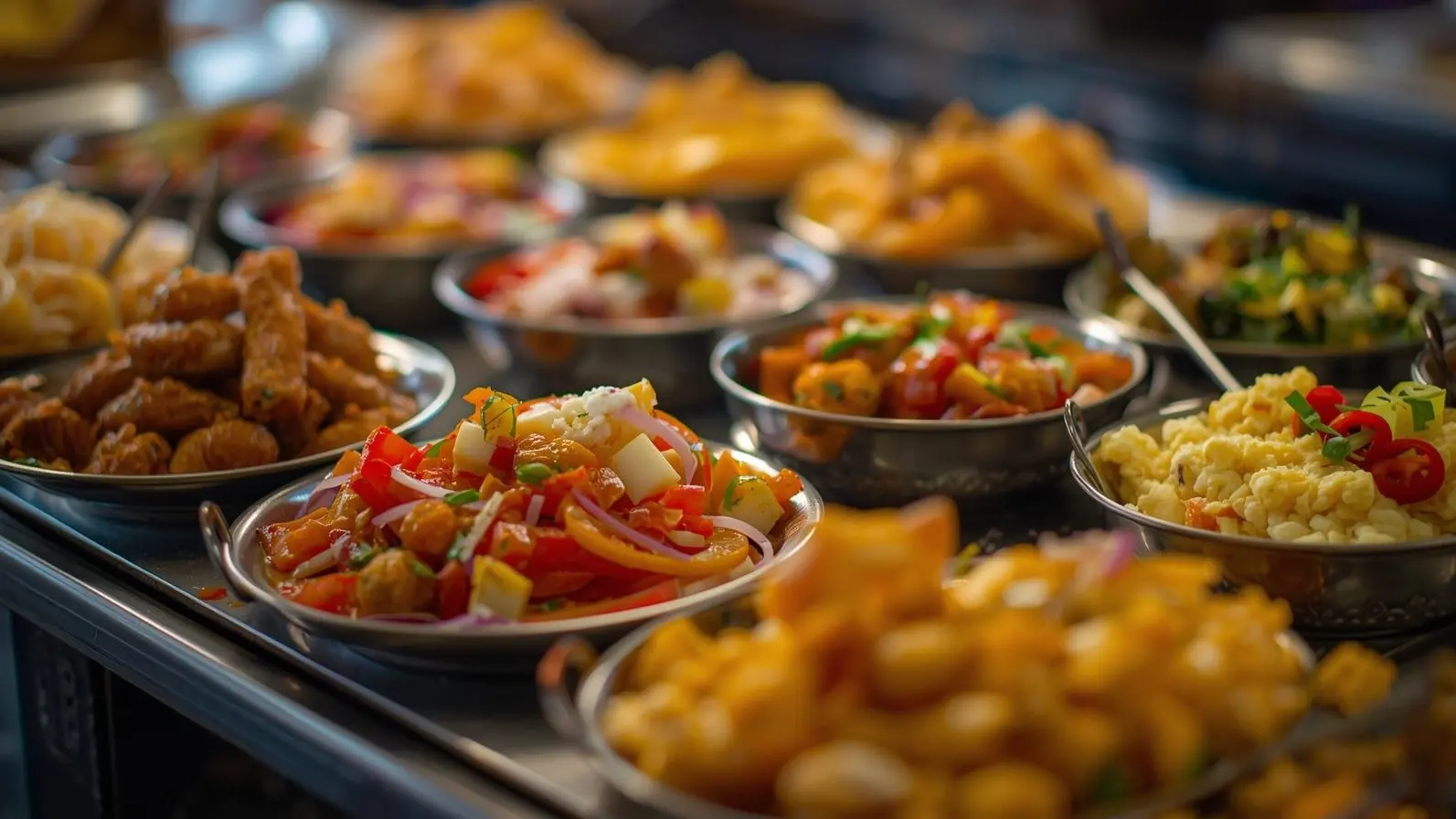
Top Indian Street Foods That Attract Tourists Before Their Visit
India’s street food scene is more than just a meal; it’s about engaging with local culture and history. Before heading to India, tourists worldwide look up dishes that resonate with its culinary diversity and regional distinctions. From zesty snacks savored on lively streets to sweet desserts enjoyed in hidden alleys, Indian street food encapsulates the nation’s unique heritage beyond any guidebook.
This comprehensive guide delves into the most sought-after Indian street foods, exploring their appeal, distinctive characteristics, and what travelers can expect on their culinary journey.
Global Appeal of Indian Street Food
Indian street food is special for its rich flavors, affordability, freshness, and regional diversity. Unlike meals in restaurants, street food is a local centerpiece. Recipes are often cherished family secrets, skillfully prepared in front of diners and tailored to local preferences.
Some key attractions for tourists include:
-
A wide array of vegetarian selections
-
Vivid spice blends and chutneys
-
Live cooking demonstrations and custom options
-
Cultural narratives behind each dish
Street food fosters an authentic connection to India that luxury dining often lacks.
Pani Puri: The Must-Try Street Snack
Pani Puri, also recognized as Golgappa or Puchka in various regions, is frequently the first street food that travelers explore online.
Highlight of Pani Puri
This delightful snack comprises crispy hollow puris filled with spiced mashed potatoes, chickpeas, tangy tamarind water, and mint-flavored spicy water. The thrill lies in consuming it whole, where sweet, sour, spicy, and crunchy flavors fuse seamlessly.
Travelers' Curiosity Reasons
Vada Pav: Mumbai’s Signature Street Burger
Regarded as the Indian burger, Vada Pav holds a special place in Mumbai’s street food landscape.
What Defines Vada Pav
A spicy potato fritter tucked inside a soft bun and served with dry garlic chutney and green chili. It’s simple, satisfying, and bursting with flavor.
Reasons Tourists Seek Vada Pav
-
Cost-effective and satiating
-
Vegetarian comfort food at its best
-
Mirrors Mumbai’s fast-paced lifestyle
Vada Pav illustrates how street food adapts to urban rhythms.
Chaat: A Culinary Category to Explore
“Chaat” embodies a variety of street foods.
Popular Chaat Varieties Tourists Hunt For
-
Aloo Tikki Chaat
-
Papdi Chaat
-
Dahi Puri
-
Sev Puri
Why Chaat Captivates Tourists
Chaat features a delightful mix of yogurt, chutneys, spices, crispy bases, and fresh herbs. Each city offers its unique twist. Travelers are enchanted by how the same ingredients deliver distinct tastes everywhere.
Chaat focuses on flavor layering rather than just spice.
Dosa and Idli: Breakfast Delights from South India
The popularity of South Indian street food is linked to its light and fermented texture.
Dosa
This is a crispy, thin crepe made from rice and lentils, served with coconut chutney and sambar.
Idli
Soft, steamed rice cakes best enjoyed with chutney and sambar.
Reasons for Their Popularity Among Tourists
Pav Bhaji: A Comforting Culinary Experience
Pav Bhaji stands out as one of the most Instagrammed street foods in India.
What Comprises Pav Bhaji
It is a rich vegetable mash prepared with butter and spices, paired with butter-toasted bread rolls.
Reasons Tourists are Drawn to It
Samosa: India’s Snack Ambassador to the World
Though already globally recognized, tourists still seek genuine Indian samosas.
What Sets Indian Samosas Apart
Kathi Rolls and Frankie Rolls
These roll-based street foods are favored by tourists who prefer convenient meal options.
What They Include
Flatbreads filled with spiced ingredients like paneer, vegetables, egg, or chicken.
Tourist Preference Reasons
Chole Bhature: A Hearty North Indian Favorite
This dish is highly sought after by tourists planning to experience North India.
What It Generally Contains
Spicy chickpea curry served alongside deep-fried bread.
Reasons Tourists are Eager to Try It
-
Complex, indulgent flavors
-
Robust spice profile
-
Popular brunch and lunch dish
It exemplifies North India’s vibrant food culture.
Kachori and Bedmi Puri
These dishes attract tourists visiting heritage cities.
What Makes Them Special
Momos: The Modern Street Food Craze
Originating from Tibetan and Nepalese cuisine, momos have swiftly evolved into a pan-India street food phenomenon.
What Tourists Find Appealing About Momos
-
Recognizable dumpling form
-
Available in steamed, fried, or spicy variations
-
Served with a range of fiery chutneys
Momos are a testament to India’s dynamic street food landscape.
Jalebi and Sweet Offerings of Indian Street Food
Sweet street foods are very popular for their distinct textures.
Understanding Jalebi
It consists of deep-fried spirals dunked in syrup.
Why Tourists are Fond of It
-
Crispy on the outside, syrupy on the inside
-
Visually appealing with vibrant colors
-
Often enjoyed when hot
Indian sweets offer a delightful contrast to spicier snacks.
Kulfi: The Quintessential Indian Ice Cream
Kulfi is frequently sought after as “Indian ice cream.”
How Kulfi Differs from Regular Ice Cream
-
Denser compared to ice cream
-
Crafted with slow-cooked milk
-
Flavors include pistachio, saffron, or mango
Travelers cherish its richness and authentic flavors.
Regional Street Foods for Tourists to Discover
Numerous visitors arrive with knowledge of just the popular items, only to later uncover:
Importance of Street Food Safety
Hygiene and safety are top concerns for travelers.
Reassuring Factors for Tourists
Beyond Cuisine: A Cultural Encounter
Street food is also a social experience.
-
Engagement with vendors
-
Observing food being prepared
-
Dining with locals
For tourists, this experience forms a lasting memory beyond just a meal.
How Street Food Defines India’s Travel Identity
Street food is a vibrant ambassador of Indian culture. It is accessible, welcoming, and expressive. Each dish narrates a story of migration, climate, customs, and evolution.
Your Final Thoughts on Indian Street Food
Indian street food emphasizes flavor, emotion, and authenticity rather than perfection. Curiosity-driven travelers often leave with profound insights about India, far beyond what monuments can teach.
Exploring street food is a quintessential part of experiencing India.
Disclaimer
This article serves as general information. Ingredients, preparation techniques, and hygiene standards for street food may vary depending on the location and vendor. Travelers should use personal discretion, consider dietary restrictions, and select vendors cautiously. The author assumes no responsibility for health-related issues that may arise from food consumption during travel.