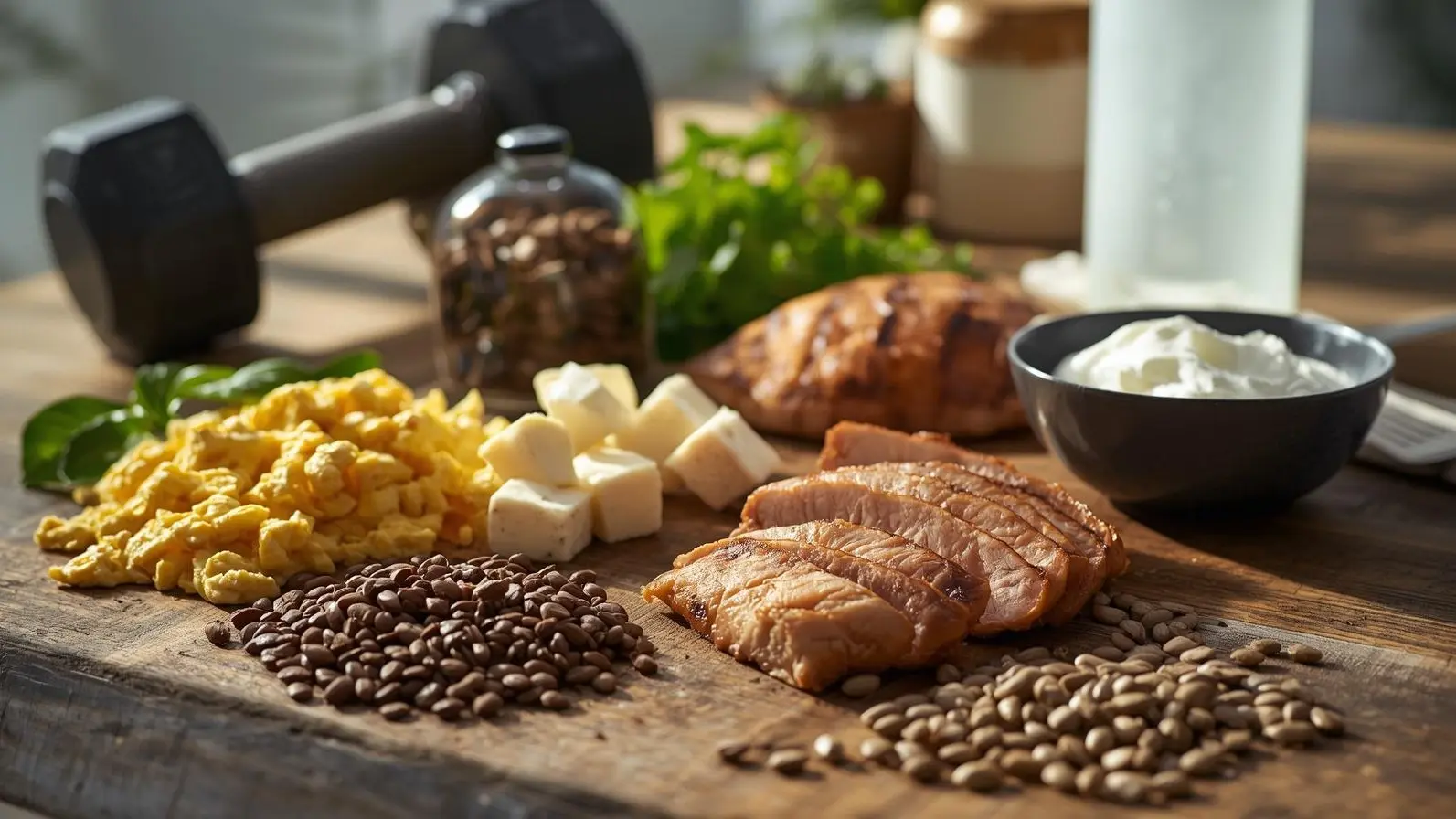
Top 5 Natural Alternatives to Protein Powder for Building Muscle
There’s a widespread belief that protein powder is essential for building muscle, but that’s not the case. While these supplements can serve as a quick fix, embracing whole foods often yields superior nutrition due to their completeness in vitamins, minerals, and other essential nutrients. If you're inclined toward a natural approach and wish to steer away from supplements, there are several effective alternatives to promote muscle growth just as efficiently, if not more so.
1. Eggs: A Nutrient-Dense Protein Source
Eggs are one of the most dependable and economical sources of high-quality protein. They encompass all essential amino acids your body requires for muscle recovery and growth, making them a complete protein option. The egg whites boast a high protein content, while the yolks contribute healthy fats and vital nutrients for overall wellness. Incorporating eggs in your meals—whether boiled, scrambled, or integrated into other dishes—can greatly aid in fulfilling your protein needs naturally. Their availability and quick preparation make them a hassle-free choice.
2. Paneer (Cottage Cheese): Sustained Digestive Protein
Paneer acts as a powerful vegetarian resource for muscle-building protein. It is abundant in casein protein, which digests gradually, providing a constant supply of amino acids to the muscles. This characteristic makes it ideal for muscle recovery, particularly when consumed at nighttime. Paneer is also rich in calcium and healthy fats, promoting bone health and overall fitness. Adding paneer to salads, curries, or snacks can help maintain a steady protein intake throughout the day.
3. Greek Yogurt (Curd): Protein with Gut Benefits
Greek yogurt or thick curd serves as another wonderful substitute for protein powder. Packed with protein and probiotics, it not only supports muscle growth but also enhances digestion and overall gut health. A healthy digestive system is crucial for optimal nutrient absorption, a key aspect in effective muscle building. Greek yogurt is versatile, easily enjoyed plain, with fruits, or blended into smoothies for a quick meal option. Its creamy nature and balanced nutrients make it a great dietary addition.
4. Lentils and Legumes: Rich Plant-Based Protein
Lentils, beans, and other legumes are abundant in plant-based protein and are especially beneficial for vegetarians. While they might not always provide complete proteins on their own, combining them with grains like rice or roti can create a balanced amino acid profile. Additionally, these foods are full of fiber, iron, and complex carbohydrates, which sustain energy levels for workouts and recovery. Regularly including lentils in your diet not only assists in muscle development but also boosts overall health.
5. Chicken Breast: A Lean Protein Source
For non-vegetarians, chicken breast stands out as a top source of lean protein. It's low in fat while being rich in protein, making it perfect for muscle growth without unnecessary calories. Chicken offers essential amino acids that help in muscle repair after exercise. Its versatility allows for various cooking methods—grilled, boiled, or lightly sautéed—ensuring it’s easy to include in a balanced diet. Its high protein content makes it a preferred choice for fitness enthusiasts.
Whole Foods vs. Protein Powders
While protein powders offer convenience, whole foods deliver a more comprehensive nutritional profile. They are replete with natural vitamins, minerals, and healthy fats that foster not just muscle growth but overall health. Relying primarily on whole foods minimizes the risks associated with overconsumption of supplements. By prioritizing a well-rounded diet, you can accomplish your fitness goals sustainably and naturally.
Building Muscle Without Supplements
It’s entirely feasible to build muscle without protein powder by emphasizing consistency. The body requires a blend of sufficient protein intake, regular strength training, and adequate recovery. Rather than leaning solely on one source, ensuring an even distribution of protein intake throughout meals aids better absorption. Hydration and a balanced diet also play pivotal roles in achieving enduring results.
Natural Nutrition is Key
Protein powder isn't mandatory for muscle growth—it’s merely an option. Real, nutrient-filled foods can deliver all essentials when consumed correctly. By integrating a variety of high-protein foods into your daily meals, you can effectively build muscle while enhancing your overall health.
Ultimately, a natural and well-rounded approach is both more sustainable and more advantageous for your physical well-being.
Disclaimer
This article provides informational content and should not be considered as a substitute for professional medical or nutritional advice. Dietary requirements can vary greatly among individuals.