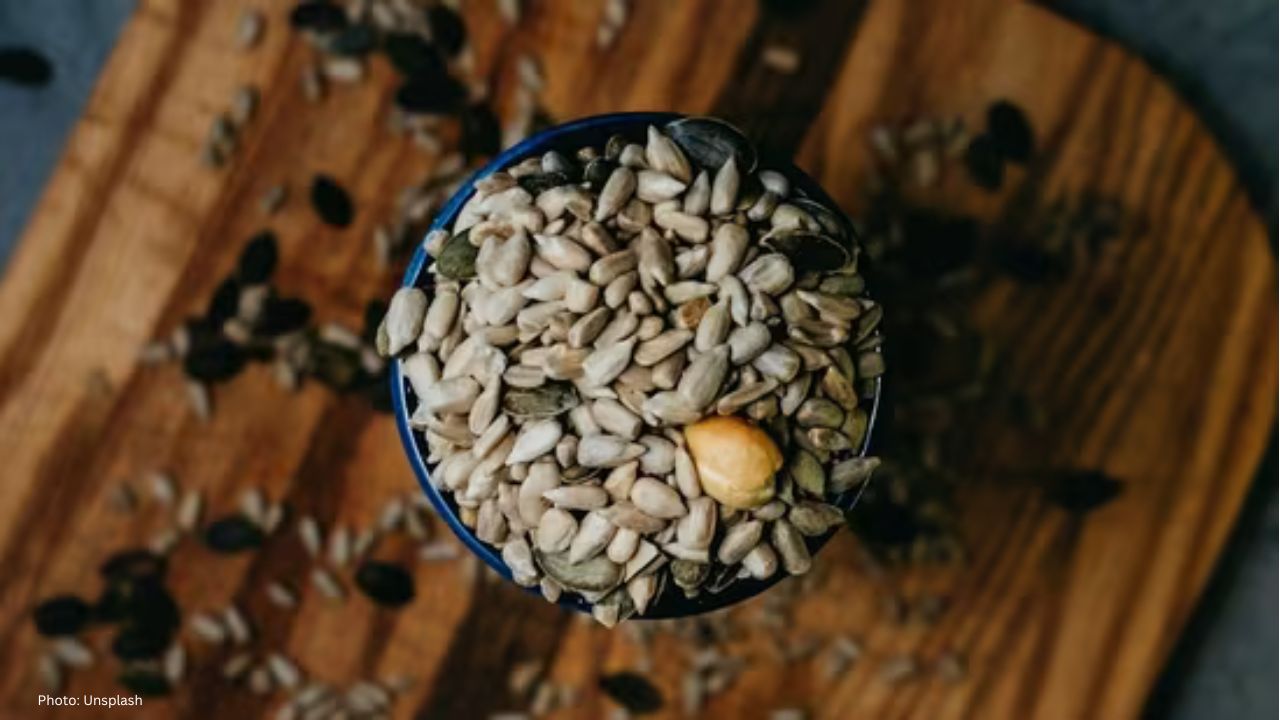
Seeds may be small, but they pack a powerful punch for overall wellness, encompassing digestion, immunity, and heart health. Dr. Alok Chopra, a seasoned cardiologist with over 40 years in the field, emphasizes that these tiny foods are more than mere snacks, referring to them as “quiet powerhouses of balance, immunity, digestion, and long-term vitality.” While chia, flax, and pumpkin seeds often get the spotlight, numerous other seeds can enhance your health when consumed correctly.
Flax seeds are abundant in omega-3 fatty acids, promoting hormonal balance and digestive health. It's advisable to grind them prior to consumption, incorporating them into smoothies, yogurt, or oats. Whole flax seeds may be less effective and can lead to gastrointestinal issues. Chia seeds offer excellent hydration, fiber, and energy boosts; soaking them for 30 minutes to two hours is essential to prevent discomfort.
Pumpkin seeds are beneficial for immunity and menstrual health, ideally consumed roasted in moderation or sprinkled on salads, though caution is needed due to their calorie density.
Cooling and digestive-friendly, melon seeds can be enjoyed raw or roasted. Makhana, or fox nuts, contribute to satiety and protein intake, making them a nutritious snack when roasted in ghee, but avoid consuming packaged salted versions which may contain excessive sodium. Sesame seeds provide calcium and are advantageous for skin and hair; roasting enhances their flavor, making them perfect for chutneys and laddus, though it’s wise to limit intake in hot weather.
Fennel seeds aid digestion and are great for freshening breath; chew them after meals or infuse in warm water. Coriander seeds assist with bloating; soaking them overnight and drinking the infused water is a helpful approach. Poppy seeds, which are high in healthy fats, encourage calmness and quality sleep; they should be soaked before grinding and added to meals, while large quantities may induce drowsiness.
Sunflower seeds are rich in vitamin E and benefit skin and heart health; a light roast is ideal, but salted varieties should be consumed cautiously due to sodium levels. Hemp seeds are an excellent source of complete protein and omega-3 fatty acids, ideal for salads and smoothies yet should be eaten in moderation as they are calorie-rich. Watermelon seeds provide magnesium, iron, and plant protein, perfect roasted in trail mixes, although portion control is crucial due to caloric content.
Dr. Chopra advises that while seeds can considerably enhance health, they should be consumed wisely and in moderation, enhancing a well-rounded diet rather than serving as replacements for other vital nutrients. Always consult a healthcare provider with specific concerns before altering your dietary habits.