Health experts across Canada are warning that tick-related illnesses are increasing rapidly as warmer temperatures and changing weather patterns allow disease-carrying ticks to survive and spread into new areas. Public health agencies say cases of Lyme disease and other tick-borne infections are rising in several provinces, including Ontario, Quebec, New Brunswick, Nova Scotia, and parts of Western Canada.
According to researchers and health officials, ticks are no longer limited to only a few forested regions or summer months. Experts say shorter and milder winters are helping ticks remain active for longer periods during the year, increasing the risk of human exposure. Scientists have also reported that some tick species are now moving north into Canadian regions where they were rarely found in the past.
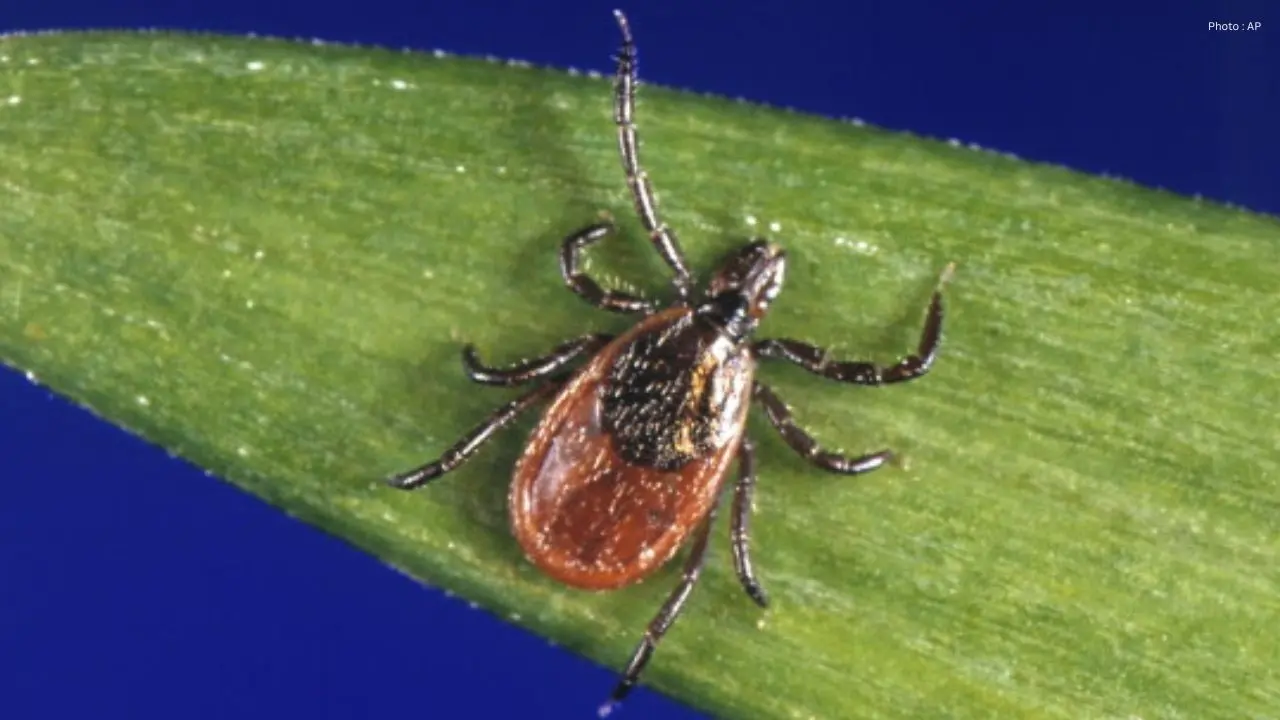
Medical experts explained that black-legged ticks, also known as deer ticks, are among the main carriers of Lyme disease in Canada. However, ticks can also spread several other dangerous infections, including anaplasmosis, babesiosis, and Powassan virus disease. The Public Health Agency of Canada said these illnesses have become a growing public health concern due to the expansion of tick populations and increased contact between humans and tick habitats.
Health officials noted that outdoor workers, hikers, campers, farmers, pet owners, and people spending time in grassy or wooded areas face higher risks of tick exposure. Experts say ticks are commonly found in tall grass, bushes, forests, parks, and even some residential backyards. Several local health units in Ontario recently warned that tick populations have increased significantly compared to previous years.
Recent data from the United States Centers for Disease Control and Prevention also showed that emergency room visits linked to tick bites reached their highest levels since 2017 in many regions. Canadian researchers believe similar trends are appearing in parts of Canada as tick-related illnesses continue spreading.
Doctors say early symptoms of tick-borne diseases can include fever, fatigue, headaches, muscle pain, skin rashes, chills, and joint pain. In severe cases, untreated infections may affect the nervous system, heart, liver, or brain. Experts stressed that Lyme disease can often be treated successfully if diagnosed early, but delayed treatment may lead to long-term health complications.
Public health authorities are urging Canadians to take preventive measures while spending time outdoors. Officials recommend wearing long sleeves, full-length pants, and light-colored clothing to make ticks easier to spot. People are also advised to use insect repellents containing DEET, stay on cleared walking paths, and carefully check their bodies, clothing, and pets for ticks after outdoor activities.
Experts explained that removing a tick quickly can significantly reduce the risk of infection because many diseases are transmitted only after a tick remains attached for several hours. Health authorities also encourage people to seek medical advice if they develop symptoms after a tick bite or notice unusual skin rashes.
Researchers believe climate change, increasing wildlife populations, and changing ecosystems are all contributing to the growing spread of ticks across Canada. Scientists say the problem may continue worsening in the coming years unless stronger public awareness and prevention efforts are introduced.