Understanding the Shift to eSIM-Only Smartphones
In recent years, eSIM technology has transitioned from being an optional addition to a standard feature in a range of smartphones. Previously spotted only in high-end models, eSIMs have now become a global phenomenon with major brands launching devices that operate exclusively on embedded SIMs, leaving traditional SIM cards behind.
This week, numerous nations have reported a flurry of eSIM-only smartphone launches, service upgrades by carriers, and regulatory discussions. As consumer adoption grows, a pivotal question arises: Does going eSIM-only truly enhance the mobile experience, or does it curtail user autonomy?
To delve deeper, we must explore the worldwide drivers behind this trend and weigh both its advantages and concerns.
What Is an eSIM?
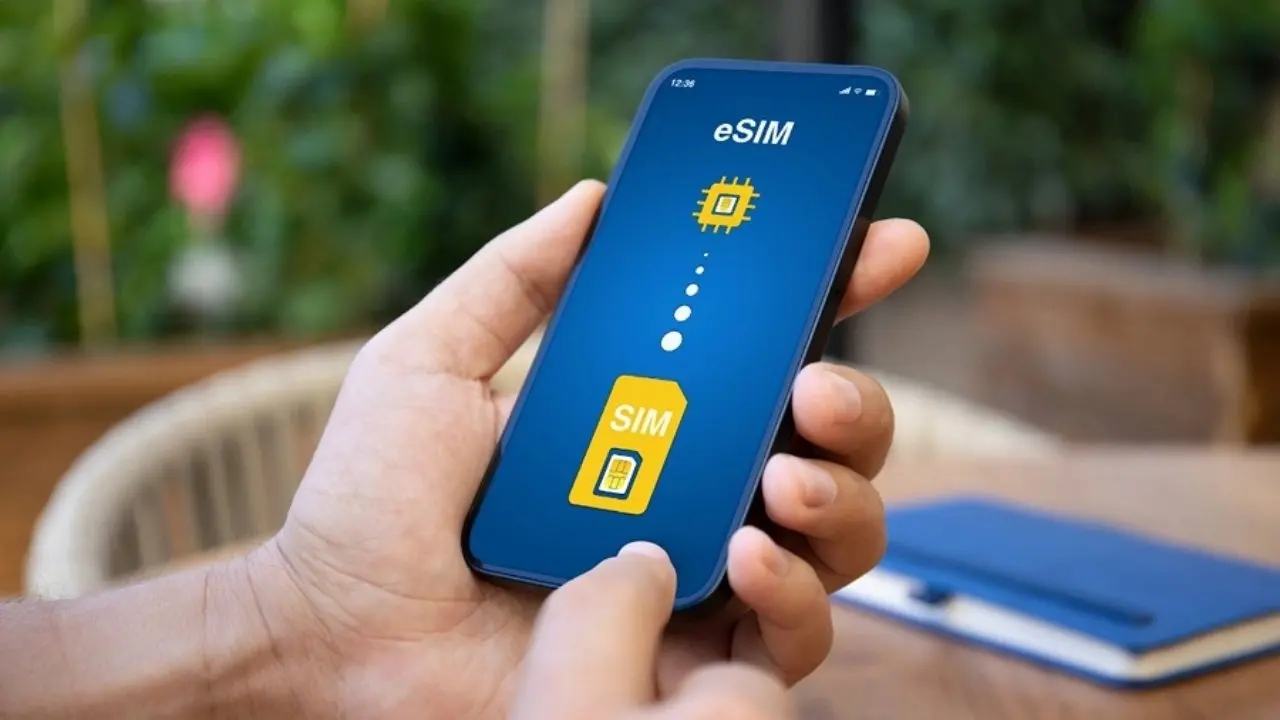
An eSIM (embedded SIM) is a programmable chip incorporated directly into a device's motherboard. Unlike standard SIM cards that users manually switch, eSIMs rely on digital activation.
Key features include:
remote carrier provisioning
multiple profiles stored at once
absence of a physical card or tray
effortless network-switching
This innovation simplifies connectivity, at least conceptually.
The Rapid Expansion of eSIM-Only Models This Year
Numerous factors are propelling the growth of eSIM-only devices:
increased adoption of eSIM tools by carriers
global resumption of travel
growing demand for dual-network options
manufacturing trends favoring compactness
environmental urges to minimize plastic use
Just this year, a multitude of smartphone variants have either debuted as eSIM-only models or broadened their eSIM focus in regions previously reliant on traditional SIM cards.
The shift, once relegated to flagship devices, has grown into a worldwide trend that is reshaping the mobile communication landscape.
Manufacturers' Embrace of eSIM-Only Designs
The transition to eSIM is not merely about user convenience; manufacturers have various strategic considerations.
Design Optimization and Space Efficiency
By removing the SIM tray, manufacturers gain:
In smaller devices — particularly foldables, wearables, and premium flagships — every inch counts.
Enhanced Security Features
Traditional SIM cards are susceptible to:
Because eSIMs are embedded, unauthorized tampering is considerably more challenging.
Several brands contend that eSIM-only devices mitigate SIM-swap fraud and related issues.
Simplification of Global Manufacturing
As SIM types differ among countries, eliminating the SIM tray streamlines production by:
Manufacturers can ultimately lower expenses while achieving greater consistency across markets.
Encouragement of Advanced Network Functions
eSIM integration is better suited for:
Numerous telecom advancements rely on eSIM compatibility rather than traditional architectures.
Carrier Advocacy for eSIM
Manufacturers are not the sole advocates of this shift — carriers also seek to benefit.
Optimized Customer Lifecycle Management
Carriers can control activations digitally, improving:
quicker onboarding
simplified number oversight
reduced distribution expenses
minimized manufacturing costs for SIMs
Digital services also help retain customers within the operator's ecosystem.
Mitigated SIM Fraud Risks
SIM-swap crimes threaten users globally. With eSIM, device-provisioned security limits the risk of identity theft.
Convenient Roaming and Travel Options
Carriers offer global travelers:
Digital travel-SIM options increasingly favor carriers embracing eSIM technology.
Consumer Advantages of eSIM-Only Devices
While skepticism remains among some consumers, many recognize eSIMs as an advantage.
Seamless Network Switching
Users can change service providers without needing to visit a physical part.
Profiles can be downloaded within moments for greater flexibility.
Support for Multiple Profiles
eSIM-only phones can host multiple network profiles simultaneously, accommodating:
Enhanced Water Resistance
The absence of a SIM tray fortifies device structure, minimizing the entry points for dust and moisture.
Elimination of Lost or Damaged SIM Cards
eSIM removes concerns about:
cutting SIMs
varied SIM sizes
damaged trays
broken components
Now everything operates digitally, making processes smoother.
Reduced Clutter
Consumers no longer need to worry about extra adapters, spare SIMs, or ejector tools.
Concerns About Limitations — The Debate
The emergence of eSIM-only smartphones has incited a wave of concern, with many users and analysts raising discussions.
The debate includes both direct issues and broader philosophical questions.
Carrier Limitations in Certain Regions
In markets with limited carrier choices, eSIM-only devices could:
Physical SIM swapping has historically provided users an easy exit from unsatisfactory service.
Activation Challenges in Less Developed Areas
Some global regions remain heavily reliant on:
eSIM adoption continues to lag in these areas, resulting in compatibility issues and difficulties.
Travel Difficulties for Some Users
While eSIM options for travel are on the rise, travelers in remote locations may encounter:
For these individuals, eSIM-only devices can lead to challenges.
Fears of Device Control
Some consumers worry that eSIM-only designs enhance control by:
Traditional SIM cards granted users tangible command over their network identities.
Challenges in Repair and Diagnostics
Repair technicians globally have noted complications with:
network evaluations
activation resets
user transitions
device refurbishments
Physical SIMs were previously invaluable for quick diagnostic procedures.
Concerns Over Privacy
Some critics suggest eSIMs could elevate:
While these concerns aren't universal, they frequently arise in discussions online.
Global Policy Considerations on eSIM Compatibility
Countries worldwide are keeping a keen eye on this trend.
European Union
EU policies strongly endorse interoperability and reduce e-waste, aligning well with eSIM adoption.
United States and Canada
Rapid eSIM adoption is evident, though debates on consumer autonomy persist.
India
India is actively encouraging eSIM use but remains cautious about nationwide support.
Southeast Asia
Certain nations are swiftly adapting, while others are still navigating their transitions.
Middle East
Various regions are quickly promoting eSIM services driven by tech-savvy populations and robust telecom frameworks.
Africa and Latin America
eSIM technology is present, but the pace of implementation varies significantly across regions.
Manufacturers Move Faster Than Regulations
Innovation in devices often outpaces regulatory changes.
Manufacturers aim to phase out:
legacy parts
superfluous ports
outdated procedures
This can create a disconnect with countries not fully prepared for such a transition.
Are All Phones Heading Towards eSIM-Only?
Most likely — though not in the immediate term.
A few forecasts:
Premium models to become fully eSIM
Flagship devices are the first to adopt these newer standards.
Mid-range devices to transition in time
Manufacturers will begin shifting as carriers provide full eSIM support.
Entry-level phones may retain SIM trays longer
In developing markets, affordability and accessibility take precedence over trends.
IoT and wearables may adopt eSIM exclusively
The sector is already leaning towards eSIM in compact gadgets.
Guidance for Consumers Considering eSIM-Only Smartphones
Check Carrier Compatibility in Your Region
Activating without compatible tools is challenging.
Ensure Backup Profiles Are Available
Keeping multiple eSIM profiles handy is vital for easy device transitions.
Confirm Availability of Travel eSIMs
Frequent travelers should check local access options.
Understand Device Transfer Procedures
Transferring an eSIM can require:
Consider the Broader Ecosystem
eSIM represents not just technology; it's an entire ecosystem involving:
carriers
manufacturers
regulations
activation applications
Grasping this ecosystem aids consumers in avoiding hassles.
Final Thoughts
The worldwide rise of eSIM-only smartphones indicates a significant shift in mobile communications. While the change brings numerous benefits — including convenience, digital adaptability, enhanced security, and refined designs — there are substantial concerns about accessibility, service provider freedom, and regional readiness.
For many users in developed markets, the transition is straightforward. However, for others, particularly in areas with inconsistent telecom frameworks, eSIM-only devices introduce new layers of complexity.
In the end, the evolution to eSIM-only smartphones is neither limited solely to advantages nor drawbacks. It is a transformation requiring adaptive strategies from operators, regulators, and consumers alike. While the future of mobile technology is undoubtedly digital, safeguarding user autonomy will be paramount as this shift unfolds.
Disclaimer:
This text offers a broad overview of the global eSIM adoption landscape. Carrier specifications, geographic infrastructure, and manufacturer policies can vary. Users should confirm eSIM compatibility with local telecom operators prior to purchasing eSIM-exclusive devices.