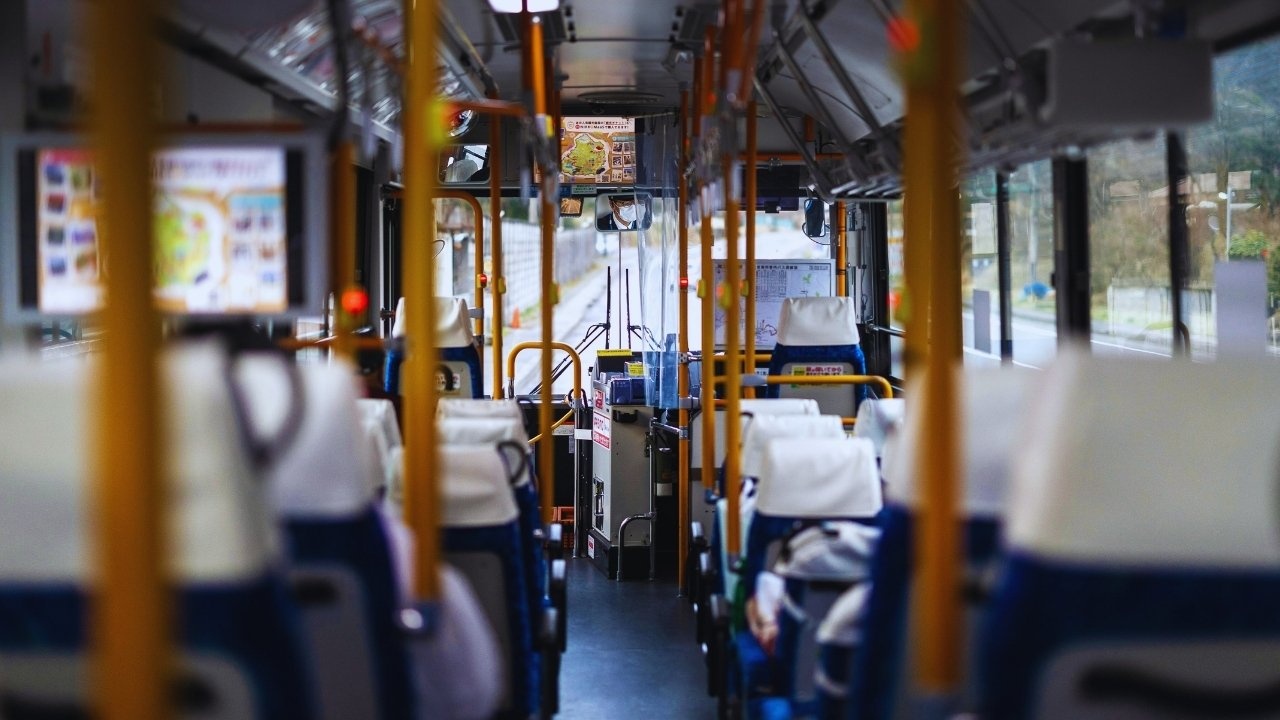
Unexpected Shift in Travel Preferences
Major urban centers and long-distance travel routes have experienced a remarkable surge in public transport usage this week. What started as a slight increase in passenger numbers metamorphosed into a noticeable trend, with a spike in demand for buses and trains. Commuters, holiday travelers, and long-distance passengers altered their choices, propelled by various external factors and practical needs.
This uptick is not limited to specific locations but reflects a worldwide movement where travelers are opting for dependable, budget-friendly alternatives that are less affected by disruptions impacting other transport forms.
Air Travel Issues Prompt Ground Transport Switch
Significant disruptions in air travel served as a primary catalyst for this increase. Technical failures, staffing shortages, and adverse weather contributed to widespread delays and cancellations. Many passengers stranded in airports opted for ground transportation, resulting in a surge of same-day bookings for trains and intercity buses.
For countless travelers, buses and trains emerged as the last reliable option, particularly for medium-distance travel. The dependability of ground transport during aviation crises reaffirmed its value as a trusted backup.
Weather Disruptions Affect Travel Choices
Recent weather events—including torrential rains, early winter storms, and heavy fog—have profoundly impacted flight schedules. Meanwhile, train and bus services continued with minor delays, maintaining operations. Even during disruptions, the waiting times were significantly shorter than the lengthy flight cancellations.
Travelers are increasingly considering ground transportation as a safer option when faced with unpredictable weather, opting for reliability over speed.
Rising Costs Drive Travelers to Budget-Friendly Options
Economic constraints are continuing to shape travel behaviors. Increasing fares on busy air routes have made bus and train services appealing alternatives. Many travelers, especially students, families on a budget, and business professionals, prioritized cost-effective choices this week.
Additionally:
-
dynamic pricing on flights escalated sharply
-
fuel surges in various regions raised ticket prices
-
bus and rail companies kept prices stable
With tightening budgets, consistent pricing is emerging as a significant deciding factor.
Eco-Friendly Travel Becomes More Popular
Awareness of environmental issues is also shaping travel choices. Trains, in particular, have become a preferred option for climate-conscious travelers seeking low-emission transportation. Public campaigns this week emphasized the reduced carbon footprint associated with rail travel, garnering interest from younger passengers and environmentally-aware travelers.
This evolving mindset around sustainability is influencing foundational travel decisions beyond mere immediate responses.
Investments in Infrastructure Starting to Show Results
Investments in improved rail lines, advanced buses, digital ticketing solutions, and enhanced intercity connectivity have rendered ground travel more appealing. Recent developments include:
-
upgraded seating and facilities on trains
-
extensions of high-speed rail services
-
introduction of eco-friendly buses
-
enhancements to station amenities
-
integrated online booking systems
These improvements were particularly noticeable this week as travelers evaluated their options amid sudden disruptions in air travel.
Flexibility from Remote Work and Adjustable Schedules
With remote work becoming more common, many travelers enjoy increased flexibility when planning their trips. This allows them to avoid peak hours, opt for relaxed travel, or realign their schedules in response to delays. This increased flexibility has led more individuals to prefer buses and trains during these uncertain travel periods.
For many urban travelers, ground transportation offers added advantages such as:
-
consistent internet connectivity
-
the potential to work while on the move
-
less overall anxiety compared to enduring airport security lines
This combination of convenience and productivity is reinforcing the trend toward ground transport.
Holiday Travel Season Kicks Off Early
This week also marked the commencement of an early holiday travel wave. Families, students, and workers are starting their holiday journeys ahead of the expected rush. Bus and train companies are reporting strong advance bookings, indicating the beginning of the festive travel period.
In numerous regions:
-
trains are nearing full capacity during midweek
-
express bus services are adding extra journeys
-
high occupancy rates on intercity routes
Choosing to travel early is becoming increasingly popular for those wishing to avoid last-minute crowds and the unpredictability of air travel conditions.
Urban Commuters Opt for Consistency Over Speed
Urban public transit has also seen an uptick. Many commuters have reported favoring trains and buses over personal vehicles due to:
The routine schedules of metros, bus rapid transit services, and suburban rail systems became increasingly appealing against the backdrop of erratic city traffic this week.
How to Adjust to the New Travel Dynamics
As bus and train ridership rises, travelers can employ strategies to enhance their travel experience and avoid disruptions.
1. Reserve Early
Unprecedented spikes can lead to:
Reserving in advance ensures a smoother experience and optimal timings.
2. Travel Off-Peak
Departing during midday or late evening typically results in:
This can be particularly beneficial during the holiday rush.
3. Utilize Real-Time Tracking
Modern transport applications can provide:
These features aid travelers in making informed choices during disruptions.
4. Have Backup Routes Ready
Given the extensive ground travel networks, familiarity with other bus companies or alternate train lines can save time if main routes face delays or become overbooked.
5. Pack Essentials for Lengthier Travels
Considering the week’s unexpected hold-ups across transportation methods:
…as these can enhance your travel experience.
6. Arrive Early in Busy Periods
Longer queues can be expected at stations during holiday times. Arriving early can alleviate stress.
What This Surge Indicates for Future Travel
Recent trends highlight a significant shift in travel behavior:
-
travelers are becoming increasingly adaptable and budget-conscious
-
reliance on air travel is declining during uncertain periods
-
buses and trains are reestablishing themselves as essential options for mid-range travel
-
sustainability is shaping long-term decisions
-
enhanced public transport is appealing to broader demographics
If these trends continue, ground transport might increasingly play a vital role in regional and national travel plans.
In Summary
The surge in bus and train usage this week is a direct result of air travel interruptions, unpredictable weather conditions, rising costs, and changing expectations from travelers. Ground transport has proven to be a reliable, affordable, and increasingly comfortable choice during times of uncertainty.
As the holiday season draws near, proactive planning, flexible timings, and informed route choices can greatly assist travelers in navigating the forthcoming weeks with ease.
Disclaimer:
This article summarizes contemporary travel trends and observations. Specific conditions, schedules, and disruptions may vary, so travelers should check local updates for precise, real-time information.