Revolutionizing Wellness: Your Personal AI Health Coach
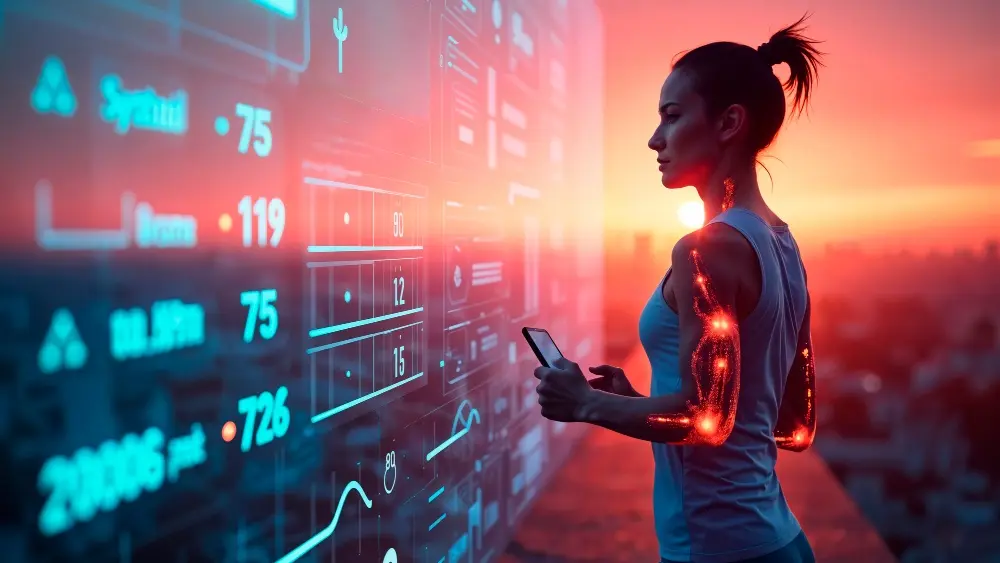
Gone are the days when maintaining a healthy lifestyle depended solely on gym instructors, diet plans, or lengthy consultations. Today, technology allows for personalized health guidance through apps, wearables, and websites that seamlessly integrate into your daily routine. These digital coaches monitor your habits, prompt crucial actions, and help curate a health strategy that aligns with your lifestyle.
The shift towards tech-based health coaching is rapidly gaining traction due to its efficiency and convenience, offering guidance without needing to visit a gym or a trainer. Your digital assistant accompanies you throughout the day, ensuring you're supported wherever you go.
This article delves into how AI tools mimic personal health coaches, helping you adopt healthier eating habits, engage in effective workouts, and maintain consistency.
The Surge in AI Health Coaching
In a world where many juggle work, studies, family, and extensive screen time, planning meals or keeping up with fitness can seem daunting. People often feel overwhelmed, unsure of what their bodies truly need.
AI tools bridge this gap by observing your daily routines and advising you every step of the way.
Reasons for the burgeoning popularity of AI health coaching include:
Instead of following someone else's routine, AI guides you in what suits your individual needs.
1. Personalized Diet Plans via AI
A significant factor in failed diets is when they don't align with one's daily life. AI tools analyze your habits and discern your dietary patterns, food preferences, activity levels, sleep schedules, and hydration.
Utilizing this data, they craft meal plans suited to your lifestyle.
For instance:
-
If you have late dinners, AI might recommend lighter evening meals.
-
If breakfast tends to be skipped, it provides quick and healthy alternatives.
-
If your diet lacks protein or iron, it suggests easy food alternatives.
Certain apps even allow you to take a photo of your meal and instantaneously receive nutritional information.
2. Tailored Exercise Regimens
Recognizing that each body type and fitness level is unique, not every individual requires high-intensity workouts. Some may benefit from stretching, while others may need strength training, or even simplified routines.
AI fitness applications assess:
-
Your current fitness capabilities
-
Your health history
-
Your heart rate variations
-
Your fitness goals
-
Your daily activity levels
From this data, they create an exercise plan best suited to your body.
For instance:
-
If your heart rate spikes, AI may advise you to slow your pace.
-
If you’ve been inactive for long durations, it’ll remind you to stand or stretch.
-
If weight loss is your aim, it balances cardio with strength training.
This ensures a safer and more enjoyable workout experience.
3. Habit Tracking and Progress Monitoring
Many people may struggle with motivation, believing there's no change in progress. AI tools offer clear insights into your improvements.
They monitor:
Data is presented in straightforward charts, ensuring you notice even the smallest improvements, which can boost motivation.
Some applications even alert you when a rest day is necessary or if your energy levels dip.
4. Timely Support When You Need It
Staying committed is often a challenge. Users may feel fatigue or disinterest after some time. AI systems provide immediate assistance when needed.
For instance:
-
If you've overeaten, it may suggest a lighter meal next time.
-
If you miss a workout, it can propose a short alternative.
-
If you're feeling drained, it might recommend hydration or stretching.
Think of it as a personal coach offering gentle reminders and helping you stay true to your objectives.
5. Cultivating Healthy Daily Routines
Achieving good health is rooted in small, consistent habits. AI tools equip you to establish these simple practices, such as:
-
Regular water intake
-
Consistent sleep schedules
-
Engaging in brief stretches during prolonged sitting
-
Consuming nutritious meals
-
Enhancing physical activity throughout the day
-
Utilizing deep-breathing techniques during stress
These minor adjustments can significantly elevate energy levels, diminish stress, and promote long-term wellness.
6. Affordable Personal Health Guidance through AI
In the past, receiving tailored health advice often meant costly consultations with trainers or nutritionists. Nowadays, AI provides that expertise at little to no cost.
Whether students, professionals, parents, or seniors, anyone can leverage AI services at an economical price.
This democratizes health coaching, making it accessible to anyone aiming to enhance their lifestyle.
The Future of AI in Health and Wellness
AI-supported health coaching is still in its nascent stages. The future may bring tools that can:
-
Identify early signs of health issues
-
Recommend necessary vitamins and nutrients
-
Develop tailored stress-reduction strategies
-
Modify dietary plans based on daily energy levels
-
Automatically connect with healthcare professionals for assistance
-
Monitor emotional and mood health
Technology is simplifying health support, making it more personalized and accurate than ever before.
AI is changing the landscape of health management. From meal planning and workouts to daily habits and progress, AI tools fulfill the role of dependable coaches who understand your routine and provide thoughtful guidance.
There’s no need for elaborate regimens or strict diets. With the aid of an intelligent AI health coach, you can easily adhere to a plan that resonates with your personal lifestyle, ensuring you stay active, balanced, and healthy each day.
Disclaimer
This content serves solely as general information and should not substitute for professional medical advice, diagnosis, or treatment. Individual health needs can vary significantly, and AI tools cannot provide professional medical guidance. If you face ongoing health issues or concerns regarding your dietary or fitness plans, please consult a qualified healthcare provider before making any significant lifestyle modifications.