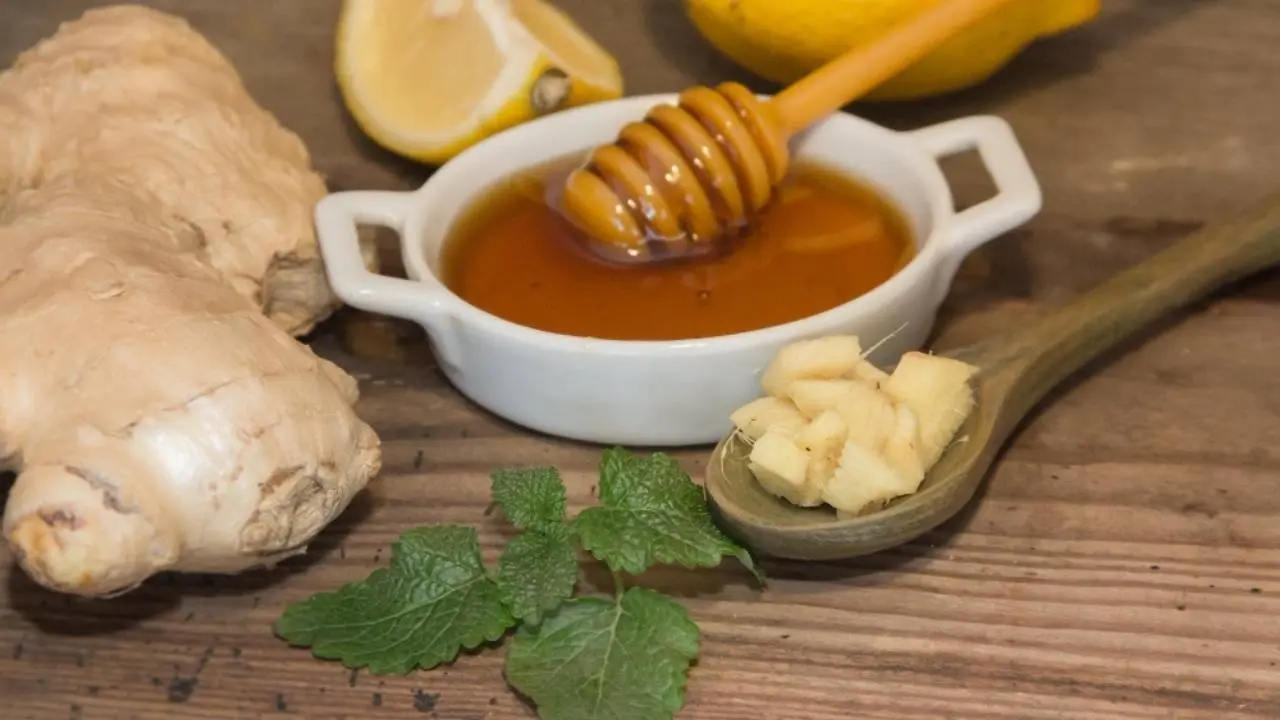
The Power of Ginger and Honey: Your Natural Allies Against Cough and Cold
For centuries, ginger and honey have been trusted home remedies in regions like India, the Middle East, and Europe. Despite the availability of modern medicine, this time-tested mixture remains a favorite for alleviating symptoms of cough, colds, and respiratory discomfort. The appeal lies in its natural composition, making it a safe option for most people.
These common kitchen ingredients create a powerful blend that comforts the throat and clears the lungs. This article explores how ginger and honey work, their benefits, and simple ways to prepare them at home.
Why Ginger and Honey Complement Each Other
While each ingredient has individual health benefits, their combined effects create a more potent remedy. They effectively tackle cough, mucus buildup, sore throat, and respiratory issues, especially during seasonal ailments.
The Benefits of Ginger
Rich in natural compounds that reduce inflammation and combat pathogens, ginger is renowned for its warming effects that assist in loosening mucus and easing chest tightness.
Ginger can help with:
-
Alleviating throat and airway inflammation
-
Clearing nasal passages
-
Combating harmful bacteria
-
Enhancing blood circulation
-
Assisting in mucus breakdown
These properties make ginger a preferred choice for managing cold-related discomfort.
The Role of Honey
Honey is well-known for its soothing quality, coating the throat and providing immediate relief from irritation. It has served as a calming panacea for cough for generations.
Honey can assist with:
-
Moisturizing a dry throat
-
Soothing persistent coughs
-
Fighting against infections
-
Providing antioxidants
-
Aiding restfulness during illness
For many, a spoonful of honey acts almost like a natural cough syrup.
Together, ginger and honey offer comprehensive support to the entire respiratory system.
Advantages of Ginger and Honey for Lung Health
1. Alleviates Mucus and Congestion
During colds or flu, mucus accumulates in the throat and chest. Ginger facilitates the loosening of mucus, while honey aids in its expulsion, making breathing easier and alleviating the sensation of heaviness.
2. Comforts Irritated Throats
Dry coughs, particularly at night, can disrupt sleep. While honey soothes the throat to mitigate irritation, ginger reduces inflammation in the airways, lessening the urge to cough.
3. Combats Infections
Both ginger and honey possess natural antibacterial and antiviral properties, fighting against:
This combination expedites recovery and alleviates discomfort.
4. Eases Chest Tightness
Ginger’s warming nature helps relax the muscles in the chest. Those who experience tension due to cold weather often find relief from this blend.
5. Promotes Long-Term Lung Health
Integrating ginger and honey into your daily regimen may bolster lung strength and shield against seasonal illnesses.
How Ginger and Honey Assist During Common Illnesses
1. Cold and Flu
Ginger helps to break down mucus, while honey alleviates throat discomfort.
2. Cough
This powerhouse blend is effective for both dry and productive coughs, minimizing swelling and irritation.
3. Seasonal Allergies
Ginger and honey alleviate symptoms such as sneezing and throat irritation that emerge with changing weather.
4. Sore Throat
Honey swiftly soothes irritation, while ginger fights off infections.
Utilizing Ginger and Honey at Home
You can incorporate these ingredients in various straightforward and safe methods.
1. Ginger-Honey Tea
Ingredients:
Method:
-
Boil ginger in water for 3–4 minutes.
-
Let it cool slightly.
-
Add honey and stir well.
Use:
Consume twice daily for relief from cough and congestion.
2. Ginger Juice and Honey
Ingredients:
-
1 teaspoon ginger juice
-
1 teaspoon honey
Method:
Combine both ingredients and take one or two times a day.
Best for:
Severe cough or throat irritation.
3. Warm Ginger Water and Honey
Boil ginger in water, strain, add honey, and drink warm.
This is effective for treating chest congestion.
4. Ginger-Honey Paste (For Children Above 1 Year)
Ingredients:
Administer once daily.
Important:
Do not offer honey to infants under one year old.
Precautions
While ginger and honey are natural remedies, they may not be fit for everyone.
Use with caution if you have:
-
Diabetes (as honey can spike blood sugar levels)
-
Stomach ulcers
-
Blood-thinning medications
-
Allergies to any of the components
Consult a healthcare provider if you have chronic lung conditions like asthma or bronchitis before using home remedies.
Additional Tips for Healthy Lungs
To promote lung health alongside ginger and honey, consider these habits:
-
Stay hydrated by drinking warm fluids
-
Avoid cold beverages during illness
-
Minimize exposure to smoke and contaminants
-
Ensure the air is clean and slightly humid
-
Incorporate vitamin C-rich fruits like oranges and kiwis into your diet
-
Prioritize rest during periods of sickness
These healthy habits will support quicker recovery and robust lung function.
Ginger and honey have been relied upon for ages, providing safe and effective relief from cough, cold, chest congestion, and throat irritation. Their powerful synergy aids in clearing mucus, combating infections, reducing cough frequency, and facilitating smoother breathing. Though it doesn’t replace medical care for severe conditions, it remains a gentle remedy for mild to moderate symptoms.
Adding ginger and honey to your health routine—especially in winter or during seasonal shifts—can enhance lung resilience and boost immunity.
Disclaimer
This article offers general information and is not a substitute for professional medical advice. Ginger and honey, while natural, may not suit everyone, particularly those with diabetes, ulcers, allergies, or those on certain medications. Honey should never be given to children under one. For ongoing lung issues, severe coughs, chest pain, or breathing difficulties, consult a healthcare professional for appropriate guidance.