The Impact of Local Climate on Daily Clothing Decisions
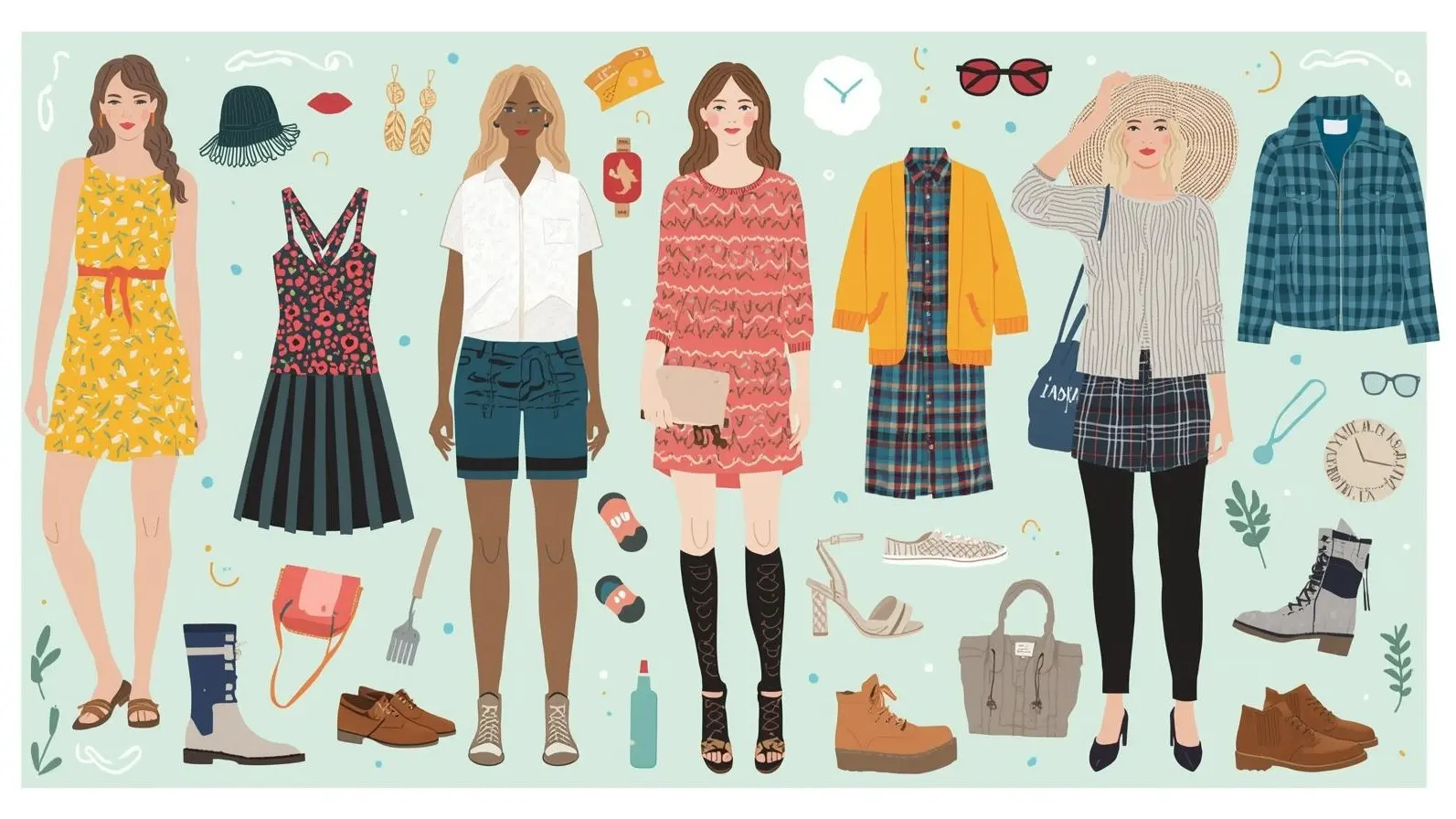
Clothing isn’t chosen randomly; it is significantly shaped by the local climate, often more so than personal style, fashion trends, or brand loyalty. Weather factors such as temperature, humidity, and seasonal changes subtly influence selections in fabrics, colors, layering techniques, and even shoe types. Over time, these climate-driven selections evolve into cultural practices, guiding how individuals dress for work, leisure, and everyday life.
Recognizing how climate shapes clothing choices clarifies why an outfit may be comfortable in one area yet intolerable in another. It illustrates the ways in which people adapt practically and creatively to their surroundings, balancing comfort, protection, and personal expression.
Climate: The Core of Daily Dressing
Climate defines the physical comfort zone of humanity. Our bodies strive for thermal equilibrium, and clothing is pivotal in achieving this balance. In climates that facilitate heat loss, attire differs significantly from that in environments which require heat retention.
In hotter climates, clothing serves to release heat while guarding against sun exposure. Conversely, in colder areas, clothing serves to conserve warmth and shield against the elements. In changeable climates, layering is vital, as immediate comfort and protection often come before style considerations.
Hot and Humid Environments: Dressing for Warmth and Moisture
Tropical and equatorial regions are dominated by heat and humidity for much of the year. The clothing choices here revolve around breathability, airflow, and moisture management.
Lightweight materials such as cotton, linen, and bamboo are favored for their ability to allow air circulation and wick away sweat. Loose-fitting designs prevent heat retention while ensuring fabric doesn’t cling to the skin. Lighter hues reflect sunlight instead of absorbing heat.
While longer garments may seem counterintuitive, they serve to protect against sunburn and heat exhaustion. In many warm locales, traditional attire has developed to cover the body while facilitating ventilation, illustrating how climate impacts cultural norms over time.
Footwear choices often lean towards open sandals or breathable styles to alleviate discomfort from heat and perspiration. Accessories like hats and sunglasses take on practical roles over mere fashion.
Dry and Arid Environments: Safeguarding Against Exposure
In desert contexts where extreme heat and considerable temperature drops at night occur, clothing choices must address temperature regulation and sun protection.
Loose garments protect against direct sunlight and help prevent dehydration. Fabrics chosen are typically designed to shield from UV rays while remaining breathable. Neutral tones predominate, absorbing less heat and blending seamlessly with the arid backdrop.
Layering even in hot desert conditions allows for rapid adaptation to fluctuating temperatures. Headgear serves vital functions against sun, wind, and sand, underscoring how climate necessitates practical design.
Cold Environments: Focus on Insulating and Protecting
In chilly locales, clothing becomes essential for survival, primarily focusing on heat retention and blocking wind and moisture.
Layering systems are prevalent, including base layers for moisture management, mid-layers for insulation, and outer layers for weather defense. Fabrics like wool and insulated synthetics are staples in these regions.
Cold-weather attire tends to be heavier and more structured, with accessories like gloves, scarves, and thermal socks being crucial. Footwear prioritizes insulation, traction, and moisture resistance for navigating icy conditions.
Color choices in colder areas often trend darker during winter months due to their ability to absorb heat and conceal stains from slush and ice. Personal expression persists through variety in textures, patterns, and accessories.
Temperate Climates: Mastering the Layering Technique
Temperate regions face seasonal variations that underscore the importance of flexibility in clothing. Individuals must cater to warm afternoons, cool evenings, and sudden weather shifts.
Layering allows for easy transition without needing an outfit overhaul. Lightweight jackets, scarves, and convertible footwear become staples. Seasonal fabric choices vary drastically, with lighter textiles favored in summer and insulating materials required in winter.
Seasonal color palettes reflect changes in mood and the environment. Fashion choices often balance comfort and societal demands, particularly in professional spheres.
In these climates, there’s room for fashion experimentation due to minimal survival pressures, although practicality remains crucial, especially during transitional periods.
Rainy and Coastal Environments: The Necessity of Moisture Management
Areas prone to frequent rainfall or high humidity require clothing that effectively manages water exposure and drying.
Water-resistant outer garments, quick-drying materials, and breathable layers become integral to daily attire. Footwear must navigate wet conditions without sacrificing comfort. Items like umbrellas and waterproof accessories are now commonplace.
In coastal regions, the wind significantly influences clothing choices. Lightweight windbreakers and layered outfits are necessary to counter sudden drops in temperature from sea breezes. Materials that endure salt air and moisture are more durable and comfortable.
Color preferences in rainy areas often lean darker, as lighter colors tend to reveal stains and water marks more readily.
Adapting to Seasonal Changes and Emotional Well-being
Climate impacts not only physical comfort but also mental and emotional states. Choices in clothing can reflect mood, energy levels, and seasonal attitudes.
During winter months, heavier garments offer comfort and a sense of security. In contrast, lighter fabrics during summer can enhance mobility, influencing social interactions and activity levels.
Seasonal clothing patterns provide structure, aiding mental adjustment to shifting environmental parameters.
The Dynamic Between Urban and Rural Climate Influence
Local climates interact uniquely with urban settings. Cities may experience higher temperatures due to heat retention from concrete infrastructure, affecting clothing choices significantly.
Urban dwellers might opt for lighter materials and breathable footwear even during cooler periods. The influence of air-conditioned environments also alters clothing preferences, necessitating adaptable layers.
Conversely, in rural locales, clothing must meet more rugged and protective demands. Function tends to take precedence, especially in outdoor occupations.
Long-Term Cultural Adaptation to Climate
Garment traditions often stem from prolonged adaptations to climate. What may start as a survival need evolves into a representation of cultural identity.
Styles, materials, and patterns reflect years of climatic experiences. This legacy persists even as global fashion trends change, marrying function with cultural heritage.
Gaining insight into climate-influenced clothing customs helps clarify why certain fashions endure despite broader trends.
Climate Change and Shifting Clothing Practices
As climate trends alter, so too do clothing habits. Unpredictable weather patterns have sparked a shift towards versatile, multi-functional garments.
There is a growing emphasis on adaptability, durability, and sustainability, seen in lightweight layers and weather-resistant materials.
While fashion brands adapt, individual clothing choices still fundamentally hinge on local climate realities.
Practical Guidance for Smart Dressing Based on Climate
Choosing attire congruent with climate improves both comfort and garment longevity.
-
Focus on quality fabrics over fleeting trends.
-
Create wardrobes suited to the climate rather than seasonal resets.
-
Select adaptable items for unpredictable weather scenarios.
-
Prioritize local climate, followed by lifestyle, and then fashion to minimize waste and enhance daily comfort.
Why Embracing Climate-Conscious Dressing Enhances Daily Life
When attire aligns with environmental conditions, individuals experience reduced fatigue as well as fewer health issues and enhanced self-confidence. Dressing in harmony with one's climate lessens stress, promoting productivity especially in challenging weather.
Climate-conscious dressing doesn’t constrain; it creates a framework where personal style can flourish organically.
Concluding Thoughts on Climate and Clothing Choices
Local climate subtly dictates daily clothing preferences, influencing everything from fabric choice to outfit design. This dynamic not only impacts comfort and health but also expresses individuality. Acknowledging this connection empowers individuals to curate smarter wardrobes that mesh with their surroundings instead of fighting against them.
Dressing well starts with awareness of one’s environment, beyond mere aesthetic choices.
Disclaimer
This article serves general informational purposes only. Clothing preferences and comfort levels vary based on personal health and lifestyle factors. This information should not substitute professional advice regarding climate-related clothing safety or exposure.