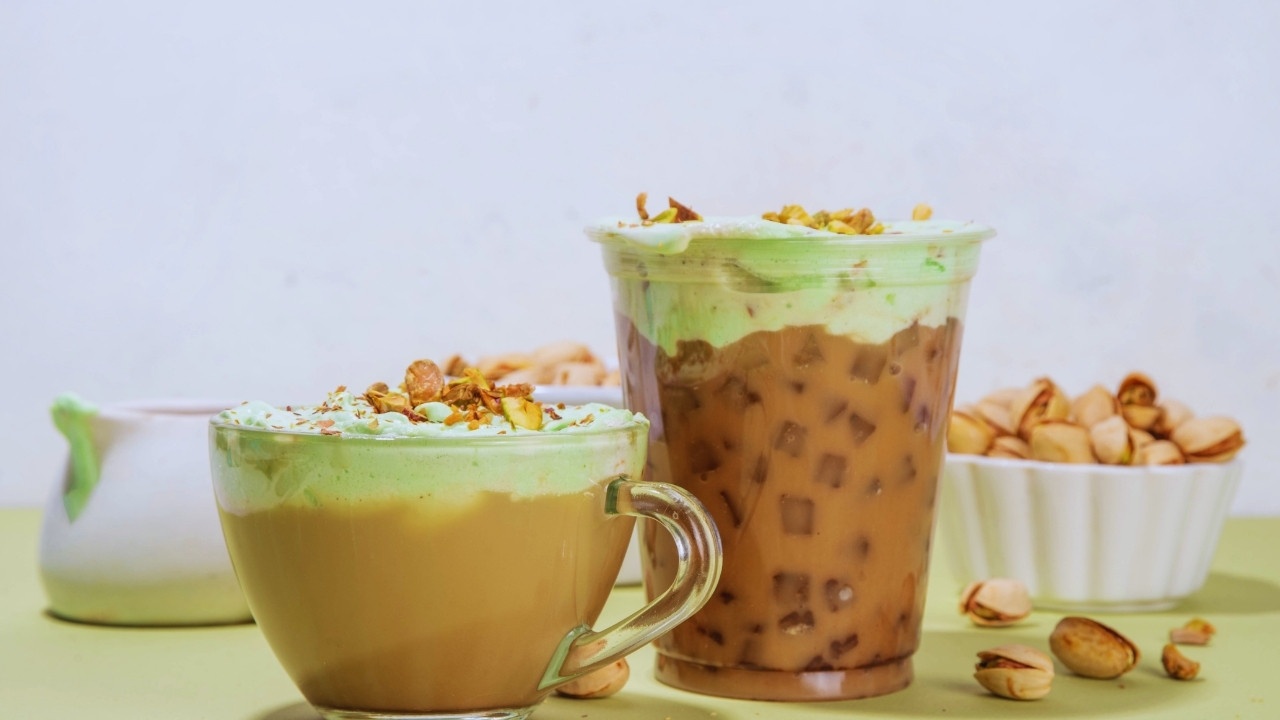
Emerging Trends in Coffee Alternatives
For years, coffee has been the beverage of choice for many, but a notable transformation is underway. A significant number of consumers are seeking alternatives, driven by factors like caffeine sensitivity, health benefits, and a heightened awareness of sustainability. There's a growing inclination towards beverages that provide focus without the jitters, immune benefits, and stress relief, all promoted through platforms like social media and wellness trends.
As a result, products ranging from herbal teas to advanced mushroom blends are gaining traction among health-conscious individuals.
Functional Teas: A New Category
Functional teas represent an innovative area within the coffee alternative market. Designed explicitly for health benefits, these blends aim to enhance mental clarity, boost immunity, and support digestion.
Frequently used ingredients include:
Ginseng: Aids in energy and cognitive function.
Ginger and Turmeric: Known for their anti-inflammatory properties.
Tulsi (Holy Basil): Supports stress management through adaptogenic qualities.
Matcha: Provides a steady caffeine release to enhance concentration.
These brews are not just health-focused; they also align with lifestyle choices, often found in chic cafés and marketed towards wellness enthusiasts.
Mushroom Drinks: The Adaptogen Revolution
In 2025, the culinary spotlight turns to mushrooms with species like reishi, chaga, lion's mane, and cordyceps making their way into beverages aimed at boosting focus, immunity, and energy levels.
Among these, lion's mane stands out for its potential to enhance cognitive function, drawing in students, remote professionals, and health enthusiasts alike. Similarly, reishi is preferred for its stress-supporting qualities, while cordyceps catches the eye of athletic consumers for its energy-boosting attributes.
Mushroom drinks are available in various forms, such as powdered mixes for hot drinks, bottled beverages, and latte mixes that provide a creamy alternative to coffee.
Herbal and Plant-Based Lattes
The classic latte is undergoing a transformation as consumers mix herbal bases like rooibos, turmeric, or cacao with various plant-based milks such as almond or oat.
These lattes present:
Reduced caffeine: An ideal option for those avoiding coffee.
Rich in antioxidants: Many herbs are packed with protective flavonoids.
Unique flavors: Offering combinations of ingredients like rose and lavender for a gourmet touch.
These elevated beverages can be found in cafes and grocery stores, often marketed as luxurious yet health-conscious alternatives.
Chicory and Grain Alternatives
Chicory and roasted grains such as rye and barley are returning to popularity as coffee substitutes. These options deliver a similar flavor to coffee without the caffeine, making them perfect for evening enjoyment.
Chicory: Offers earthy, nutty flavors and can be enjoyed solo or mixed with coffee.
Roasted Grains: These add a creamy texture and robust flavor to beverages.
Dandelion Root: Provides a mildly bitter alternative closely mirroring coffee's taste.
This resurgence appeals to individuals searching for healthy, gluten-free, and low-acid options, as many of these drinks are easier on digestion compared to traditional coffee.
The Science Boosting Popularity
A variety of scientific trends are fueling interest in coffee alternatives:
Gut Health Awareness: Traditional coffee can be hard on the digestive system. Functional teas are gentler options.
Cognitive Support: Ingredients like ginseng and lion's mane are recognized for their potential mental benefits.
Circadian Rhythm Considerations: Low or no-caffeine options allow a morning ritual without sleep disturbances.
Bioavailability of Nutrients: Many modern teas and mushroom drinks include complex nutrients to boost absorption.
Cafés Embracing the Shift
Today’s cafés are redefining the coffee culture by introducing premium alternatives rather than relegating them to mere substitutes. Innovative options like mushroom lattes, turmeric golden milk, and iced herbal teas are gaining popularity, offering a blend of wellness and aesthetics.
Baristas are honing their crafting skills, focusing on temperature and texture to create delightful coffee alternative drinks. This trend represents a broader cultural shift, where consumers embrace beverages as part of a holistic and enjoyable lifestyle.
Ready-to-Drink Offerings
Brands are rapidly expanding their range of ready-to-drink (RTD) coffee alternatives. These convenient options include herbal extracts, mushroom powders, and plant-based milks in easily accessible formats.
RTD products cater to:
Professionals looking for quick, functional beverage options.
Travelers who prefer caffeine alternatives while on the move.
Health-conscious younger generations who are intrigued by trendy drinks.
These products often highlight features like sustainable sourcing, clean ingredients, and adaptogenic benefits, appealing to today's eco-conscious consumers.
Seasonal Innovations
Coffee alternatives are also benefiting from a surge in seasonal flavors. Current popular trends include:
Spiced Drinks: Lattes infused with cinnamon, cardamom, or ginger.
Chocolate Options: Featuring cacao nibs or cocoa butter.
Floral Blends: Incorporating hibiscus, rose, or lavender.
Citrus Flavors: Combining lemongrass or orange peel for a fresh twist.
These creative offerings attract consumers seeking unique and shareable experiences, especially on social media.
Health Benefits Matter
Beyond their appealing tastes, coffee alternatives deliver real health advantages:
Lower Caffeine: Helping to alleviate anxiety and jitters.
Stress-Reducing Properties: Adaptogens help promote relaxation.
Antioxidant Benefits: Many herbs improve overall wellness.
Digestive Support: Gut-friendly options enhance digestive health.
Combining flavor with health benefits makes coffee alternatives an attractive trend for 2025.
Sustainability and Ethical Practices
Many coffee alternatives are designed with ethical and environmental considerations in mind. Products like functional teas and plant-based lattes often feature:
Lower water use compared to conventional coffee production.
Local sourcing and regenerative agricultural practices.
Eco-Friendly packaging, including refillable options or recyclable materials.
These sustainability factors are increasingly influencing consumer choices, promoting a conscious and satisfying beverage experience.
Integrating Alternatives into Daily Routines
For those eager to explore these alternatives:
Morning Ritual: Swap one coffee daily for a functional tea or adaptogenic latte.
Mid-Morning Pick-Me-Up: Consider using herbal blends to keep focus levels up without caffeine overload.
Evening Routine: Opt for caffeine-free herbal options for a soothing end to the day.
Mixing and Matching: Combine chicory with herbal infusions to create unique flavors.
Home Experiments: Use plant-based milks, spices, and natural sweeteners to craft your beverages.
These adjustments can enhance energy management, digestion, and add variety to your everyday life.
The Road Ahead for Coffee Alternatives
As the year unfolds, coffee alternatives are not merely another trend; they signify a profound lifestyle shift, with consumers eager for beverages that blend taste, functionality, and sustainability.
Future developments might include:
Enhanced Adaptogenic Blends: This will delve into combinations of various mushrooms and herbs.
Innovative Plant-Based Milks: Focused on improving flavor and nutritional content.
Functional Ready-to-Drink Options: Expanding access to diverse beverages.
Sensory Experiences in Cafés: Concentrating on taste, aroma, and presentation to captivate consumers.
The future of coffee alternatives looks vibrant, allowing consumers to enjoy the best of both worlds.
Disclaimer:
This article serves informational purposes only, reflecting recent trends in the realm of coffee alternatives and does not constitute medical advice.