Welcome to the New Age of Identity Verification
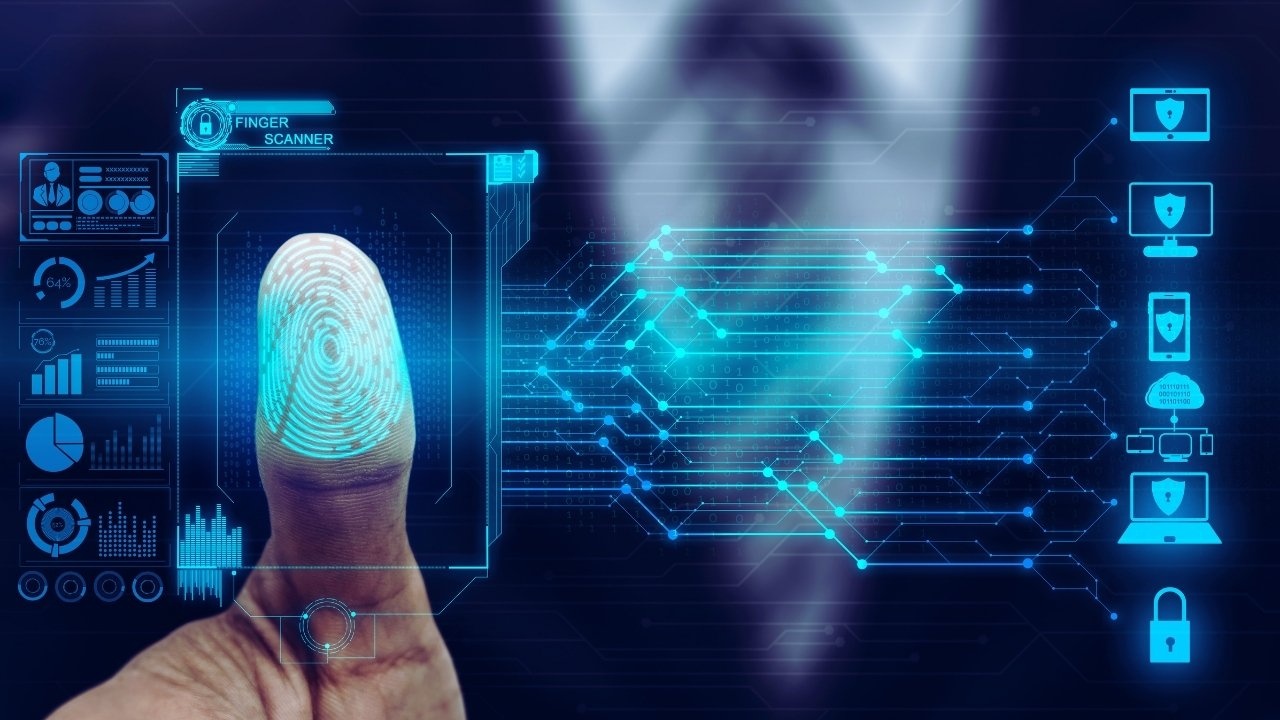
For years, fingerprints reigned supreme in the realm of digital security. Just a tap on a scanner brought a futuristic touch to unlocking devices and systems. However, as the landscape of security threats shifts and remote access becomes the norm, technology is evolving faster than ever.
A silent revolution is underway, ushering in a realm where your voice, the unique patterns of your veins, behavioral cues, and even your device-holding habits will define your identity.
This shift represents a move towards deeply personalized and human-centric identity security, driven not only by convenience and safety but also by a greater need to combat fraud.
The Limitations of Traditional Biometrics
While fingerprints and facial recognition systems have offered convenience, they come with significant limitations:
– Biometrics can be stolen or replicated
– High-resolution images raise concerns about facial recognition
– Identical twins may confuse biometric systems
– Data breaches raise questions of privacy
– Contact-based methods have hygiene issues
As criminal techniques become more sophisticated, reliance on a single static identifier for Identity is no longer viable.
The paradigm is shifting from “what you possess” or “what you remember” to who you inherently are and your behavioral patterns.
Voice Biometrics: The Sound of Identity
Voice encapsulates more than mere sound. It is a unique signature defined by airflow, vocal cord dynamics, tone, and rhythm. Every voice carries distinct elements, which voice biometric systems assess:
– tonal quality and pitch
– frequency nuances
– vocal vibrations
– speech patterns and rhythm
– resonance from the mouth and nose
Voice technology is already applied in:
– banking security
– customer service verification
– smart technology interfaces
– secure workplace access
– healthcare services for accessibility
The advantages are undeniable: hands-free, efficient, and intuitive.
However, obstacles remain. Security systems must mitigate risks from playback attacks and AI-generated voices while filtering environmental noise. Innovations now focus on detecting live speakers, variations in emotional tone, and stress responses to counteract potential manipulation.
Voice technology is quickly carving out its place as a prevalent form of personal identification.
Vein Biometrics: The Inner Signature of Identity
When the need for identification surpasses surface characteristics, vein-mapping technology offers a robust solution. Unlike fingerprints prone to duplication, veins are internal, invisible, and extremely difficult to forge.
Vein authentication assesses:
– unique blood vessel architecture
– blood flow patterns
– responses of oxygen levels
– vein depth and arrangement
Common methods include:
– palm-vein detection
– finger-vein authentication
– wrist vein scanning
Key advantages include:
– reliance on biological signatures
– superior security and reliability
– functionality with damages or protective gear
– minimal false match occurrences
Sectors utilizing vein biometrics encompass:
– high-security financial environments
– governmental and defense institutions
– patient verification in hospitals
– advanced security controls in buildings
– identity checks in public domains
In fact, vein technology might surpass DNA capabilities as the risk of accidental collection of genetic material is minimized.
Behavioral Biometrics: Understanding Actions as Identity
Behavioral biometrics delve into everyday actions and interactions. These systems observe natural behaviors rather than relying solely on physical characteristics.
Analyzing unique, subconscious patterns helps identify:
– typing speed and rhythm
– pressure applied during touch
– style of mouse movement
– gait and posture
– smartphone grip and minute hand motions
– scrolling habits
– device tilt and motion adjustments
– timing of login activities
This means behavior can serve as the key to access.
Envision unlocking your accounts just by typing or walking as you naturally do. Your everyday subtle patterns provide a continual authentication backdrop.
This innovative approach is incredibly challenging for impostors to replicate and aligns seamlessly with a world where user-device interaction is constant.
Rising Trends in Biometrics
A Remote-Centric Economy
The rise of remote work and digital onboarding necessitates secure identity checks that don’t require physical presence. Voice, behavioral, and vein technologies are redefining accessibility.
The Increasing Complexity of Cybercrime
Fraudsters employ advanced techniques using AI, deepfake audio, synthetic identities, and spoofing methods.
Traditional approaches struggle against such advancements.
Touchless Convenience
The push for contactless authentication has gained traction amid health concerns. No taps or scans are required—identity can stand on its own through presence.
Efficiency in Digital Onboarding
In finance, health, and telecommunications, rapid global onboarding of users mandates quick, automated identity verification.
Advancements in AI and Sensors
Mobile sensors have evolved significantly. AI now grasps subtleties, opening doors to unprecedented authentication capabilities.
Where Such Technologies Will Be Implemented
– mobile banking platforms
– smart homes & automotive systems
– security protocols at airports
– immigration and border checks
– remote enterprise networks
– crypto wallets and digital currencies
– healthcare identity systems
– academic platforms for testing integrity
– secure manufacturing and research facilities
Biometric systems are set to safeguard not just financial assets but also educational and health infrastructures, enriching daily life experiences.
Benefits Beyond Security
A Seamless User Journey
Authenticating identity can occur without friction: no passwords or codes are necessary.
Enhanced Fraud Protection
These systems are tough to duplicate and protect identity with a uniqueness akin to DNA.
Inclusion of All Users
Those with disabilities and elderly individuals can easily access systems without the hassle of manual authentication.
Emotional & Security Considerations
Behavior monitoring can identify signs of distress or coercion, offering vital safeguards during forceful access scenarios.
Addressing Privacy & Ethical Challenges
The emergence of personal identity technologies brings forth crucial responsibilities, including:
– the storage of biometric data
– control over identity databases
– transparency and consent from users
– counteracting deepfake threats
– misuse prevention by surveillance authorities
– prioritization of opt-in systems
While tech advances are inspiring, they also require a balance of ethical practices and stringent oversight.
Identity should uplift individuals rather than expose vulnerabilities.
Innovation needs to be grounded in trust.
The Path Ahead for Digital Identity
We are moving toward multi-faceted biometric ecosystems, where identity possesses fluidity, stratification, and adaptability.
Future authentication methods might blend:
– vocal tone analysis
– palm vein scanning
– typing rhythms
– real-time behavior patterns
Systems will evolve beyond simply asking “Who are you?”, instead they will possess an understanding of you—constantly, subtly, contextually.
Passwords may fade into history.
Identity will transform into an organic, perpetual essence.
In Conclusion
We stand on the brink of a new age in identity—one where your voice, vein patterns, and behavior define who you are. These emerging technologies pave the way for a future of robust security, effortless access, and deep-seated trust in the digital realm.
Success hinges on achieving a balance—maintaining ease while respecting consent, ensuring efficiency without compromising privacy, and championing innovation without undermining autonomy.
The next wave of authentication is fundamentally human, rooted in our biology, behaviors, and the unique identifiers that define our individuality.
While technology may advance, identity remains personal, innate, and uniquely ours.
Disclaimer:
This editorial aims to shed light on emerging biometric trends for informational purposes. Adoption practices, security levels, and regulatory standards may differ across regions and sectors. Individuals and organizations should carefully assess privacy implications and compliance requirements before implementing new biometric systems.