Security Under Scrutiny
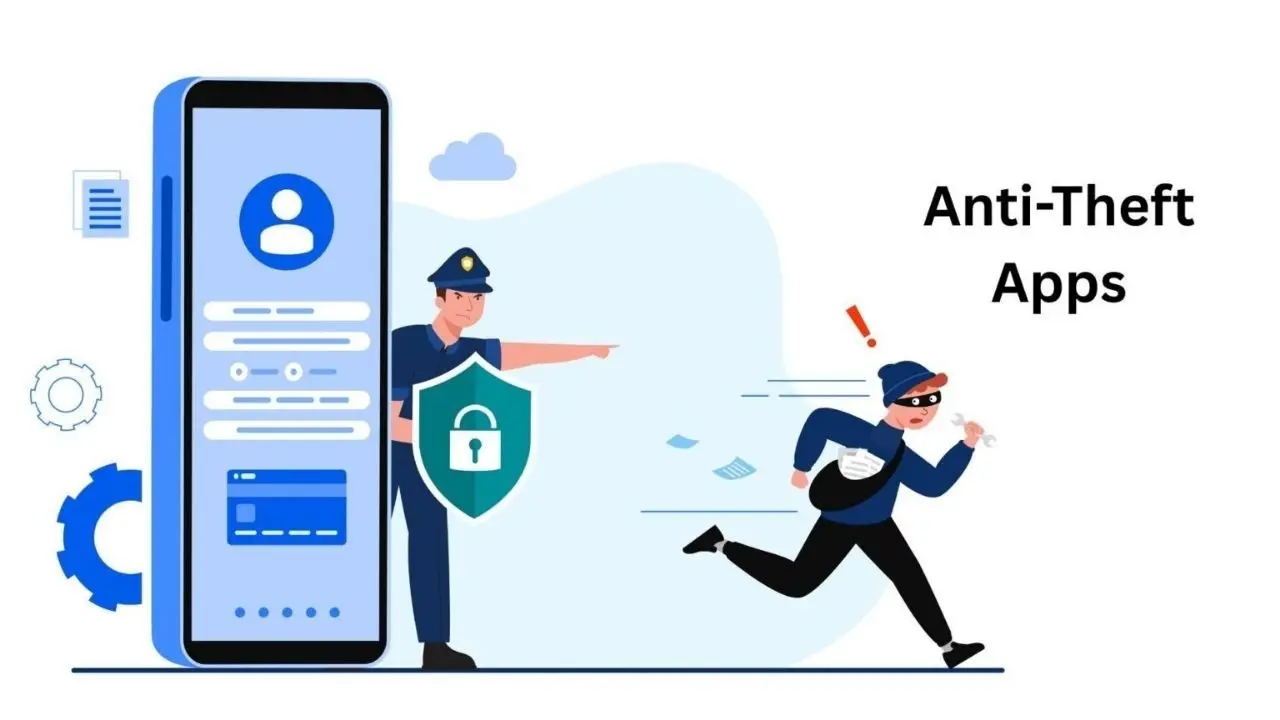
Losing a smartphone goes beyond just misplacing a device—it's akin to losing a personal vault filled with sensitive data. Modern individuals often equate their lost phones to a lost grasp on their personal and professional lives. In this light, the rise of anti-theft applications has been notable. They promote capabilities like tracking, locking, erasing data, and even taking remote photos of whoever is in possession of your phone. They market a sense of security in an increasingly digital world.
While their features are undeniably appealing—locating lost devices, disabling stolen phones, and erasing sensitive information—these apps also raise essential questions. Tracking can border on surveillance, and with abilities to lock devices, they also create potential openings for data breaches. The distinction between protective measures and invasive monitoring is often alarmingly blurred.
As the capabilities of anti-theft technology grow, users find themselves confronted with a pressing dilemma: do these applications safeguard privacy, or do they jeopardize it?
Behind the Mechanisms of Anti-Theft Applications
Understanding the operational mechanics is crucial in assessing the inherent risks.
GPS and Connectivity
Most of these apps harness GPS, cellular networks, and internet connectivity to pinpoint the location of devices. Once engaged, they consistently track the device’s whereabouts and relay updates to a central dashboard.
Although users may think they’re viewing a simple interface, the data is actually being logged, worked through, and retained by the companies running these applications.
Control Features and Their Implications
Functionality includes:
-
Locking devices
-
Deleting files
-
Flashing screens
-
Triggering alarms
-
Disabling SIM cards
-
Monitoring activity logs
-
Taking photos
-
Using microphones
Each of these functionalities calls for extensive permissions, meaning these apps operate deep within the digital architecture of the device.
User Profiles and Privacy
To use these applications, individuals frequently register with personal information—email addresses or phone numbers—creating profiles that may include extensive data histories, including location and activity records.
Consequently, a user's real-world presence seamlessly transitions into digital footprints.
The Allure of Anti-Theft Apps
The promise of security is compelling.
Motivation from Anxiety
The emotional turmoil that follows a stolen phone is profound. Individuals often visualize unwanted access to personal messages, photographs, and financial accounts. Anti-theft tools provide an illusion of control amidst chaos.
Familial Trust in Tracking
Tracking is normal within family dynamics, with many parents employing these apps to ensure the safety of children, partners sharing locations, and elderly users relying on family assistance during critical situations.
In this context, surveillance becomes almost customary under the guise of protection.
The Corporate Push
Businesses often mandate the installation of these applications on work devices, citing security as the rationale.
However, the demarcation between organizational security and employee oversight often becomes muddled.
A Price for Safety: The Cost of Data
Installing anti-theft apps often entails a trade-off between privacy and protection.
Excessive Permissions
Many applications seek access to:
Many users impulsively authorize these requests in their time of need, often unaware of the full scope of data access bestowed.
Destination of Your Data
Where might your data be stored?
-
Corporate servers
-
Cloud environments
-
Partner networks
-
Third-party databases
Individuals often remain oblivious as to:
-
The duration of data retention
-
Access permissions granted
-
Encryption status
-
The potential for anonymous sales
-
Legal sharing practices
Privacy agreements tend to be extensive, convoluted, and frequently overlooked.
When Safety Morphs into Surveillance
Mere surveillance doesn’t always exhibit obvious traits.
Movement Patterns and Insights
User location histories can illustrate:
-
Residential patterns
-
Work locations
-
Recreational spots
-
Social gatherings
-
Routine behaviours
-
Daily habits
Location data transforms into behavioural intelligence, revealing nuances beyond user cognition.
From Intent to Scrutiny
Tracking a device may be justified, yet tracking an individual encroaches on ethical territory.
Surveillance without consent shifts from protection to control.
Anti-Theft Tools Risking Personal Freedom
Protective tools can easily be abused.
Unethical Monitoring
Such tools are sometimes exploited in abusive dynamics, allowing individuals to track their partners without awareness.
Worker Oversight
Remote capabilities might function as subtle surveillance cameras, creating a climate of unease for employees even beyond working hours.
Digital Control Mechanisms
Remote locking features may be weaponized for control. Survivors of digital abuse report being barred from their own devices.
The interplay of technology in personal relationships invariably shifts power dynamics.
Evaluating Application Safety
Not all anti-theft options are created alike.
Importance of Transparency
Trustworthy apps disclose:
A lack of clarity warrants caution.
Minimalist Permission Philosophy
Reliable apps limit requests to essential permissions. If an app demands access to microphones or contacts without clear justification, alarm bells should sound.
Storage Strategies: Local vs. Cloud
Applications that retain data locally invariably limit risks; those reliant on cloud systems prompt legitimate security apprehensions.
Navigating Legalities vs. Practical Experience
Although privacy regulations exist, real-world enforcement is inconsistent.
Weak Consent Frameworks
Agreeing to terms does not equate to informed consent. Legal jargon seldom supports user understanding.
Frequent Data Breaches
No system is infallible. Breaches expose sensitive location and device data, turning it into high-value targets for malicious entities.
User Powerlessness Post-Submission
Once data is shared with third parties, retrieval becomes a mission impossible while clandestine monitoring may persist.
The True Beneficiaries of Data Accumulation
When a service is offered at no charge, you might be the product.
Monetizable Data Insights
Location information can be capitalized upon. Behavioural statistics draw in advertisers, and device histories pique the interests of analytical companies.
Users may unwittingly circulate their privacy in a marketplace.
Corporate Disclosure Deficiencies
Companies frequently disclaim directly selling personal data. However, partnerships and anonymization still yield profits from user activity.
The Paradox of Safety in Digital Age
Ironically, tools intended for safety may expose individuals to vulnerabilities.
Invisible Control Dynamics
Users often do not receive insights showing:
This obscured processing paints privacy in abstract hues.
Guarding Against Dependence on Security
Over time, individuals may enter a cycle of reliance on these apps, neglecting to foster precautionary habits.
Some applications inadvertently dissuade proactive behaviors by erecting digital safety nets.
Signs that an App Might Be Unsafe
Indicators of potential risk include:
-
Unreasonable access requests
-
Ambiguous privacy guidelines
-
Undefined data usage
-
Compulsory account sign-ups
-
Absence of deletion functionalities
-
No claims of encryption
-
Hidden features that raise red flags
If you’re not clear about app functionalities concerning your data, then it’s likely they’re overreaching.
Maintaining Awareness Without Paranoia
Awareness acts as your primary defense.
Controlling Permissions
Grant only necessary permissions; consider restricting background access.
Regularly Review Privacy Settings
Conduct monthly updates on permissions, eliminating unnecessary access.
Limit Tracking Applications
Minimizing the number of tracking applications reduces risk exposure.
Opt for Built-In Solutions When Feasible
Native operating system solutions often provide enhanced security oversight.
Educating Family Members
It’s vital for both young and elderly users to comprehend the nuances between safety and monitoring.
Can Total Digital Safety Be Achieved?
Total safety is an illusion.
The aspiration isn’t for flawless protection.
It’s about achieving equilibrium.
Balancing Risk Against Peace of Mind
Users must evaluate what they are willing to sacrifice:
Privacy for convenience
Exposure for protection
Safety for speed
Unfortunately, there’s no single answer.
Anticipating the Future
Expect smarter anti-theft technologies ahead.
AI-driven Surveillance
Next-generation systems may identify patterns, flag anomalies, and improve recovery efforts.
Simultaneously, they risk amplifying control.
Biometric Innovations
Face and voice verification could eventually replace traditional passwords.
However, leaked biometric info is irreversible.
Discreet Monitoring Paradigms
Tracking may become pervasive, unobtrusive, and continuous.
In silence, surveillance persists.
Making Informed Decisions
Before deciding to install any anti-theft app, consider:
Who controls my data?
Where is it directed?
Can it be erased?
Who governs access?
Does this truly enhance safety or bolster control?
Fear shouldn’t dictate your choices; informed awareness should guide you.
Conclusion: Tools Reflect Their Users' Intentions
Anti-theft applications aren't villains or heroes; they are tools shaped by intention. They can offer protection or exert control, rescue or intrude.
Morality is not solely a product of technology, but rather a reflection of those wielding it.
As smartphones become more integrated into our lives, securing them shouldn't require compromising our freedoms. Digital safety shouldn't come at the cost of our autonomy.
Ultimately, the safest device is not the one cloaked in extreme monitoring but the one understood and governed by its user.
Disclaimer
This article serves general informational purposes and does not offer legal or cybersecurity advice. Readers should independently evaluate app policies and consult professionals regarding data protection or security issues.