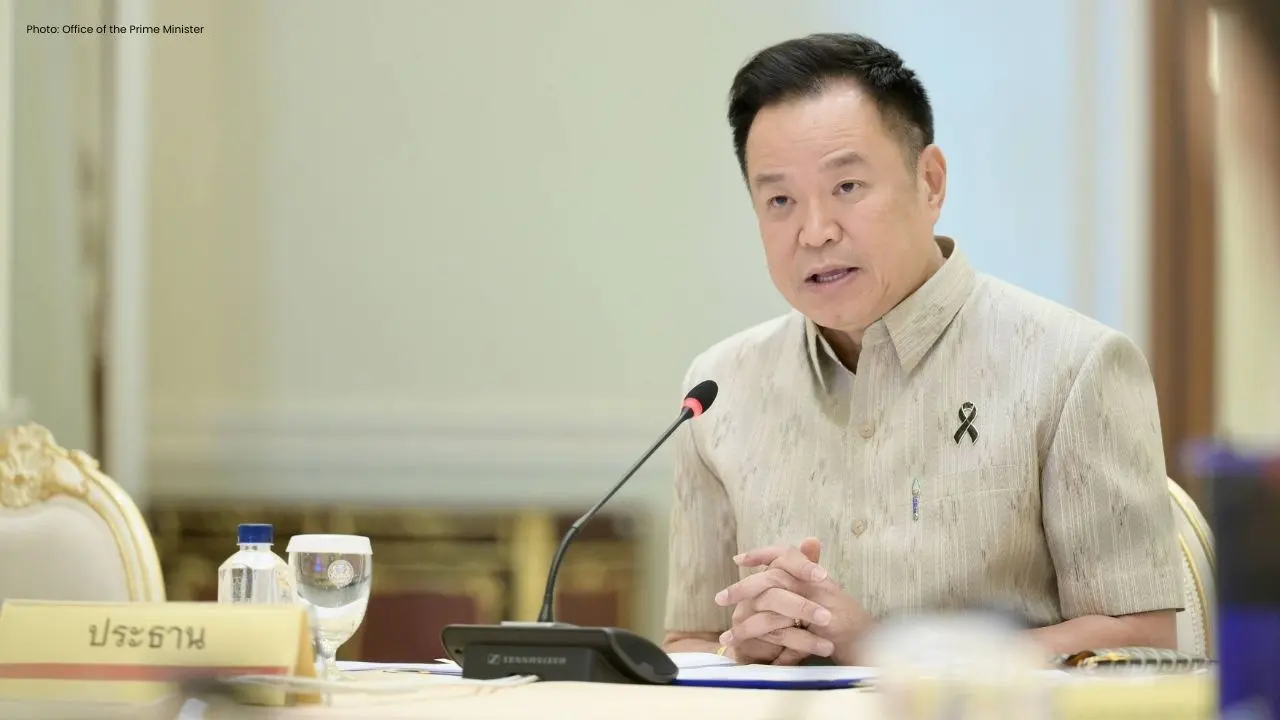
In a significant move, the government of Thailand has unveiled a strategy aimed at reducing electricity expenses while fostering green energy initiatives. The National Energy Policy Council (NEPC), under the leadership of Anutin Charnvirakul, has approved new electricity pricing structures and incentives for rooftop solar energy adoption.
The new policy stipulates that the first 200 units of electricity for residential users will be capped at 3 baht per unit. This adjustment is slated to be implemented by June 2026, aiming to ease household bills while promoting smarter energy consumption.
For residential use exceeding 200 units, rates will be recalibrated to encourage conscientious usage. Officials are optimistic that this tiered pricing model will decrease overall energy demand and enhance efficiency nationwide.
Additionally, the government plans to allocate savings from natural gas to subsidize electricity bills for households using up to 200 units monthly during the May to August 2026 timeframe, contributing further to financial relief.
To promote rooftop solar installations, the NEPC has introduced a new net billing approach. This allows homeowners to sell their excess electricity back to the grid for a fixed price of 2.20 baht per unit for a duration of up to 10 years.
The initiative includes a target to acquire up to 500 megawatts of surplus solar electricity, capped at a maximum of 5 kilowatts per household. It aims to escalate the use of renewable energy and lessen reliance on conventional power sources.
Government officials have underlined the necessity for all sectors to effectively carry out this policy. With an anticipated benefit for over 20 million households, this initiative marks a robust progression towards sustainable energy solutions and reduced living expenses.