The conflict between the United States and Iran has intensified, with the current situation in the Strait of Hormuz posing potentially severe ramifications for global peace and economic stability. New developments have amplified military dangers while also casting doubt on both market stability and diplomatic efforts.
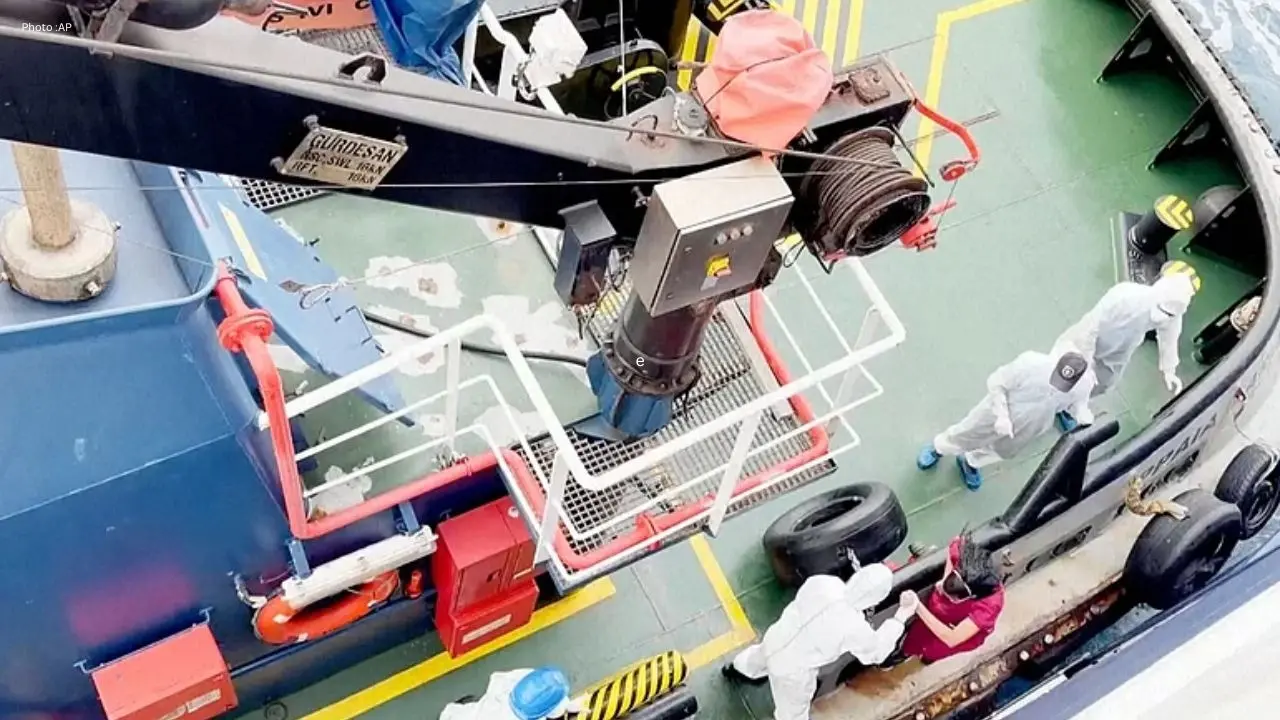
Recent actions have seen the United States seize an Iranian cargo vessel near the Strait, accusing it of attempting to evade a naval blockade. This act has significantly heightened tensions, with Iran labeling it a violation, pledging a robust response.
As both nations seemingly gear up for negotiations while trading threats, the situation has muddled expectations. Although talks in Pakistan were anticipated, Iran has yet to confirm its involvement, further dimming hopes for a diplomatic resolution.
The Strait of Hormuz is pivotal in this scenario, serving as a critical artery for global oil transport—approximately 20% of the world’s oil supply traverses these waters. Disruptions in this region could provoke immediate repercussions on global energy supply and pricing.
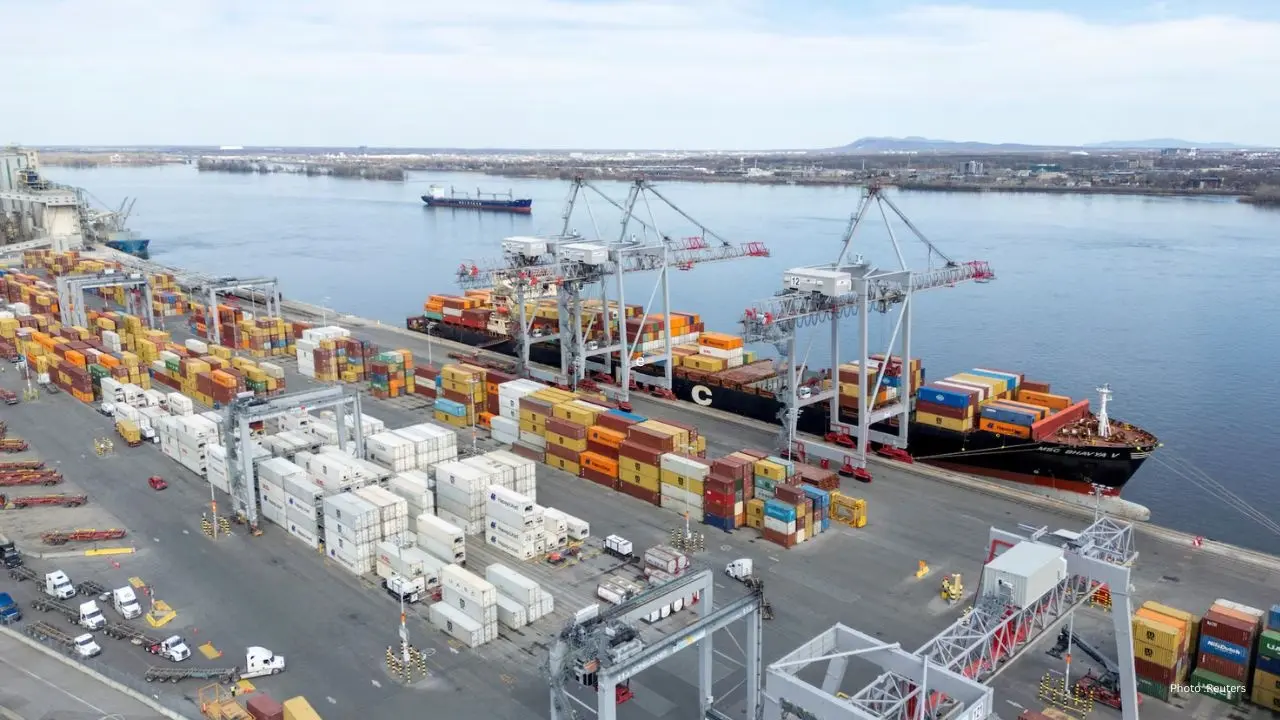
Shipping activities are already feeling the strain due to heightened tensions. Reports indicate that tanker movements have been curtailed, leaving some vessels unable to navigate safely. Consequently, oil prices have surged, exerting additional pressures on importing nations.
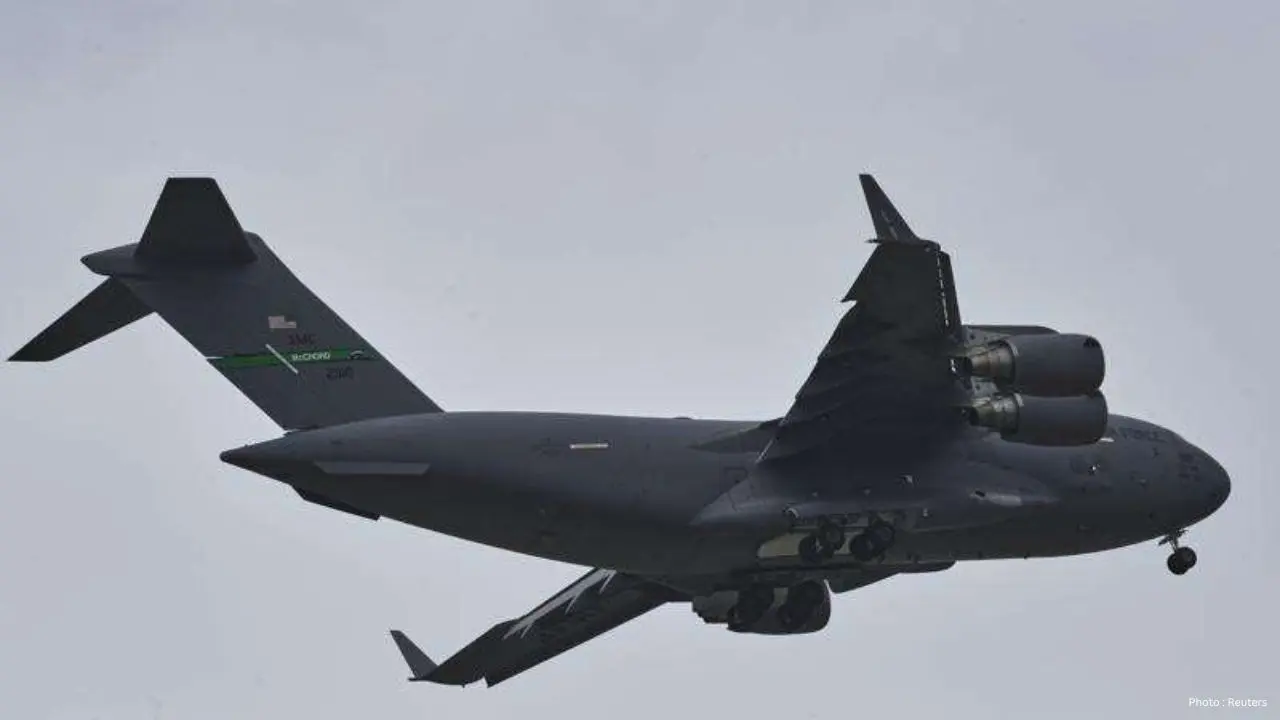
The roots of this conflict can be traced back to earlier intrusions involving coordinated military actions between the United States and Israel against Iran. Since then, tensions have escalated through missile strikes, drone assaults, and maritime skirmishes, leading to the loss of thousands of lives and widespread suffering.
A fragile ceasefire is presently in effect, but its expiration looms. The likelihood of increased hostilities raises the stakes for both diplomatic engagements and global stability in the coming days.
This situation is set to exert significant influence on the global economy, with spikes in oil prices driving up fuel costs—affecting transportation, industry, and daily life. Consequently, financial markets are showing signs of strain as investors react to the underlying uncertainty.
Experts caution that even with a potential ceasefire extension, normalcy may take time to restore. Already disrupted shipping routes, oil supply lines, and international relations could require months to recover fully.
The significance of global diplomacy takes center stage as world nations monitor the situation closely, urging dialogue to avert further violence and economic fallout. Only through peaceful negotiations can we hope to mitigate the ongoing humanitarian crisis.
This crisis in the Strait of Hormuz underlines the interconnectedness of our world. A localized conflict can quickly ripple outwards, impacting economies and people globally.
With no definitive resolution in sight, the decisions made by both the US and Iran in the immediate future will be crucial in determining the region's trajectory and its broader global implications.