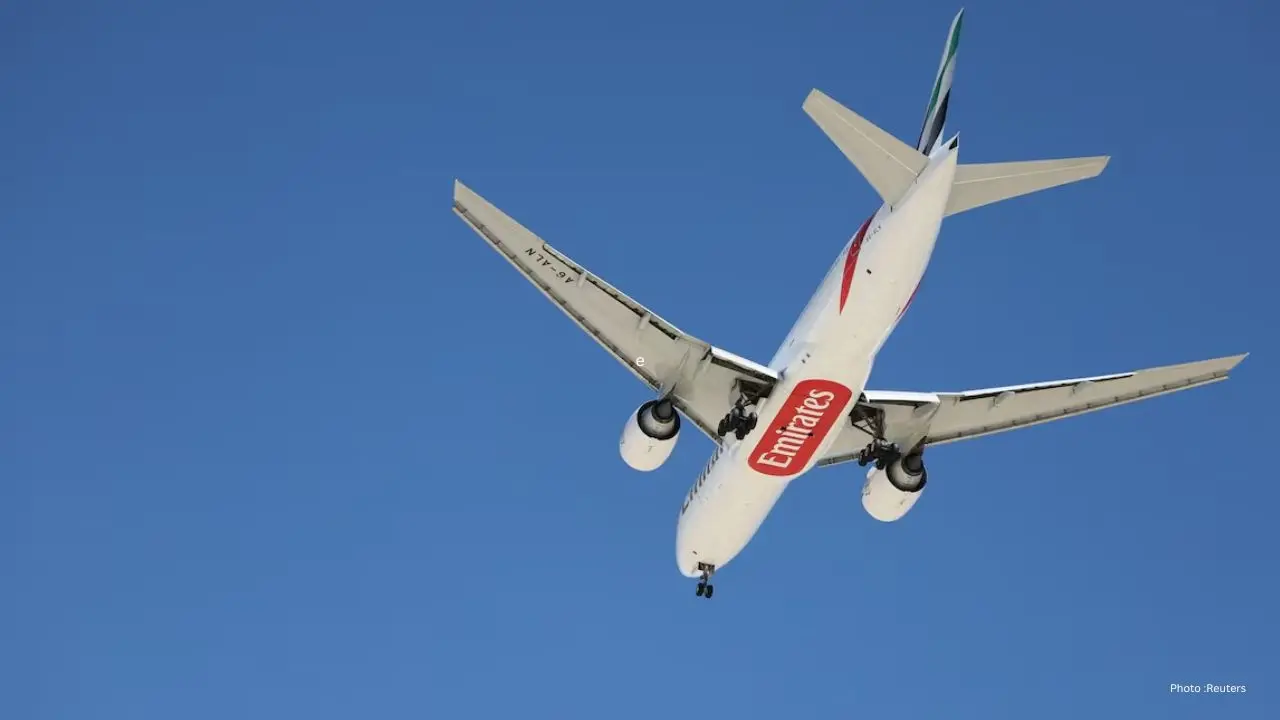
Canada is preparing to choose between Swedish and American airborne radar aircraft as part of a major defence modernization plan aimed at strengthening the country’s airspace protection and Arctic surveillance capabilities. The federal government is reportedly looking to purchase around six Airborne Early Warning and Control (AEW&C) aircraft, commonly known as “flying radar planes,” in a deal expected to cost more than $5 billion.
The aircraft would play a key role in detecting incoming threats, monitoring military activity, and coordinating air defence operations across Canada’s vast northern territory. Defence officials say the project has become increasingly important because of rising geopolitical tensions, growing Arctic security concerns, and Canada’s commitments under the North American Aerospace Defense Command (NORAD).
According to defence reports, the competition mainly involves Sweden’s Saab GlobalEye system and the American Boeing E-7 Wedgetail aircraft. Both platforms are advanced airborne surveillance systems capable of tracking aircraft, missiles, ships, and other threats over long distances. However, the two aircraft differ significantly in design, operational philosophy, and industrial partnerships.
The Boeing E-7 Wedgetail is considered a full Airborne Early Warning and Control platform, meaning it acts not only as a flying radar but also as an airborne command center. Military analysts say the aircraft can independently coordinate fighter jets, manage communications, and direct military operations during combat or emergencies. The E-7 is already used by countries including Australia, South Korea, and the United Kingdom.
Meanwhile, Sweden’s Saab GlobalEye system is being promoted as a more flexible and cost-effective alternative. Saab has reportedly proposed assembling part of the aircraft in Canada, creating domestic aerospace jobs and reducing long-term dependence on the United States for defence equipment. The Swedish proposal has gained political attention at a time when Canada is increasingly discussing defence diversification and strategic independence.
The debate surrounding the radar aircraft purchase is also connected to Canada’s broader fighter jet strategy. Canada previously committed to buying 88 American-made F-35 fighter jets, although reports suggest the government may now reconsider the full order and potentially add Swedish Gripen fighter aircraft to the fleet. Defence experts say the radar plane decision could influence future military cooperation and procurement choices.
Supporters of the Swedish option argue that relying less on American military systems could provide Canada with greater strategic flexibility. Some political analysts have pointed to recent trade tensions and political disagreements between Ottawa and Washington as reasons Canada may want to diversify defence partnerships. Online discussions and defence forums have also shown strong public support for expanding cooperation with European defence manufacturers.
However, military experts warn that interoperability with NORAD and NATO remains extremely important. American officials have reportedly expressed concern that reducing dependence on U.S. military systems could complicate joint operations and continental air defence coordination. The United States has stressed that common equipment and shared communication systems help both countries respond quickly to threats in North American airspace.
Canada’s need for modern airborne surveillance aircraft has become more urgent because of increasing Russian and Chinese military activity in the Arctic region. Defence planners believe the new radar aircraft would significantly improve Canada’s ability to monitor northern airspace, detect long-range threats, and support military operations in remote regions where communications infrastructure is limited.
The federal government has not yet announced a final decision or official timeline for selecting the aircraft. Defence analysts expect the competition to remain politically sensitive because of the economic, military, and diplomatic implications connected to both the Swedish and American proposals. For now, the project is being viewed as one of Canada’s most important defence procurement decisions in recent years.