Escalating tensions between the United States and Iran are raising alarms in international oil markets as military presence and negotiations unfold in the Gulf.
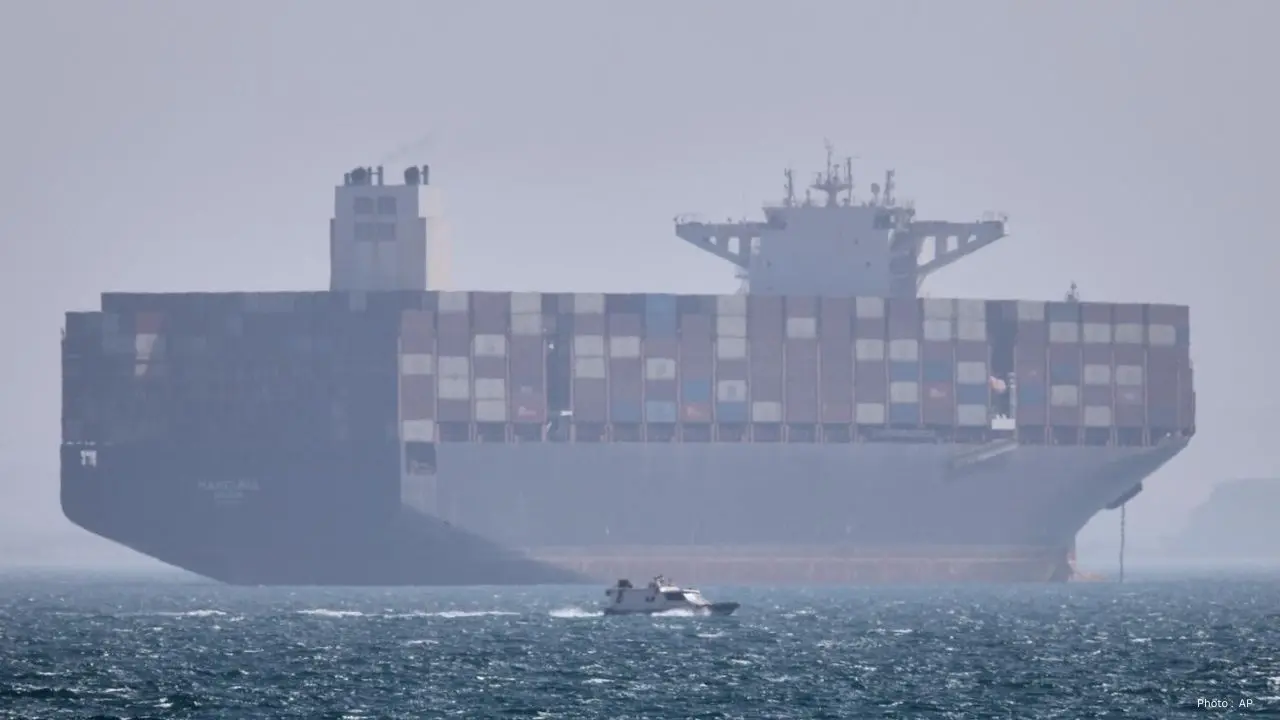
The focus is once again on the Strait of Hormuz, crucial for crude oil and energy supply shipping. This strategic waterway sees a significant volume of global oil trade daily, making its stability vital for the worldwide economy.
Reports indicate U.S. and Iranian officials are attempting to mitigate tensions while continuing talks around security and nuclear issues. However, military activities near the Gulf persist, underscoring the sensitive nature of the situation.
U.S. Vice President JD Vance noted that, although neither side is at war, the circumstances remain perilous. Washington is keen on securing stronger assurances regarding maritime safety, regional stability, and Iran’s nuclear agenda.
One major concern for the global market is the potential for disruptions in shipping through the Strait of Hormuz. Any incident could spike fuel prices and affect oil supplies globally. Preliminary reports indicate Iran may be willing to maintain open shipping routes if diplomatic talks progress.
Amidst ongoing negotiations, military actions have persisted in the region. U.S. forces have engaged in responses to heightened security threats near pivotal maritime routes, primarily due to rising drone activities and other regional threats.
The volatility in oil markets is evident, with energy prices fluctuating as traders grow wary of instability in the Gulf disrupting global supply chains. Countries heavily reliant on imported fuel are closely monitoring developments, knowing that soaring oil prices could lead to increased transportation and living costs.
Gulf nations are also vigilant about the ongoing situation, as their economies are closely tied to safe shipping lanes and energy exports. Any major disruption could jeopardize economic growth and international trade.
Relations between Washington and Tehran have long been strained over various issues including sanctions and nuclear activities. Although attempts at negotiation have occurred, trust remains scarce between the two governments.
Global leaders continue to advocate for diplomatic resolutions to avoid a broader conflict. European nations and regional partners are urging both sides to steer clear of military escalation and keep open lines of communication.
In financial markets, global investors are reacting sensitively to changes in the Gulf. Geopolitical uncertainties in energy-rich areas often provoke swift responses; oil supply disruptions could ripple through industries such as aviation, manufacturing, and transport.
The Strait of Hormuz stands out as one of the most strategic passageways globally, with substantial oil exports routing through daily, underscoring its importance for global economic stability.
Security experts caution that even minor military incidents in the Gulf could heighten the risks of broader conflicts if diplomatic solutions falter. Naval forces from diverse nations remain in the vicinity to safeguard commercial shipping and uphold maritime security.
Conversations between the U.S. and Iran hint at a preference for diplomatic avenues rather than prolonged military engagement. Analysts suggest that successful negotiations could alleviate pressure on oil markets and foster regional stability.
The upcoming weeks are likely to be pivotal as global leaders observe military movements and diplomatic efforts in the Gulf, where decisions made could sway oil prices, international trade, and worldwide economic confidence.