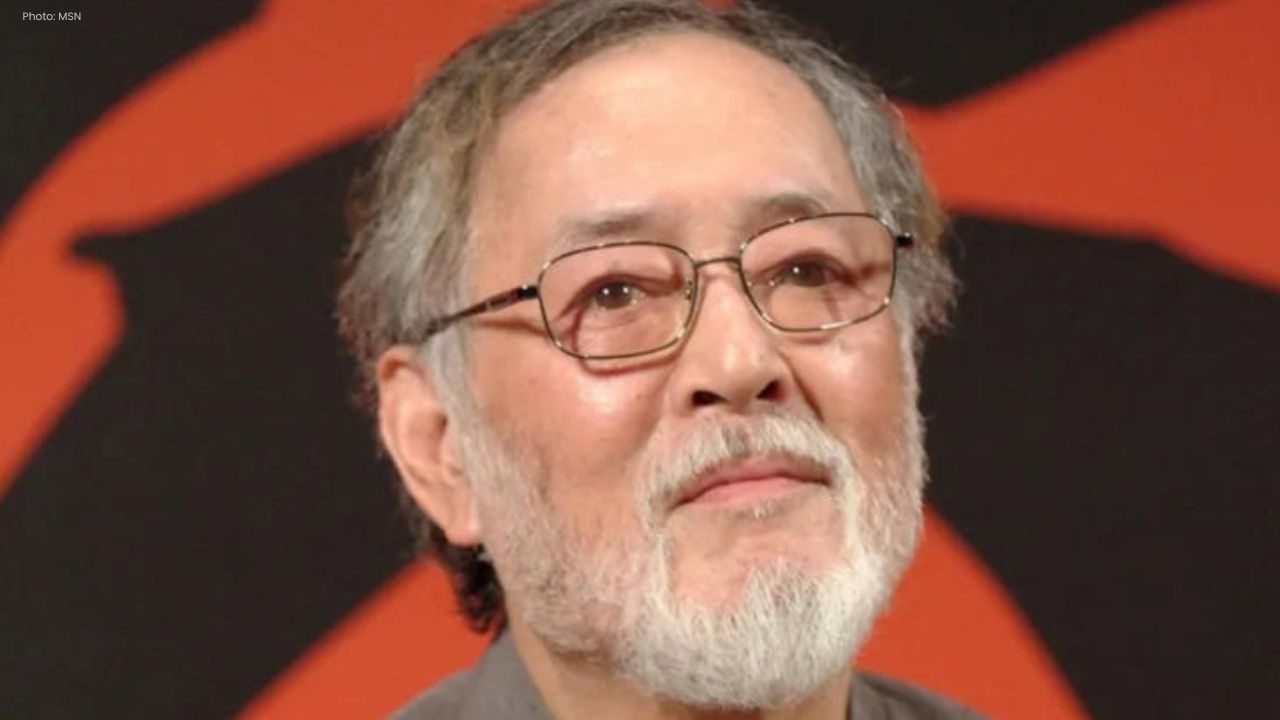
Tatsuya Nakadai, a revered figure in world cinema and noted for his exceptional versatility, passed away at 92 on November 8 in Tokyo. His passing signifies the end of an era, as Nakadai was celebrated as one of the last symbols of Japan's golden age of filmmaking. He crafted a legacy filled with timeless performances in cinematic masterpieces like Ran and Harakiri, leaving an impactful mark on the international film landscape.
Journey into Cinema
Nakadai’s cinematic journey was unique. With his remarkable features and expressive eyes, his first significant role was as an extra in Akira Kurosawa’s renowned Seven Samurai (1954). This brief encounter captured Kurosawa's attention, paving the way for his illustrious career.
Identifying Nakadai's commanding presence, Kurosawa cast him as the cunning adversary to Toshiro Mifune in Yojimbo (1961). Their compelling on-screen rivalry captivated audiences worldwide. The duo reunited for Sanjuro (1962), where Nakadai showcased another impressive performance alongside Mifune’s strong character.
They continued their partnership with High and Low (1963), a notable crime thriller where Nakadai portrayed a steadfast detective working to solve a tense kidnapping case, amplifying his reputation in both contemporary and historical narratives.
International Acclaim
As he gained worldwide recognition in the mid-1960s, following the end of Kurosawa's longstanding collaboration with Mifune, Nakadai seized the opportunity to shine in more of Kurosawa's ambitious projects.
In 1980, he impressed audiences with a captivating performance in Kagemusha, playing both a powerful samurai lord and the thief meant to impersonate him. This film won the esteemed Palme d'Or at Cannes, a testament to Nakadai's remarkable ability.
His most memorable role came in 1985 with Ran, the visually stunning interpretation of Shakespeare’s King Lear by Kurosawa. As Lord Hidetora, Nakadai delivered a profound portrayal of a ruler's tragic journey, cementing this performance as one of the most significant in Japanese film history.
A Cornerstone of Japanese Cinema
Even as Kurosawa's work gained international acclaim, Nakadai’s most significant contributions within Japan arose from his collaboration with director Masaki Kobayashi. Their partnership spawned 11 influential films that profoundly shaped Japanese cinema after the war.
Their initial collaboration was the remarkable trilogy The Human Condition (1959–61), a groundbreaking anti-war narrative spanning over nine hours. Nakadai’s profound portrayal as Kaji, who confronts moral challenges amidst wartime atrocities, is one of his most distinguished roles.
Their following classic, Harakiri (1962), is hailed as one of the best samurai films ever made. Nakadai’s chilling yet controlled performance, paired with Kobayashi's minimalist vision, created a film still revered for its rich emotional resonance.
Nakadai showcased his range again in The Sword of Doom (1966), playing a merciless and emotionally distant samurai—a role he frequently mentioned as one of his favorites.
Continuing his vibrant career in film and theater for decades, Nakadai’s final screen appearance came in 2020, marking over sixty years in the industry. His extensive work has set a standard for excellence that resonates even among emerging talents.
With the rise of international streaming platforms, Nakadai’s timeless performances are now more accessible to audiences globally, underscoring his essential role in the study of Japanese film while influencing creators and viewers across cultures.
Tatsuya Nakadai’s passing signifies the close of a remarkable chapter in global cinema. His performances, brimming with deep emotional resonance and artistry, will continue to inspire future generations.