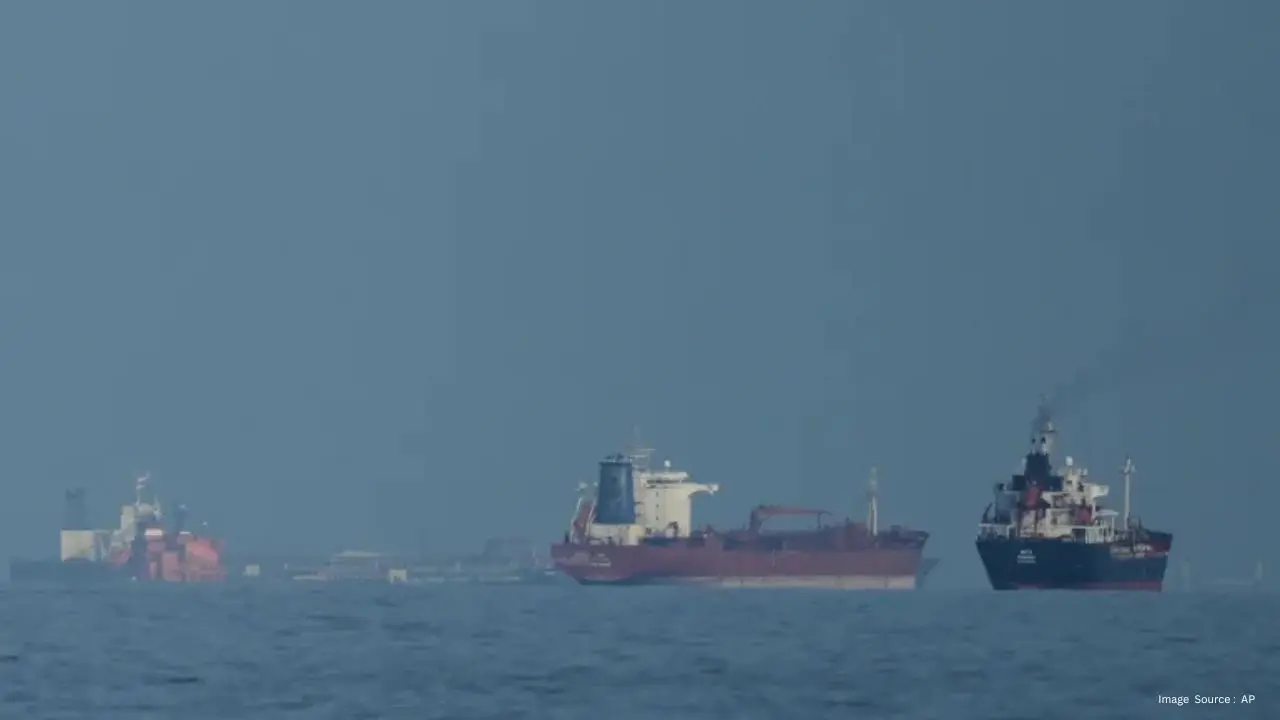
In recent developments, global oil prices have surged dramatically following the announcement of a US naval blockade against Iran. This situation raises significant alarms regarding energy supply chains and economic stability across the globe. Brent crude oil, a primary global benchmark, has ascended past the $103 mark per barrel, indicating a rapid price increase.
This spike can be traced back to the blockade, which came in the wake of collapsed peace negotiations between the US and Iran. As tensions escalate in the Middle East—an essential oil supply region—the reaction from oil markets has been swift, leading traders to anticipate potential supply interruptions.
The Strait of Hormuz emerges at the epicenter of this escalating crisis. This critical waterway is utilized for transporting nearly one-fifth of the world’s oil and gas. Any threatened access to this route could trigger immediate market distress, significantly impacting energy distribution to numerous countries across Asia and Europe.
According to the newly imposed blockade, the US aims to limit navigation to and from Iranian ports, likely diminishing global oil availability. Analysts predict the potential withdrawal of millions of barrels from daily circulation, resulting in heightened prices.
This unfolding scenario is not abrupt; rather, it’s part of a broader conflict simmering over the past weeks. After a brief ceasefire between both nations led to a temporary dip in oil prices, the failure of subsequent negotiations has reignited tensions and led to this latest blockade.
The repercussions of climbing oil prices are already evident worldwide, triggering declines in various stock markets and weakening currencies amid fears of soaring expenses and inflation. Nations reliant on oil imports, such as India, find themselves particularly vulnerable, with reports indicating mounting pressure on the Indian rupee.
Rising oil costs typically correlate with increased expenses in transportation, energy, and everyday commodities, potentially elevating inflation rates and straining living conditions for average citizens. Governments may encounter difficulties managing fuel prices, potentially resulting in public unrest.
The situation may escalate further, with Iran signaling possible retaliation against the blockade. Any military response could exacerbate supply disruptions and amplify prices even more, heightening fears of an enduring energy crisis.
As the global economy continues its recovery from previous shocks, this emerging crisis adds to the strain. Central banks could be compelled to maintain elevated interest rates to curb inflation, which, in turn, may hinder economic expansion.
Energy analysts categorize the recent developments as one of the most pressing challenges to global energy security in years. The often tumultuous dynamics of the Middle East can directly impact oil supplies worldwide, reinforcing the necessity for nations to lessen their oil dependency.
Additionally, the US’s blockade raises crucial political implications. While some experts interpret the action as a firm stance against Iran, others caution it may exacerbate tensions and provoke further conflict. The global community remains vigilant, aspiring for a resolution that emphasizes diplomacy.
The forthcoming days are poised to be pivotal. If tensions escalate, oil prices could rise further, impacting global economies adversely. Conversely, renewed diplomatic engagements could stabilize markets.
This sharp ascent in oil prices underscores the intricate links between political decisions and worldwide market dynamics, as a single regional event can resonate across the globe.
Uncertainty looms large once again, with the ramifications of this crisis likely to influence the trajectory of global energy and economic health.