Are Smartphones Approaching Their Limits?
Smartphones have dominated our daily lives for nearly twenty years, serving as replacements for various devices like cameras and music players. However, innovation seems to plateau; while annual upgrades bring slight enhancements—brighter screens, sharper cameras—the underlying user experience hasn't fundamentally changed.
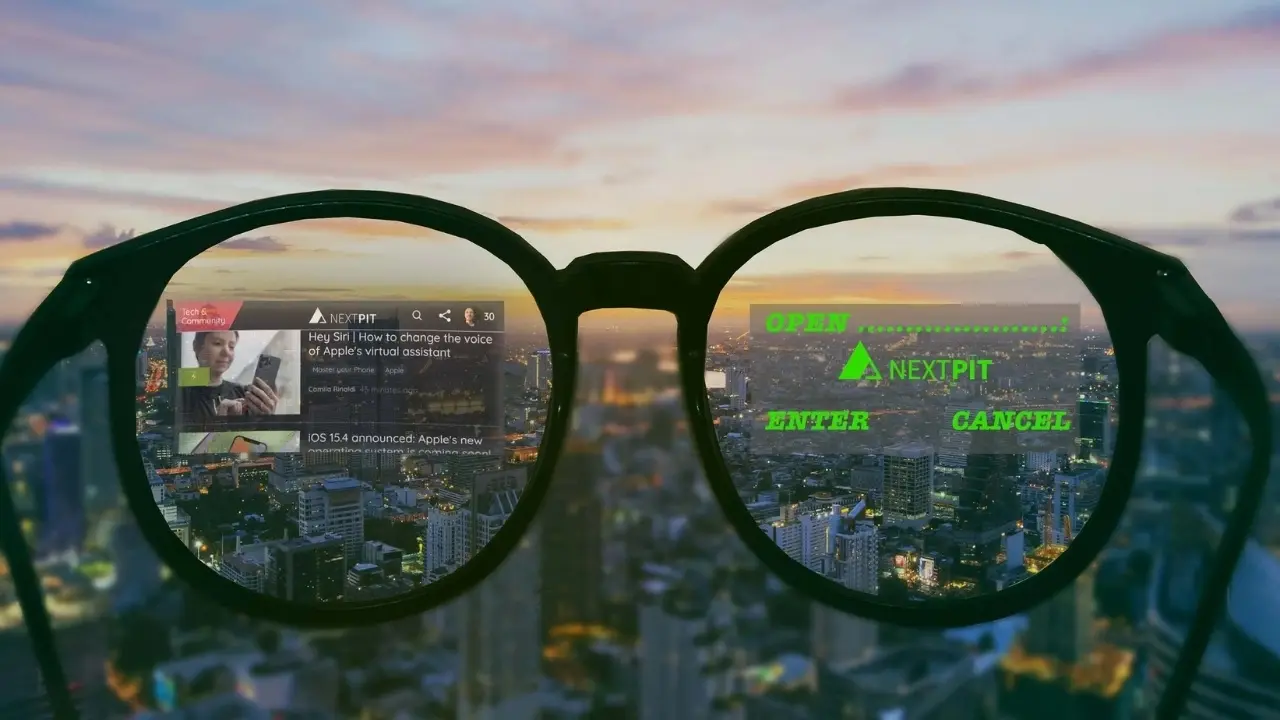
In contrast, smart glasses have been quietly advancing, shedding their image as clunky and impractical gadgets. Experts suggest that by 2027, these devices may take over as the primary personal computing device for countless users.
This transformation will be gradual, driven by enhancements in design, weight, social acceptability, and daily usage integration. The crucial question is not if smart glasses will take over smartphones, but when and how.
What Are Smart Glasses?
Smart glasses resemble regular eyewear but are integrated with digital technology. Their features typically include:
Micro displays projecting into the user’s field of vision
Awareness-enhancing cameras and sensors
Microphones and speakers for voice interactions
Connectivity through Wi-Fi, Bluetooth, and cellular networks
Artificial intelligence, either on-device or cloud-based
Unlike traditional smartphones, smart glasses promise a hands-free experience, using voice commands, gestures, and eye tracking, thus offering significant advantages in usability.
The Interest of Tech Giants in Smart Glasses
Leading technology companies are pouring investments into smart glasses, as smartphone market saturation becomes evident. The next frontier is in ambient computing, seamlessly meshing technology into daily life.
These companies aim to control the next major interface connecting users to the digital landscape, anticipating smart glasses to replace phones in handling essential tasks.
The stakes are clear: owning the leading wearable platform translates to controlling communication, commerce, and entertainment.
Technologies Enabling Phone-Ready Smart Glasses
AI: The Engine Behind Smart Glasses
Artificial intelligence plays a pivotal role in smart glasses, enabling them to grasp context and intent effortlessly. Rather than engaging with apps, users merely articulate their needs:
Thus, smart glasses evolve from passive displays into dynamic, interactive companions.
Augmented Reality: Replacing Traditional Screens
Smartphones depend on flat screens. In contrast, smart glasses employ augmented reality, projecting digital content onto the physical world.
Instances include:
Guiding arrows appearing on real-world paths
Notifications subtly displayed in peripheral vision
Real-time captions during conversations
Product highlights while shopping
This eliminates the monotony of continuously glancing down at a screen, thus speeding up and enhancing interactions.
Progress in Micro-Displays and Optical Tech
Historically, smart glasses fell short due to inadequate, uncomfortable displays. By the years 2026-27, enhancements in waveguides and micro-LED tech will lead to displays that are:
Such advancements will help glasses mimic regular eyewear while granting impressive digital experiences.
Battery and Chip Innovations
Previously, battery life was a major hindrance. Now, low-energy processors tailored for wearables allow smart glasses to function throughout the day with lightweight batteries.
Tasks can now be processed both:
This hybrid approach significantly refines performance while maintaining comfort.
Replacing Smartphone Functions with Smart Glasses
Screen-less Communication
Smart glasses are already equipped to handle:
Voice calls through bone-conduction technology
Reading and dictating messages
Instant language translation
By 2027, conventional text-based communication may seem outdated next to context-aware voice and visual messaging offered via eyewear.
Navigate Smoothly
Smartphones are heavily used for navigation. Smart glasses will improve this experience by:
Presenting real-time directions within physical vistas
Visually marking significant landmarks
Delivering real-time transit updates hands-free
This functionality is especially beneficial while driving, walking, or traveling in unfamiliar regions.
Seamless Photography and Video
Smart glasses empower users to instantly capture moments without needing to reach for their phones. Capabilities include:
This innovation becomes essential for creators, journalists, and casual users, serving as an effective alternative to phone cameras.
Payments and Secure Identity
With biometric verification and secure tech, smart glasses can manage:
Contactless transactions
Digital tickets
Boarding passes
Identity checks
A mere glance or vocal command could replace the traditional tap at payment stations.
Boosting Work Efficiency
In work settings, smart glasses can enhance productivity by providing:
These features are particularly impactful in industries like healthcare, logistics, engineering, and education.
2027: A Pivotal Year
By 2027, several critical developments are expected:
Wider social acceptance of the technology
Reliable contextual AI
Battery longevity meeting consumer needs
Developed app ecosystems
Reduced pricing for consumers
This reflects the initial transition seen with smartphones from 2006 to 2008, characterized by skepticism before a rapid acceptance upon reaching usability thresholds.
Key Players: Apple, Meta, and Google
Each major company approaches smart glasses differently:
Apple prioritizes seamless integration, privacy, and user experience
Meta focuses on social connections, creativity, and immersive experiences
Google emphasizes AI-driven functions and information accessibility
Their collective investments facilitate rapid innovation and increased public awareness.
India's Role in Smart Glasses Adoption
India stands to emerge as a major market for smart glasses, driven by:
A youthful, tech-savvy demographic
High mobile data consumption
A burgeoning creator economy
Need for multilingual translation
Fast-paced urban navigation demands
Smart glasses may particularly benefit:
Gig economy workers
Delivery personnel
Tour guides
Healthcare professionals
Students
Still-Facing Challenges
Concerns Over Privacy and Surveillance
Face-mounted cameras trigger valid concerns. Public acceptance hinges on:
Without trust, widespread adoption will falter.
Design and Social Acceptance
Consumers will be inclined to wear smart glasses regularly only if they:
Appear discreet
Feel comfortable
Suit personal aesthetics
Design quality is as critical as technological advancements.
Cost Considerations
Initial models will likely be pricey. For smart glasses to widely replace phones, they'll need to be:
Will Phones Become Obsolete?
Not in the immediate future. Phones are likely to evolve into secondary devices, handling:
Meanwhile, smart glasses will assist in instant interactions, reflecting the past transformation of phones overtaking desktops for quick tasks.
A Glimpse into Daily Life in 2027
You awaken to your schedule softly displayed
Directions show up right when you step outside
Messages are read out loud as you go
Payments occur seamlessly
You find yourself capturing memories immediately
Your phone remains mostly in your pocket
This potential reality isn’t merely science fiction; it reflects advancements already in the pipeline.
Conclusion: A New Era of Wearable Technology
Smart glasses signify the forthcoming significant leap in personal tech. Just as smartphones consolidated multiple devices, smart glasses are positioned to redefine how we engage with information by transforming interaction dynamics.
By 2027, we may shift from asking, “Do you have your phone?” to “Are you wearing your glasses?”
This transition will unfold softly, may face hurdles, and will spark debate, but it is undeniably in motion.
Disclaimer:
This piece serves informational aims and reflects ongoing tech trends and forecasts. Actual timelines for adoption may vary based on technological, regulatory, and market shifts.