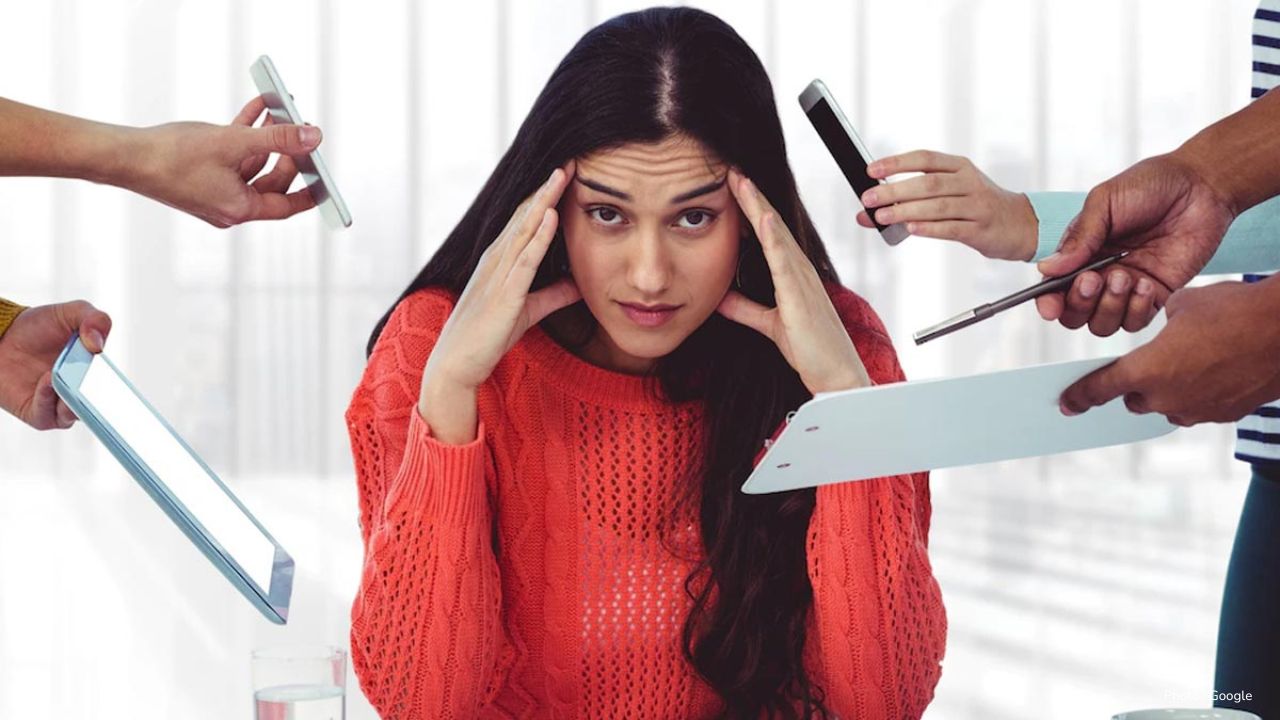
Stress is a common problem in today’s busy world. Work pressure, school, traffic, money problems, and family responsibilities can make anyone feel stressed. Stress can affect your health, sleep, mood, and energy.
The good news is that there are simple and effective ways to reduce stress in daily life. You don’t need expensive tools or therapies. Small changes in your routine and habits can make a big difference.
This article explains easy tips to help you feel calmer, happier, and more relaxed every day.
1. Take Deep Breaths
Deep breathing is one of the fastest ways to reduce stress.
Sit or stand comfortably.
Take a slow, deep breath through your nose.
Hold for 2–3 seconds, then exhale slowly through your mouth.
Repeat for 5–10 minutes.
Deep breathing relaxes your mind and body and lowers stress levels.
2. Exercise Regularly
Exercise is not only good for your body but also for your mind.
Go for a walk, jog, or run daily.
Try yoga or stretching exercises at home.
Even 10–20 minutes of movement can reduce stress.
Exercise releases chemicals in your brain called endorphins that make you feel happy and calm.
3. Get Enough Sleep
Lack of sleep can increase stress and affect your mood.
Sleep 7–8 hours every night.
Go to bed and wake up at the same time daily.
Avoid mobile phones or TV before sleeping.
A good night’s sleep helps your mind recover and handle stress better.
4. Eat Healthy
Food affects your mood and energy.
Eat fruits, vegetables, whole grains, and proteins.
Avoid too much sugar, junk food, and caffeine.
Drink plenty of water to stay hydrated.
Healthy food gives your body energy to cope with stress.
5. Take Short Breaks
Working or studying for long hours increases stress.
Take short breaks every 1–2 hours.
Stretch, walk, or simply close your eyes for a few minutes.
Do something you enjoy, like listening to music or reading.
Short breaks help your mind refresh and stay focused.
6. Practice Mindfulness or Meditation
Mindfulness means paying attention to the present moment without worry.
Sit quietly and focus on your breathing.
Notice your thoughts without judging them.
Practice 5–10 minutes daily.
Meditation reduces anxiety and helps you feel calm and in control.
7. Talk to Someone
Sharing your feelings with friends or family can reduce stress.
Talk openly about your problems or worries.
Seek advice or simply share your thoughts.
If needed, consult a counselor or professional.
Talking helps you release tension and find solutions to problems.
8. Do Activities You Enjoy
Taking time for hobbies and fun activities reduces stress.
Read, draw, paint, or listen to music.
Play sports or do gardening.
Even small enjoyable moments improve your mood.
Doing things you love gives your mind a break from stress.
9. Limit Screen Time
Too much time on phones, computers, or social media can increase stress.
Take breaks from screens regularly.
Avoid negative news or social media arguments.
Spend time talking with family, exercising, or being in nature.
Limiting screen time helps your mind stay calm and focused.
10. Stay Positive
Your thoughts can affect how stressed you feel.
Focus on good things in your life.
Write a daily gratitude list of things you are thankful for.
Replace negative thoughts with positive solutions.
Positive thinking reduces stress and helps you face challenges with confidence.
Disclaimer
Stress is part of life, but it does not have to control you. By following simple daily habits like deep breathing, exercising, sleeping well, eating healthy, taking breaks, practicing mindfulness, talking to someone, enjoying hobbies, limiting screen time, and staying positive, you can reduce stress and live a calmer, happier life.