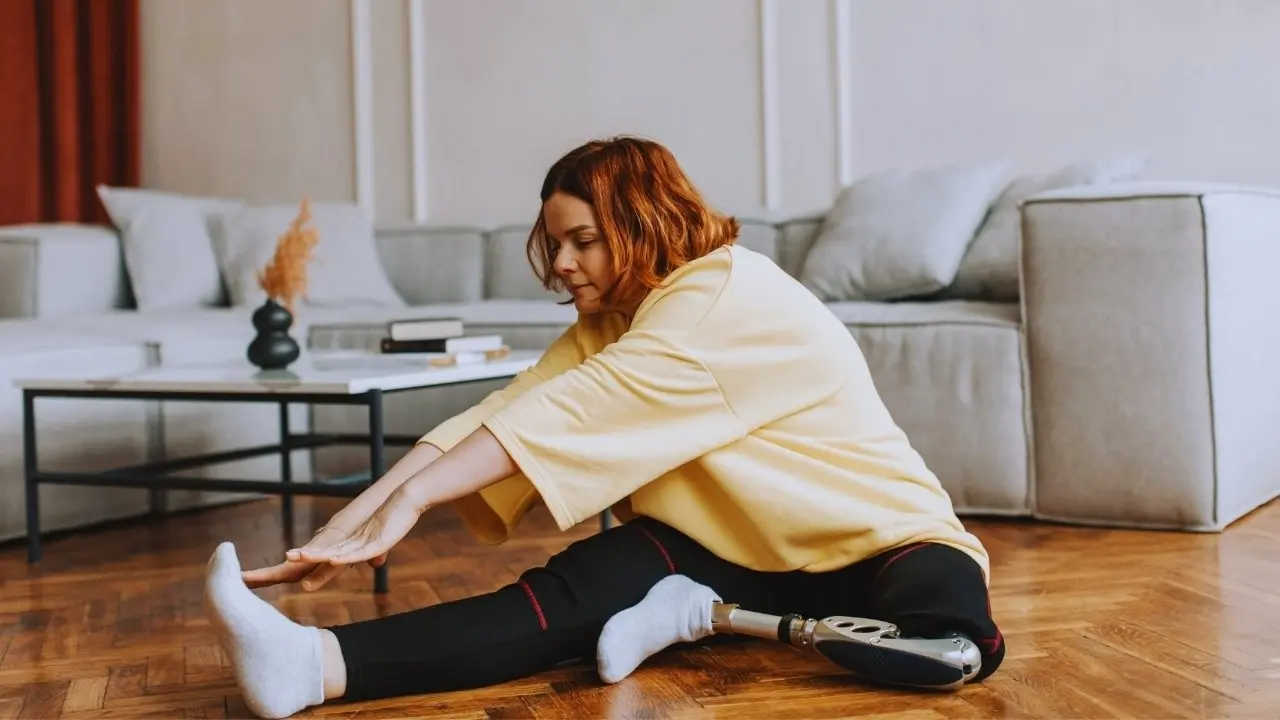
Adapting Movement for Remote Work
The shift to remote work has significantly altered our movement patterns and body mechanics. Traditional ergonomic setups have been replaced with dining chairs and couches, leading to prolonged periods in less-than-ideal postures. This shift has resulted in increased reports of neck pain, lower-back discomfort, shoulder tightness, and wrist strain.
Physiotherapists are now witnessing a spike in patients suffering from physical discomfort not due to strenuous activity, but from insufficient movement. Our bodies aren't designed for constant sitting; prolonged lack of motion causes muscle tightening, joint stiffness, and reduced circulation.
In response, experts recommend incorporating short, structured exercise routines into the daily schedules of those working from home—plans that are equipment-free and designed for quick integration.
Effects of Sedentary Work on the Body
Recognizing how sedentary habits influence our physical health sheds light on why brief exercise routines can be so beneficial.
Strain on Neck and Shoulders
Leaning over laptops for extended periods stresses the neck and upper back muscles, leading to chronic tension and headaches.
Lower Back Discomfort
Poor seating arrangements weaken core muscles, increasing pressure on the spine.
Wrist Strain
Typing on uneven surfaces can strain wrists and tendons.
Tight Hips
Extended sitting shortens hip flexors, affecting overall posture.
Impaired Circulation
Lack of movement can reduce energy levels and well-being.
Implementing a brief daily exercise routine can help mitigate these issues by enhancing flexibility, circulation, and posture.
Effective Short Exercise Plans
Physiotherapists advocate for short routines as they seamlessly incorporate into everyday life. Lengthy workouts can seem daunting, whereas 8-12 minute sessions are manageable and easily executable.
Benefits of Short Routines:
-
Offer frequent breaks during the day
-
Enhance posture without extensive training
-
Quickly relieve muscle tightness
-
No special equipment needed
-
Can fit into work breaks
-
Encourage regularity
These routines are most beneficial when performed twice daily: once in the morning and again in the afternoon or evening.
Proposed Short Exercise Plan
Below is the recommended plan from physiotherapists for remote workers, characterized by its simplicity and focus on whole-body wellness.
THE REMOTE WORKER’S PHYSIO ROUTINE
1. Neck Mobility (1 minute)
Neck Tilts
Gently tilt your head to each shoulder, holding for 10 seconds on each side.
Neck Turns
Slowly turn your head from side to side, pausing for 5 seconds on each side.
This exercise helps alleviate tension caused by forward head posture.
2. Shoulder Rolls (1 minute)
Forward Rolls
Roll your shoulders forward in circular motions for 10 repetitions.
Backward Rolls
Reverse the direction and roll backward.
This exercise helps release knots formed by hunching over devices.
3. Upper-Back Stretch (1 minute)
Hug Stretch
Wrap your arms around yourself for a gentle stretch of the upper back.
Wall Stretch
Place both hands on the wall and lean forward, lowering your chest.
This enhances mobility in the shoulder area.
4. Chest Opener (1 minute)
Clasp your hands behind you and lift your chest upwards.
Hold for 20-30 seconds.
This counteracts slouching and resets posture.
5. Seated Spinal Twist (1 minute)
While seated, gently twist your upper body to each side for 10 seconds each.
This improves spinal flexibility and reduces stiffness.
6. Hip Flexor Stretch (1 minute)
Kneel on one knee, gently pushing your hips forward.
Hold for 15-20 seconds on each side.
This targets hip tightness from prolonged sitting.
7. Hamstring Stretch (1 minute)
One leg forward, straightened out, bend slightly at the hips.
Hold for 15-20 seconds on each side.
This alleviates thigh tension and enhances back comfort.
8. Calf Raises (1 minute)
Stand tall and raise your heels off the ground, tightening your calves.
Perform 15-20 repetitions.
This enhances circulation in the lower limbs.
9. Desk Push-Ups (1 minute)
Position hands on a sturdy desk and do incline push-ups.
Aim for 10-15 repetitions.
This increases upper-body strength without the need for a gym.
10. Deep Breathing and Reset (1 minute)
Sit up straight, take a deep breath in, hold briefly, and exhale slowly.
Repeat 6-8 times.
This helps regulate posture and calms the mind.
Synergy of These Exercises
Each movement targets specific issues stemming from sedentary work habits.
Neck and shoulder movements
Help alleviate tension commonly caused by excessive screen time.
Spinal stretches
Encourage healthy posture and decrease back pain.
Hip and hamstring stretches
Diminish tightness that disrupts the body's natural alignment.
Strength-building movements
Support muscles that uphold good posture.
Breathing exercises
Enhance focus and reduce stress levels.
Combining these exercises fosters flexibility, strength, and relaxation—key components of effective work-from-home practices.
Frequency Recommendations for the Routine
Physiotherapists suggest:
-
Morning session to prepare for the day's work
-
Mid-day or post-work session to relieve tension
-
Extra stretches when stiffness arises
The key is not intensity but rather consistency.
Additional Wellness Tips for Remote Workers
Incorporating these routines is only part of the solution; making simple lifestyle adjustments is crucial.
Adjust seating height
Laptops should be aligned with eye level.
Use firm seating
Sofas and beds can adversely affect posture.
Opt for micro-breaks
Stand for 30 seconds every half hour for a significant difference.
Stay hydrated
Proper hydration supports muscle function and curtails fatigue.
Avoid crossing your legs
This can lead to bodily misalignment over time.
Small tweaks can lead to long-term comfort.
Mental Benefits of Brief Exercise Plans
Physical relief comes alongside other positives. Brief routines also:
-
Enhance mood
-
Boost energy levels
-
Combat afternoon fatigue
-
Sharpen focus
-
Minimize burnout
Movement invigorates the mind, contributing to a balanced remote work experience.
Preventative Focus of Physiotherapists
Most physiotherapists advocate for preventive measures over reactive treatments. The aim of these short exercise plans is to prevent serious discomfort or injury from developing.
They promote:
-
Flexibility maintenance
-
Strengthening weaker muscles
-
Natural posture improvement
-
Decreased reliance on pain relief medications
For those working remotely, this preventative approach is crucial.
Future of Wellness in Remote Work
As remote work becomes increasingly permanent, the integration of short exercise routines is likely to become standard practice. Companies may start incorporating stretch breaks into meetings, while families might establish evening exercises focused on movement.
Often the simplest routines yield the most benefits—this brief plan exemplifies how small efforts can lead to significant improvements.
Disclaimer:
This article offers general wellness information and should not serve as a substitute for professional medical or physiotherapy consultation. Individuals with injuries or chronic health issues should consult a certified expert before commencing new exercises.