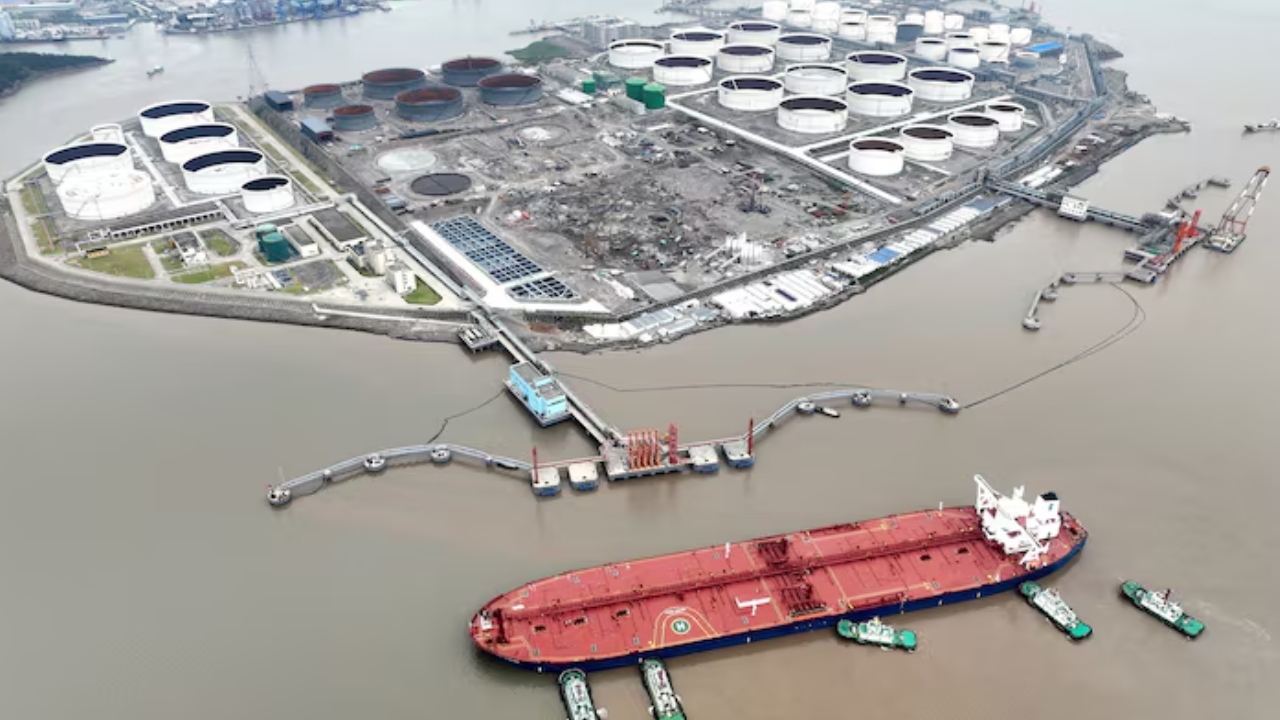
Photo: Reuters
A group of major global shipping companies, including prominent oil tanker firms like Frontline and Bahri, has voiced strong objections to a proposed United Nations Net-Zero Framework (NZF) for marine fuel emissions.
The deal, slated for adoption in October by the International Maritime Organization (IMO), aims to reduce carbon emissions from shipping, which currently represents about 3% of global emissions. The shipping companies argue that the current framework is unrealistic, lacks a level playing field, and could impose excessive economic burdens, potentially impacting consumers through inflation.
Background
The UN's Net-Zero Framework is part of a global effort to combat climate change by reducing greenhouse gas emissions from various sectors, including shipping. The shipping industry has been identified as a significant contributor to global emissions, prompting the need for regulatory measures to address its environmental impact.
The proposed framework outlines specific targets for emission reductions, aiming to achieve net-zero emissions by a certain date. These targets are intended to drive the adoption of cleaner technologies and fuels within the shipping industry.
Industry Concerns
The coalition of shipping companies has expressed several concerns regarding the proposed Net-Zero Framework:
Unrealistic Targets:
The companies argue that the emission reduction targets set by the framework are too ambitious and may not be achievable within the proposed timelines.
Lack of a Level Playing Field:
There is a concern that the framework does not account for the varying capabilities and resources of different shipping companies, potentially disadvantaging smaller or less technologically advanced firms.
Economic Burdens:
The companies warn that the implementation of the framework could lead to significant financial costs, which may be passed on to consumers in the form of higher prices for goods and services.
U.S. Opposition
Adding to the complexity, the United States has expressed strong opposition to the proposed Net-Zero Framework. The U.S. has withdrawn from international talks on decarbonizing the shipping industry, citing concerns over potential carbon levies and economic measures targeting U.S. ships.
- The U.S. has also warned of reciprocal responses to offset any potential fees or economic harm to American interests.
- This opposition from a major global player underscores the challenges in achieving international consensus on climate-related regulations in the shipping sector.
IMO's Position
Despite the objections from shipping companies and the U.S., the International Maritime Organization remains optimistic about the adoption of the Net-Zero Framework. IMO Secretary-General Arsenio Dominguez has expressed confidence that the agreement will be adopted, citing the organization's history of collaboration. However, participation hesitancy among member states may complicate adoption, especially without critical amendments as urged by the shipping industry.
Greek Authorities' Input
Greek authorities have also highlighted the need for improvements to the framework. Greece, being a significant player in the global shipping industry, has emphasized the importance of ensuring that the proposed regulations are fair and feasible for all stakeholders involved.
Industry Support for Changes
The industry statement was co-signed by numerous major shipping groups such as Capital Group, Dynagas, and Stolt Tankers. These companies have collectively called for a revision of the Net-Zero Framework to address their concerns and ensure a more balanced approach to emission reductions in the shipping sector.
The debate over the UN's proposed Net-Zero Framework for marine fuel emissions highlights the complexities involved in balancing environmental goals with economic realities. While the objective of reducing emissions is widely supported, the methods and timelines for achieving these reductions remain contentious. As discussions continue, it will be crucial to find solutions that are both environmentally effective and economically viable for all stakeholders in the shipping industry.