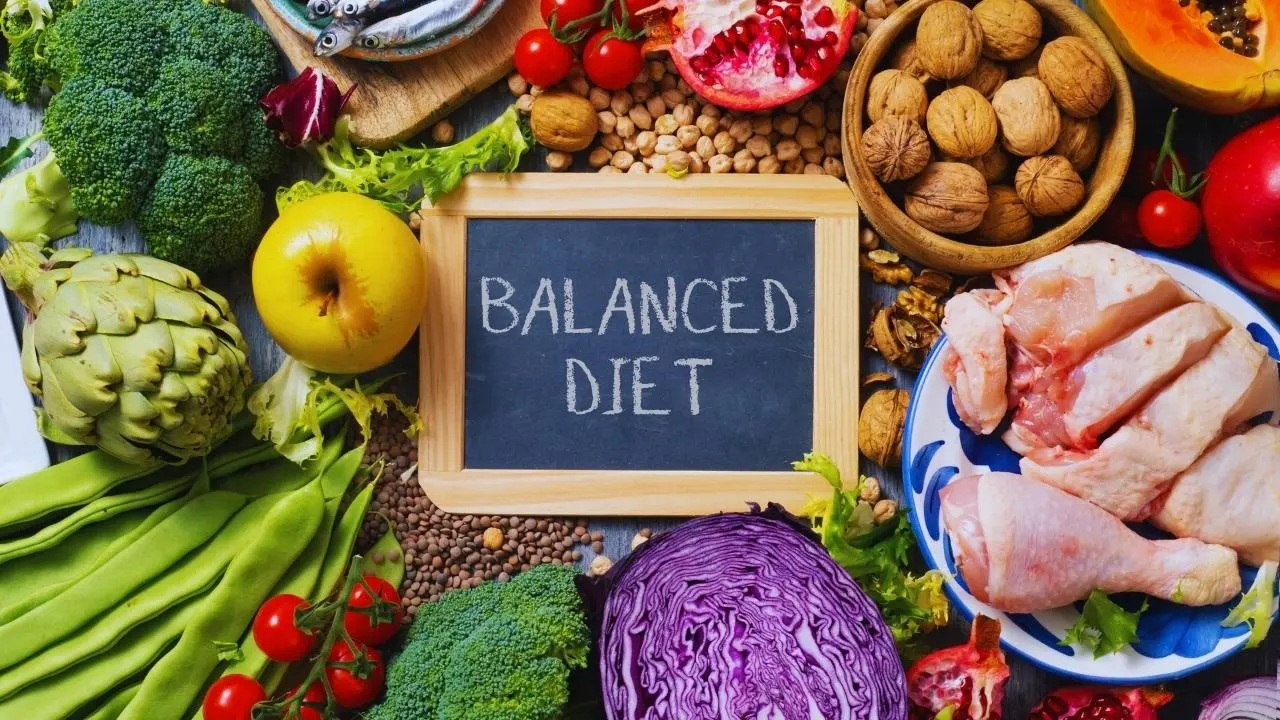
Global Eating Dynamics in 2026
The landscape of food culture has shifted significantly in 2026. Around the globe, people are stepping away from the traditional three meals a day and embracing flexible, intentional eating habits. Longer life expectancies, increasing work demands, and a growing fitness movement are prompting many to regard food as medicine rather than mere nourishment. Supermarkets and dining establishments are evolving to reflect this growing sentiment.
Notable themes are emerging worldwide. Protein is now celebrated as the focal point of many meals, overtaking carbohydrates in importance. What was once seen as an eccentric choice, plant-based dining, has moved into the mainstream. Fasting routines, historically rooted in religious practice, are now recognized as scientific strategies for weight management. This evolving global culinary scene resembles a vibrant marketplace where diverse tastes prevail.
In regions like Dubai and the Gulf, expatriates blend flavors from South Asia with Mediterranean influences. Meanwhile, colder climates in Europe have led to a greater prevalence of hearty soups and balanced meal options. North America remains a hub for culinary experimentation. These regional practices are part of a larger trend that illustrates the intersection of digital and real-life experiences around food.
The Rise of Intermittent Fasting
Motivations for Fasting
Intermittent fasting is garnering attention in 2026 due to its compatibility with hectic urban lifestyles. Many professionals opt to eat within an eight-hour timeframe, often avoiding late dinners. Experts emphasize that extended eating intervals can help the body utilize stored fat more effectively. This routine is accessible and requires no pricey ingredients, making it popular from the Gulf to Canada.
Popular Fasting Strategies
In Saudi Arabia and Oman, many find the fasting approach comfortable, having been exposed to similar practices through religion. However, a primary hurdle for newcomers is developing patience, as adaptations can initially bring discomfort.
Protein: The Universal Staple
Proteins' Rising Popularity
By 2026, protein is viewed as the essential commodity in the culinary world. Fitness centers in places like Dubai Media City and Silicon Valley advocate for eggs, fish, lentils, and protein shakes as foundational elements for physical development. Young individuals engaged in esports are increasingly focusing on protein-rich diets to enhance their endurance.
The Plant-Based vs. Animal Protein Discussion
The debate surrounding plant versus animal protein is akin to discussions on inflation versus growth in economic circles. In North America, red meat consumption has dipped by 2%, while popularity for lentils and chickpeas is on the rise. At the same time, Gulf markets are importing quinoa and soy in greater quantities.
Adopting Plant-Based Eating
Reasons Behind Plant-forward Choices
Growing concerns about the environment, air quality, and animal welfare are prompting an increasing number of families to opt for plant-forward diets. In Dubai, vegan festivals are blossoming, while European countries aim for plastic-free packaging solutions in their green food initiatives.
Popular Plant-Based Options
These trends indicate that households are viewing the adoption of plant-based options as a worthwhile commitment.
The Mediterranean Influence in the Gulf
The Legacy of Olive Oil
The Mediterranean diet continues its popularity in Europe and is increasingly being embraced in Dubai and Abu Dhabi for its emphasis on balanced meals, olive oil, seafood, and vegetables. Its non-mechanical approach makes it appealing to a broad audience.
Health Advantages
Keto Remains Popular
Low Carbohydrate Focus
The keto diet maintains its presence in North America as a platform for extreme culinary experimentation. Adherents embrace high-fat, low-carb dining options, analogous to the meditative silence during Mauni Amavasya.
Awareness Around Gluten-Free Eating
Educational Efforts
Schools in Qatar actively educate students about food allergies, as parents become vigilant in monitoring food labels. Premium bread products are seeing a shift towards rice alternatives.
The Impact of Detox Culture and Climate
Weather's Role in Dietary Choices
Unseasonably cool January in India had previously enhanced crop outcomes; similarly, winter in Europe has encouraged the popularity of warming soups. Fasting practices are increasingly preceded by periods of digital detachment.
Focusing on Women's Health and Dietary Needs
Trent-Inspired Menus
Contemporary menus designed for women highlight ingredients such as iron sources, copper vessels, and lentils.
Connecting Food to Mental Well-being
Importance of Sleep
Proper sleep fosters better immunity, while nutritious meals serve as a daily cornerstone.
Influence of Celebrities and Sports
Effect of Daniel Craig and Fitness Docuseries
Streaming platforms showcase docuseries on fitness, while influencers promote the benefits of embarking on peaceful digital journeys.
Investment in Meal Kits
Meal Kits as ETF-like Solutions
Meal kits that function similarly to exchange-traded funds provide diverse options and sponsorship opportunities for brands through influencers.
Challenges Ahead
Despite positive trends, the assessment of talent and competitive pressures remain concerns. Rising costs in various sectors could impact profit margins. Weather-related unpredictability affects planning, while the threat of cyber intrusions mirrors traditional attack strategies, necessitating better encryption and protection methods.
Future Watch: Trends to Monitor
These factors will play a significant role in shaping market trajectories, including gold prices and adoption of the metaverse. Investors should ensure diversified risk management strategies are in place.
Concluding Thoughts: Digital Advancement Meets Core Confidence
The metaverse in 2026 presents a blend of caution and optimism. Fluctuations among key political figures occasionally affect market sentiments, yet the commitment among creative forces helps maintain stability. Gold’s continued role as a hedge remains a solid anchor amid market uncertainties.
Disclaimer
This article serves informational purposes only and should not be construed as dietary or investment advice. The eating patterns referenced reflect ongoing global trends, and results may differ for individuals. It's always recommended to consult with professionals before making significant dietary changes.