Republicans and Democrats in the U.S. Senate have reached an agreement to move forward with a package of five federal funding bills, while setting aside a sixth bill that would have funded the Department of Homeland Security (DHS). The decision followed days of tense negotiations sparked by public outrage over recent fatal shootings by federal immigration officers in Minneapolis and growing pressure from lawmakers to overhaul immigration enforcement practices.
The bipartisan deal approves funding for major federal agencies — including the Defense Department, Health and Human Services, the Treasury, and the federal court system — through the end of the 2026 fiscal year, which ends on 30 September. A sixth bill covering DHS was intentionally removed from the package and will instead receive a two-week extension at current funding levels while lawmakers attempt to negotiate new rules and oversight requirements. News first reported the agreement, which President Donald Trump later endorsed publicly, urging Congress to give the package a bipartisan “YES” vote.
The decision to separate DHS funding comes amid escalating scrutiny of the department following two fatal shootings by federal agents in Minneapolis: the January 7 killing of Renee Good by an ICE agent, and the January 24 killing of Alex Pretti by a Border Patrol officer. The incidents, tied to the Trump administration’s aggressive immigration crackdown in Minnesota, triggered widespread protests and a surge of criticism from Democratic lawmakers — and even some Republicans — who argued that DHS should not receive additional funding without new accountability measures.
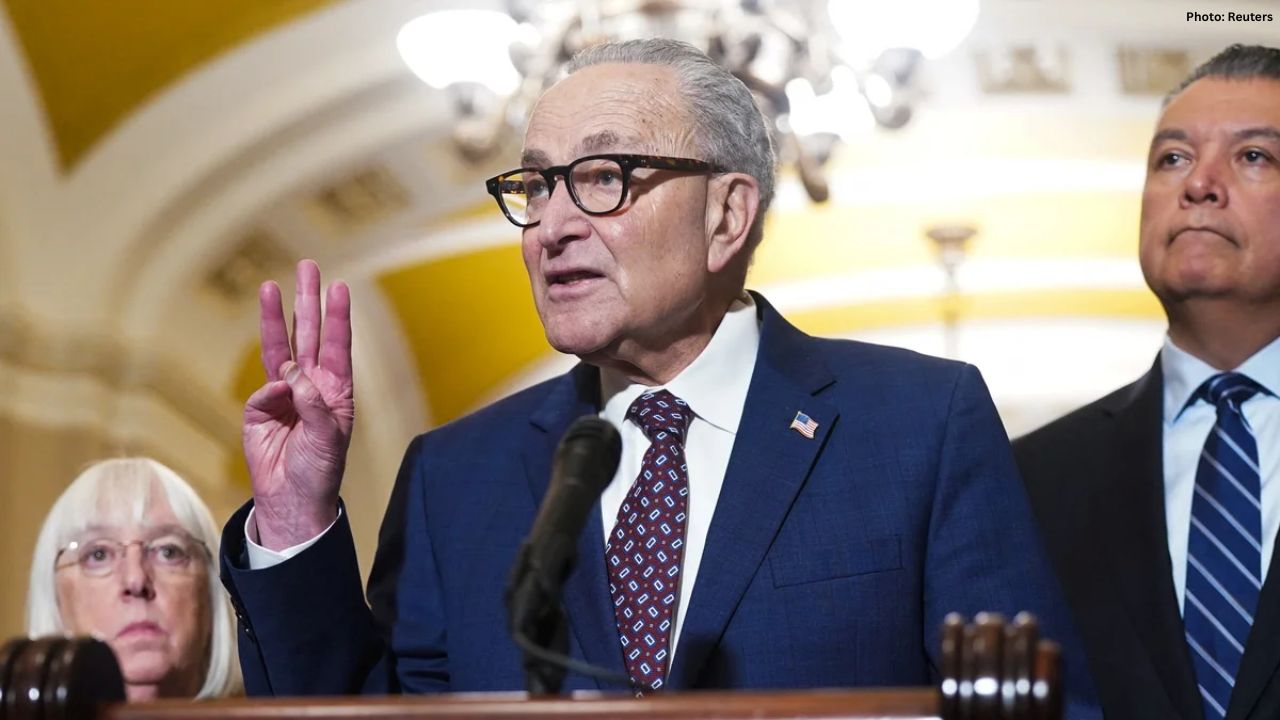
Democrats have demanded reforms that include requiring federal agents to obtain warrants before conducting arrests, and clearer standards for how ICE and CBP identify themselves during operations. On Wednesday, several Senate Democrats escalated their demands by calling for the removal of DHS Secretary Kristi Noem and for structural changes to both ICE and CBP. Senate Majority Leader Chuck Schumer accused the department of fostering fear, saying: “This madness, this terror must stop.”
Some Republicans pushed back, warning that prolonged disagreement risked triggering a government shutdown. Senator John Cornyn of Texas insisted that any changes “must not come at the expense of shutting down the government.” Earlier on Thursday, a procedural vote to advance the full six-bill package failed 45–55, with all Democrats and eight Republicans voting no — the latter citing concerns about excessive spending.
Because the Senate removed the DHS bill from the package, the modified funding bundle must now be reconsidered by the House of Representatives, which is not scheduled to reconvene until Monday. This delay means that some federal funding could technically lapse over the weekend, though officials expect minimal impact since most government services operate on reduced schedules.
Any lapse would be considered a partial government shutdown, as many agencies have already been funded through separate legislation. Essential workers in affected departments — including DHS — would continue to work but would not be paid until funding is restored, unless alternative arrangements are made.
The last U.S. government shutdown lasted 43 days, from 1 October to 12 November of the previous year, marking the longest in American history. That shutdown left 1.4 million federal employees furloughed or working without pay, disrupted air travel, and delayed critical aid programs. Lawmakers on both sides have expressed a desire to avoid a repeat, but the debate over DHS oversight and immigration enforcement remains a major flashpoint in the current negotiations.