A Generation Facing Economic Challenges
For today’s learners, the journey towards a career is no longer straightforward. The landscape they will enter shifts more rapidly than their educational materials can reflect. Reports of layoffs, mechanization, and job cuts are now dominating the news cycle, overshadowing tales of job security and long-term company loyalty. Consequently, youth are approaching their studies with urgency and strategic foresight rather than unfounded optimism.
Students are increasingly questioning the relevance of their degrees upon graduation. This uncertainty transcends academia, influencing family discussions, financial choices, and lifelong aspirations. Parents once convinced that excellent grades would ensure a prosperous future now harbor quiet apprehensions. This prevailing tension is sensed by students who adjust their educational paths accordingly.
This generation isn’t wavering due to indecisiveness, but rather due to the dynamic and uncertain world surrounding them.
Scholarships as Strategic Resources
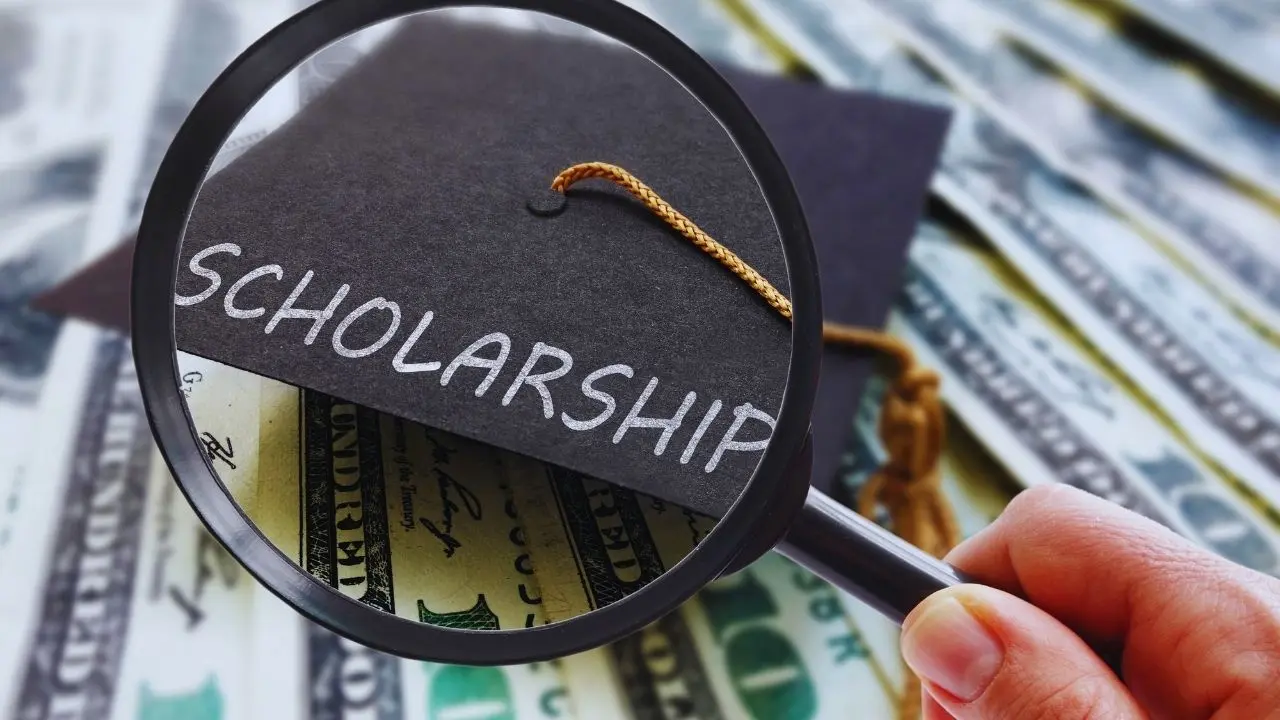
In the past, scholarships were seen as rewards for high achievers or forms of financial aid for the underprivileged. Today, they are perceived as essential tools in navigating the rising costs of education amid stagnating household incomes. Students now view scholarships as financial shields rather than mere accolades.
Young people are proactively scouting global funding opportunities, merit scholarships, need-based assistance, and regional educational initiatives. They recognize that debt-free education grants them the flexibility to explore various career paths, switch professions, or even launch startups without the burden of heavy loans. A financially supported student enters the job market with more freedom compared to one laden with debt.
Beyond financial support, scholarships provide validation. They connect students with institutions, alumni networks, and mentors who can significantly influence their professional journeys.
The Primacy of Skills over Syllabi
While degrees still hold value, it is the skills that determine career durability.
Today’s employers seek more than good grades; they demand demonstrable skills. From coding portfolios to freelancing projects, practical work now rivals traditional credentials.
Students are responding by stepping outside the confines of their classrooms. Online courses, tutorial videos, new software, and digital communities are becoming integral to their education. Many students are acquiring vital skills such as foreign languages, advanced computing, financial literacy, and business analytics alongside their degree studies.
This shift isn't solely a failure of educational institutions; it’s a product of the rapid transformation in industry demands, where a syllabus designed today may be outdated tomorrow.
Those who wait for formal education to deliver solutions often find themselves lagging behind. Conversely, proactive learners feel more empowered and prepared.
Side Hustles as Career Buffers
The concept of a single steady job is increasingly becoming a relic. Students are realizing that a sole income source may put them at risk, persuading them to redefine their leisure time.
Activities such as photography, graphic design, tutoring, content creation, social media management, and coding are not just hobbies; they’re recognized as entrepreneurial ventures. Students can attend classes during the day and edit videos at night, blending their academic and business lives.
These side jobs impart invaluable skills that extend beyond monetary gains—time management, client relations, and self-promotion are now essential components of their education. Navigating a small business instills problem-solving abilities impossible to replicate in traditional classroom settings.
Moreover, supplemental income enhances confidence. When students generate revenue independently, they feel less beholden to conventional job prospects.
Global Experience as a Key Asset
Students are no longer limiting themselves to local opportunities. Many see international education and remote jobs as viable options rather than mere dreams. They eagerly pursue overseas certifications, student exchange programs, internships abroad, and global research experiences.
The internet has leveled the playing field. A student in a remote area can collaborate with firms hundreds of miles away. National borders no longer confine their professional aspirations.
This shift in outlook is transformative. Students now perceive themselves as global competitors rather than local contenders. This belief drives them to enhance their skills, learn quickly, and formulate effective plans.
Changing Paradigms in Parental Guidance
Previous generations often adhered to societal norms without question—professions like medicine, engineering, law, and public service were preferred. While many parents today still nurture these dreams, they are gradually becoming more receptive.
Having witnessed industry instability and job losses among friends, many parents now endorse skill-focused education in tandem with traditional degrees. They may not fully grasp all digital careers, but they recognize capability when they see it. A child who can create, communicate, or market themselves feels more secure than one who waits for an annual placement.
This generational evolution fosters courage in children to make more nuanced decisions.
Competition Extends Beyond Academics
Students today are vying for attention not just within classrooms but across social media platforms, freelancing gigs, startups, and professional communities.
This competitive atmosphere can feel intense.
Everywhere, there are stories of success: someone launching a startup, another freelancing globally, and others obtaining grants.
Yet behind this façade often lies a layer of insecurity. Students easily feel inadequate, compounded by constant comparisons. Burnout is becoming normal.
Yet, such a competitive landscape fosters resilience. Students develop the ability to adapt, confront failures early, and cultivate self-sufficiency.
In a tough job market, these skills become invaluable.
A Shift in Educational Perspective
Today’s youth often pursue education not only out of a passion for learning but as a necessary defense mechanism. Education is viewed as a form of security, not just personal growth.
They gravitate towards studies that offer versatility, steering clear of paths with restricted options. Practical considerations regarding salary levels and job placement rates take precedence over romantic ideals.
While passion still exists, it is now complemented by a solid plan.
Visions for the future haven’t vanished; they’ve simply matured.
Institutional Shortcomings Still Persist
Despite these changes, many educational institutions struggle to keep pace. Curriculums remain outdated, internship opportunities are scarce, and skill acquisition is often sidelined.
Students frequently find themselves self-educating in areas their colleges overlook.
This disparity frustrates students who realize too late that years of investment yielded little practical expertise.
Colleges that focus on career readiness, soft skills, and technological training are exceptions rather than the rule.
The schism between education and employment continues to be a significant hurdle.
A Hidden Emotional Toll
Beneath the surface of ambition lies a pervasive anxiety.
Students grapple with worries about failing, financial stability, and expectations. They navigate family pressures, societal scrutiny, and personal doubts.
While side hustles provide financial relief, they can be mentally draining. Scholarships ease financial burdens but can heighten performance anxiety. Skill development often eats into their downtime.
Students rarely appear untroubled; they seem relentlessly productive.
There's a distinction between the two.
The job market might reward a few, but it also creates a generation of exhausted youth.
It's vital that mental health support evolves as swiftly as career strategies.
A Resilient Generation
Despite the challenges, this generation is not frail.
It’s adaptable.
It learns swiftly.
It transitions careers with confidence.
It builds independently.
It generates early income.
It has a global perspective.
Today’s struggles may be daunting, but this generation is quietly constructing opportunities that previous generations didn’t have—the luxury of options.
When one door closes, they seek out windows.
A Call to Action: Students Are Empowered
Young people are no longer waiting for governments to resolve employment issues.
They assume responsibility for their future.
They pursue funding opportunities.
They engage in self-directed learning.
They innovate earnestly.
They envision a global landscape.
The volatile job market hasn’t immobilized them.
Instead, it has honed their skills.
Insecurity has morphed from a weakness into a powerful motivator.
DISCLAIMER
This article serves as a general overview and educational reference. It does not substitute for professional academic, financial, or career advice. Both students and parents should consult certified professionals and established educational entities when making critical decisions.